
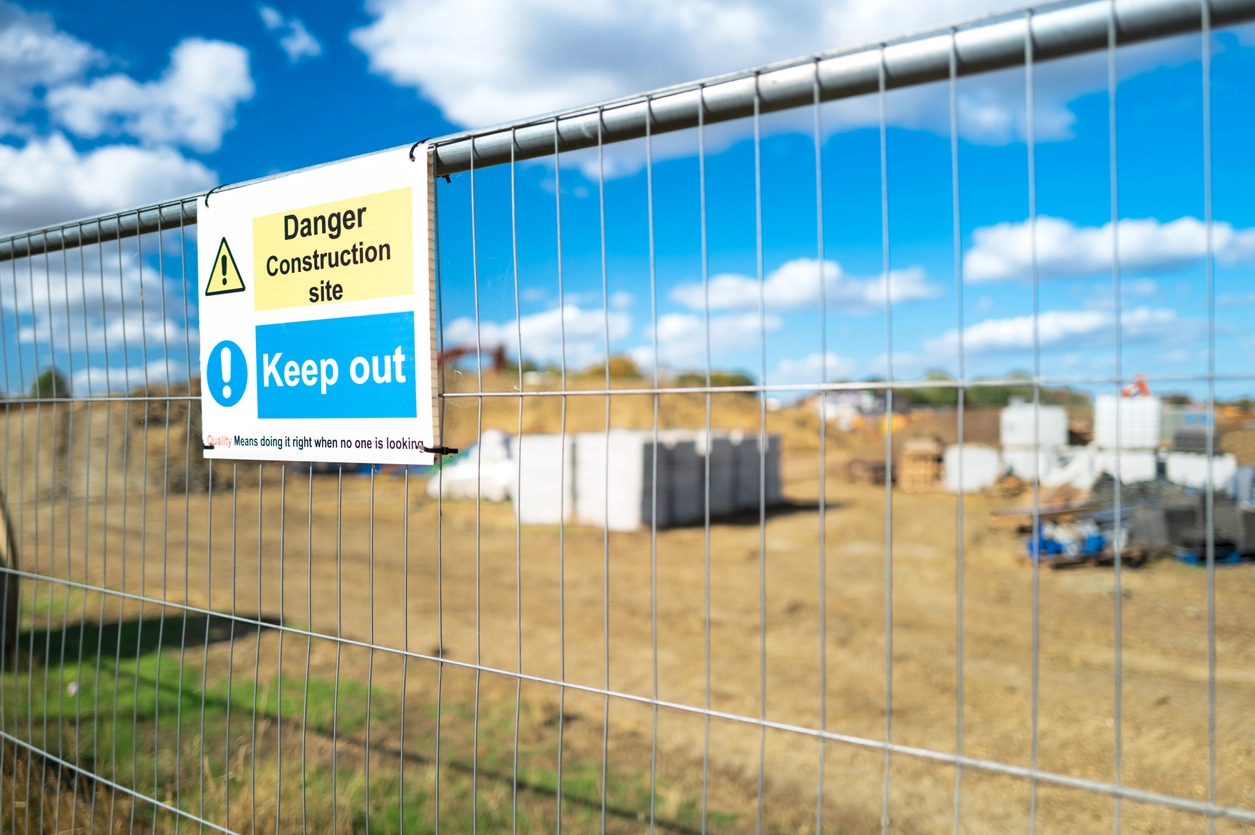
Tool Storage and Material Area Monitoring
Monitor tool containers, storage trailers, material laydown zones, and other theft-prone jobsite areas where asset loss can disrupt the project.
Construction Site Security Cameras & Remote Jobsite Surveillance
Camera Security Now helps construction companies, project managers, and site supervisors evaluate security camera systems for tool storage, machinery staging, theft deterrence, wireless jobsite coverage, and remote site visibility.
Construction sites often need surveillance because they combine expensive tools, valuable materials, heavy equipment, changing site layouts, temporary operations, and long periods when no one is onsite.
That makes construction site surveillance different from a fixed warehouse or office project. Many jobsites need visibility around tool storage areas, machinery staging zones, gates, temporary offices, and the outdoor spaces where activity continues to shift as the project moves forward.
Camera Security Now helps construction buyers evaluate surveillance systems that fit the realities of temporary jobsites, remote monitoring needs, wireless networking challenges, and after-hours security concerns.
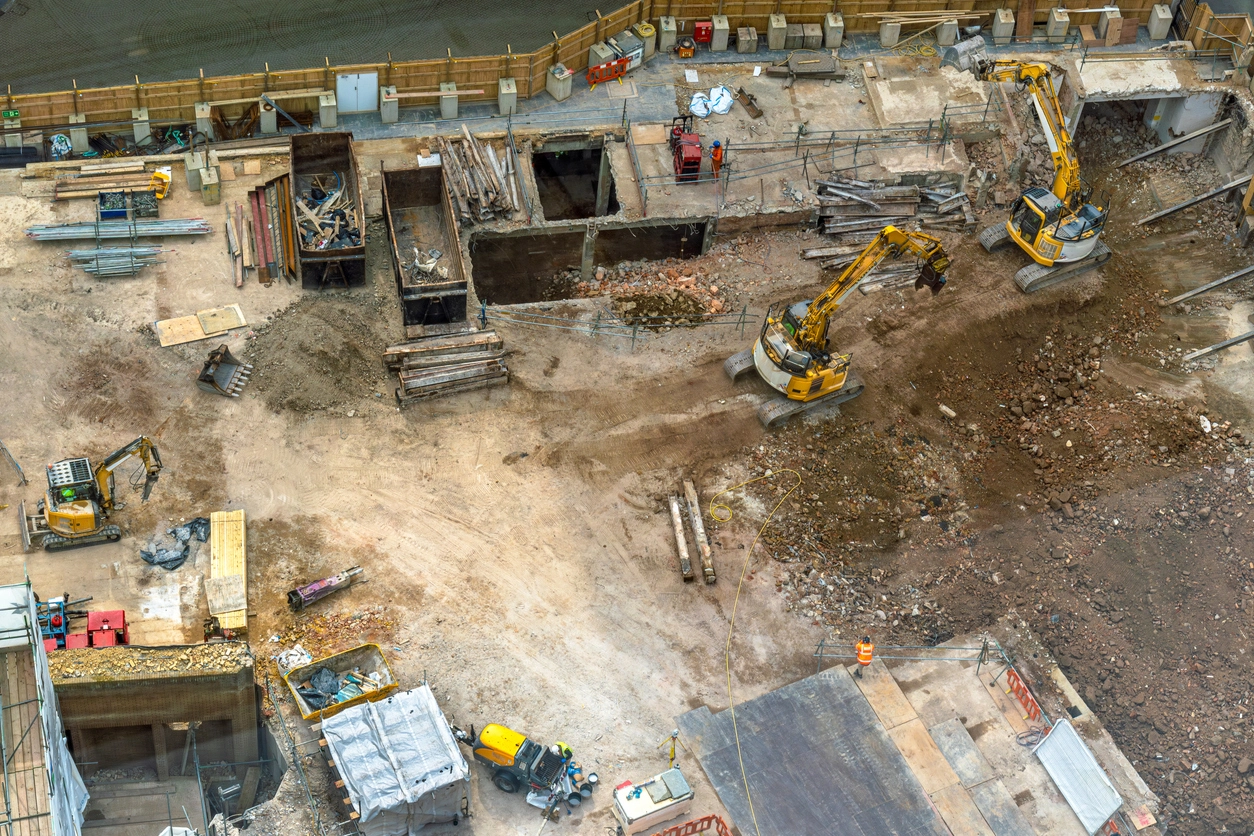
Construction surveillance projects often center on theft deterrence, equipment visibility, remote oversight, and better coverage of temporary outdoor operations.
Jobsites often need stronger visibility around tool storage, material laydown areas, and other theft-prone zones.
Supervisors and owners often want to view the site from offsite locations, especially after hours.
Large or evolving jobsites often need more flexible coverage planning than permanent buildings do.
Construction surveillance works best when the system reflects the theft risks, equipment exposure, and temporary layout realities of the site.
Monitor tool containers, storage trailers, material laydown zones, and other theft-prone jobsite areas where asset loss can disrupt the project.
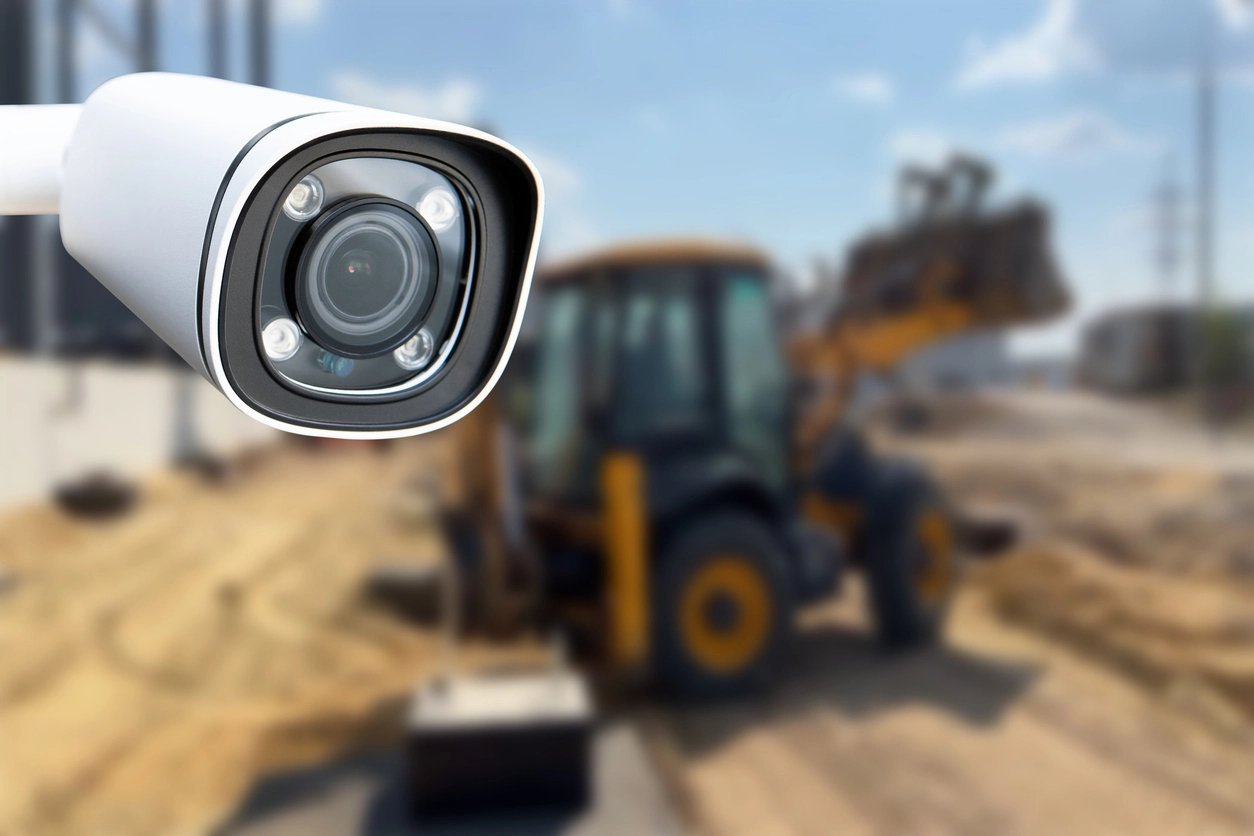
Construction sites often need stronger coverage around equipment staging, heavy machinery parking, and high-value operational zones.
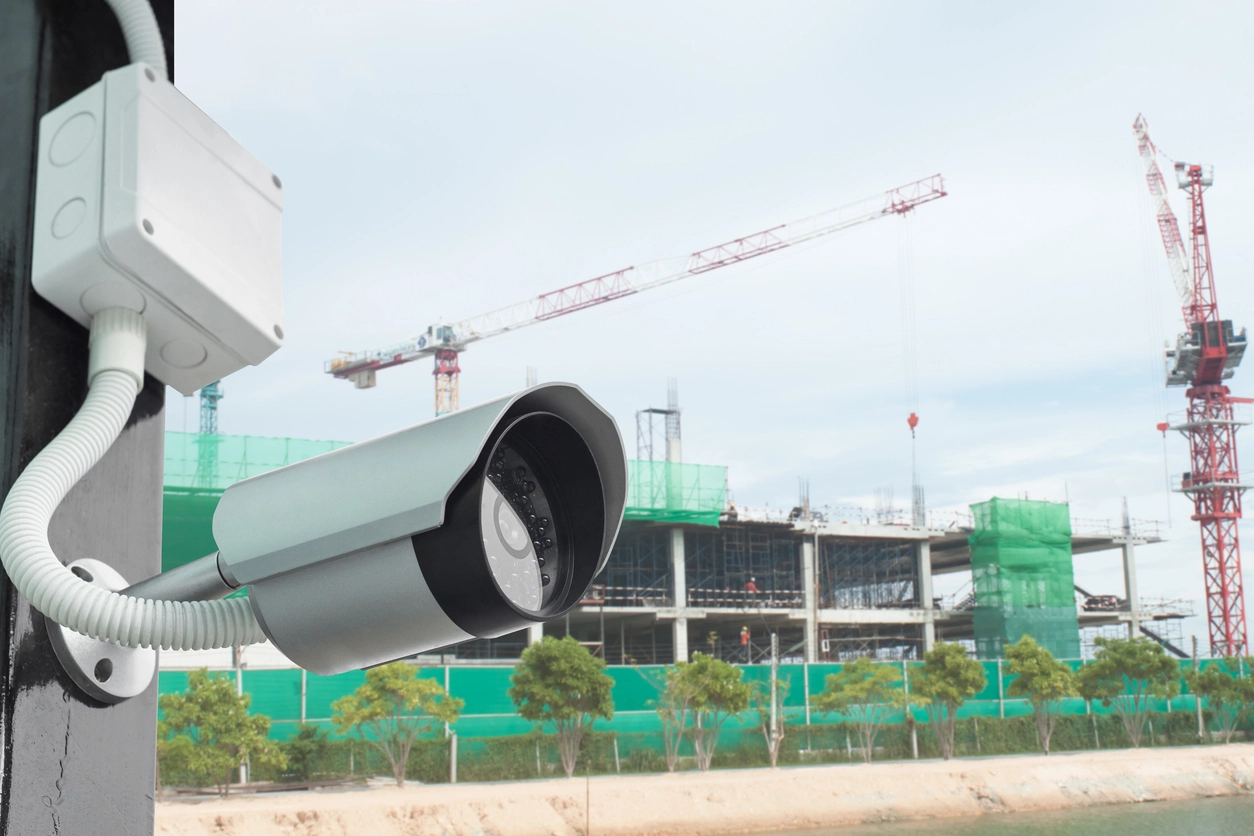
Remote viewing can help project managers, owners, and supervisors monitor site conditions, deliveries, and after-hours activity from offsite locations.
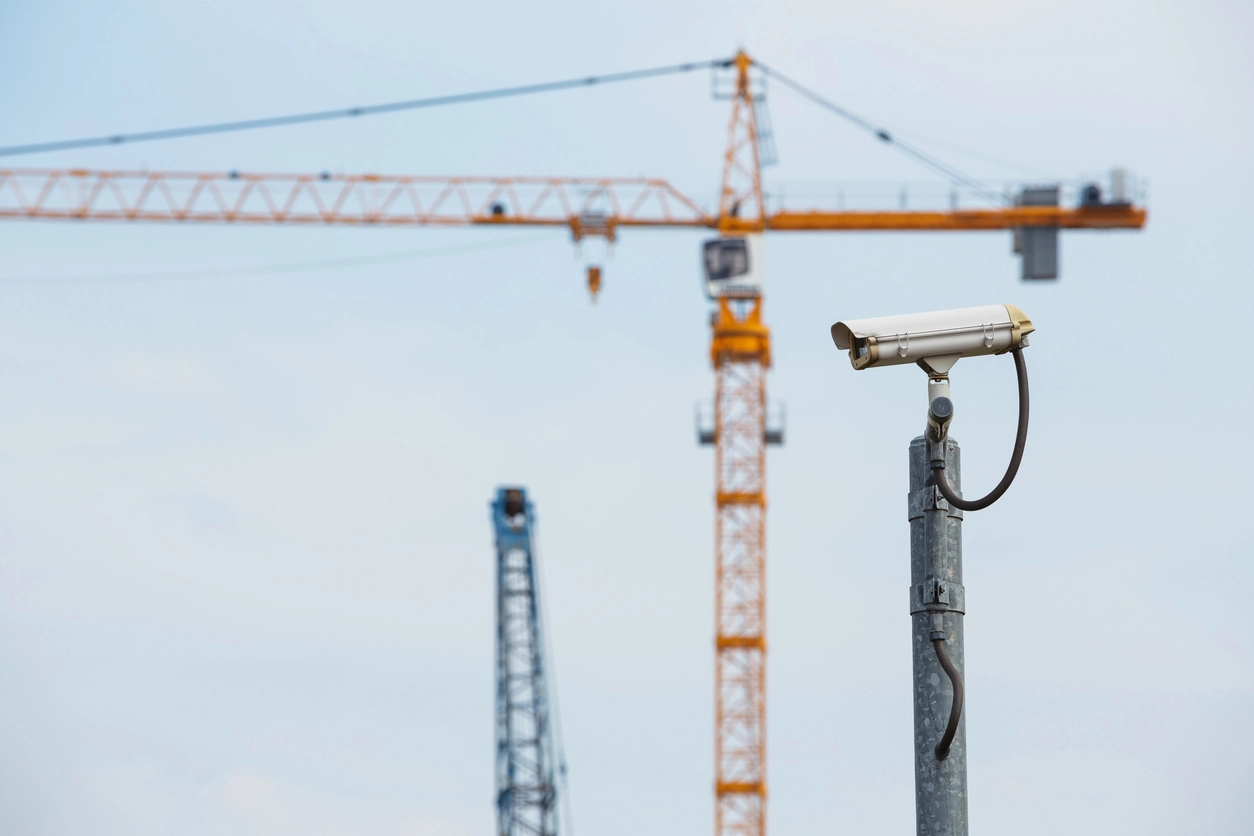
Many construction projects need wireless links or other network extensions to bring coverage to temporary offices, gates, and distant jobsite areas.
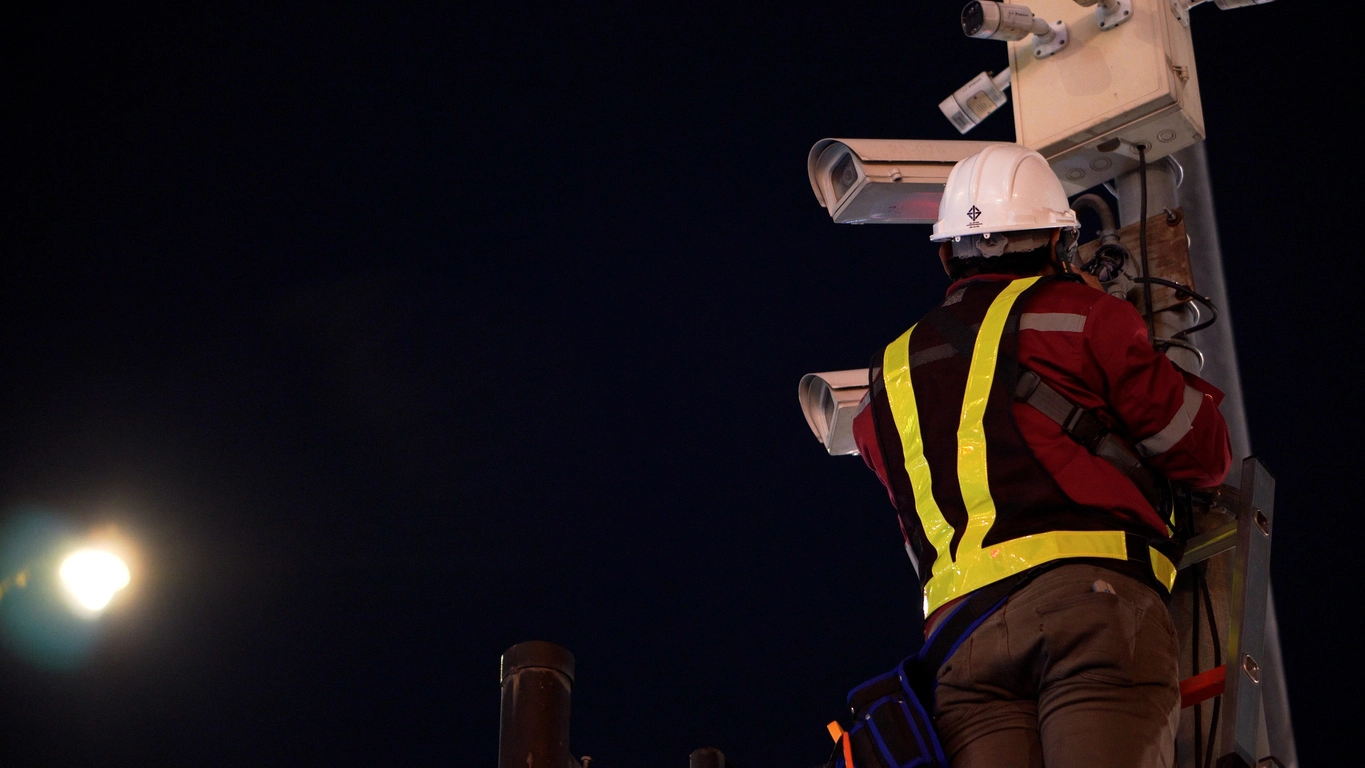
Construction sites are often vulnerable after hours, making exterior visibility, gate monitoring, and recorded review especially important.
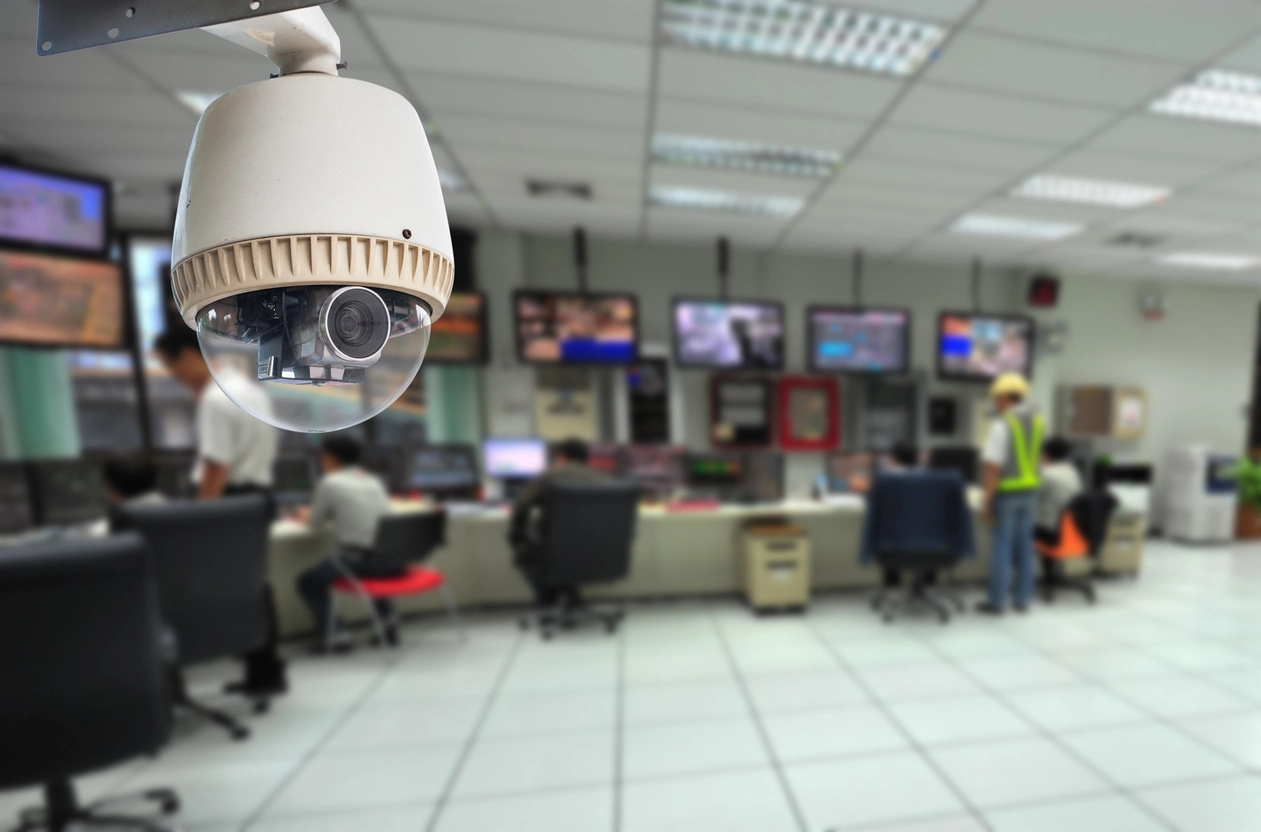
Some projects want longer storage windows so incidents, deliveries, losses, or disputes can be reviewed later when questions arise.
Construction site surveillance projects often require more planning than just placing a few outdoor cameras around the perimeter.
Share the type of project, the areas that matter most, and the security or monitoring issues you are trying to solve.
We help you think through wireless coverage, tool storage, machinery visibility, remote viewing, and after-hours monitoring priorities.
You get a clearer path forward instead of guessing through a temporary jobsite surveillance project.
When ready, we help align the project toward implementation and practical construction site visibility planning.
Construction surveillance is most relevant where temporary operations, outdoor exposure, theft risk, and remote oversight all shape the daily environment.
Large commercial jobsites often need visibility around tools, equipment, access points, and ongoing site activity.
Road, utility, and infrastructure projects may need broader visibility across outdoor temporary work areas and mobile operations.
Sites with long distances, limited infrastructure, or multiple work zones often need more deliberate camera and networking planning.
Projects with frequent material deliveries, expensive tools, or parked machinery often place extra value on after-hours monitoring.
Project leaders often want remote visibility so they can review site activity without always being physically present.
Construction surveillance often needs to adapt as the site evolves, materials move, and operational priorities shift.
Construction surveillance works best when the system reflects the changing layout, wireless realities, and asset-protection priorities of the jobsite.
A construction site does not have the same surveillance priorities as a warehouse, car dealership, or apartment property. Construction surveillance is more likely to center on tools, materials, machinery staging, gate visibility, temporary site layout, remote viewing, and after-hours theft exposure.
For construction companies and project managers, the right camera system should be planned around the way the jobsite changes over time. Tool storage, material deliveries, equipment staging, gate access, temporary trailers, and outdoor work zones may all need coverage as the project moves from one phase to the next.
Camera Security Now helps construction buyers evaluate surveillance systems for tools, staging areas, remote monitoring, wireless coverage, long-term video storage, and broader jobsite security planning.
Common questions from construction companies and site managers evaluating security cameras and remote jobsite surveillance.
Many construction site camera projects focus on tool storage, machinery staging, gates, temporary offices, material laydown zones, and other theft-prone or operationally important areas. The right layout depends on the site footprint and the risks being addressed.
Yes. Many construction surveillance systems support remote viewing so supervisors, owners, and managers can monitor the site from phones, tablets, or computers.
Some do. Temporary sites and large outdoor jobsites often need wireless links or other network extensions to cover areas where cabling is difficult or impractical.
They can help by improving visibility around tools, materials, gates, and equipment areas, while also providing recorded video for review if something goes missing.
Construction site surveillance is more focused on temporary outdoor jobsites, evolving layouts, tools, materials, machinery staging, remote monitoring, and wireless coverage needs rather than permanent indoor storage and dock workflows.
Tell us about your jobsite, your high-risk areas, and the visibility goals you are trying to achieve. We’ll help you move toward the right construction surveillance solution.