
Long-Term Video Retention
Some public-sector environments need longer retention windows for investigations, accountability, policy review, or evidence support.
Government Security Cameras & Public-Sector Surveillance
Camera Security Now helps government agencies and public-sector organizations evaluate commercial security camera systems for municipal buildings, public-facing facilities, controlled environments, and broader operational visibility.
Government facilities often require security cameras for reasons that go far beyond basic observation. Public buildings, dispatch centers, courts, city parks, public works sites, transportation facilities, and controlled areas all have different visibility requirements, security priorities, and operating conditions.
A strong surveillance strategy can help public-sector teams monitor entrances, parking lots, building exteriors, public areas, staff-only spaces, controlled access points, and infrastructure locations where visibility, accountability, and incident review matter.
Camera Security Now helps government buyers evaluate surveillance systems that reflect the real environment, the mission of the facility, and the long-term operational goals of the organization.
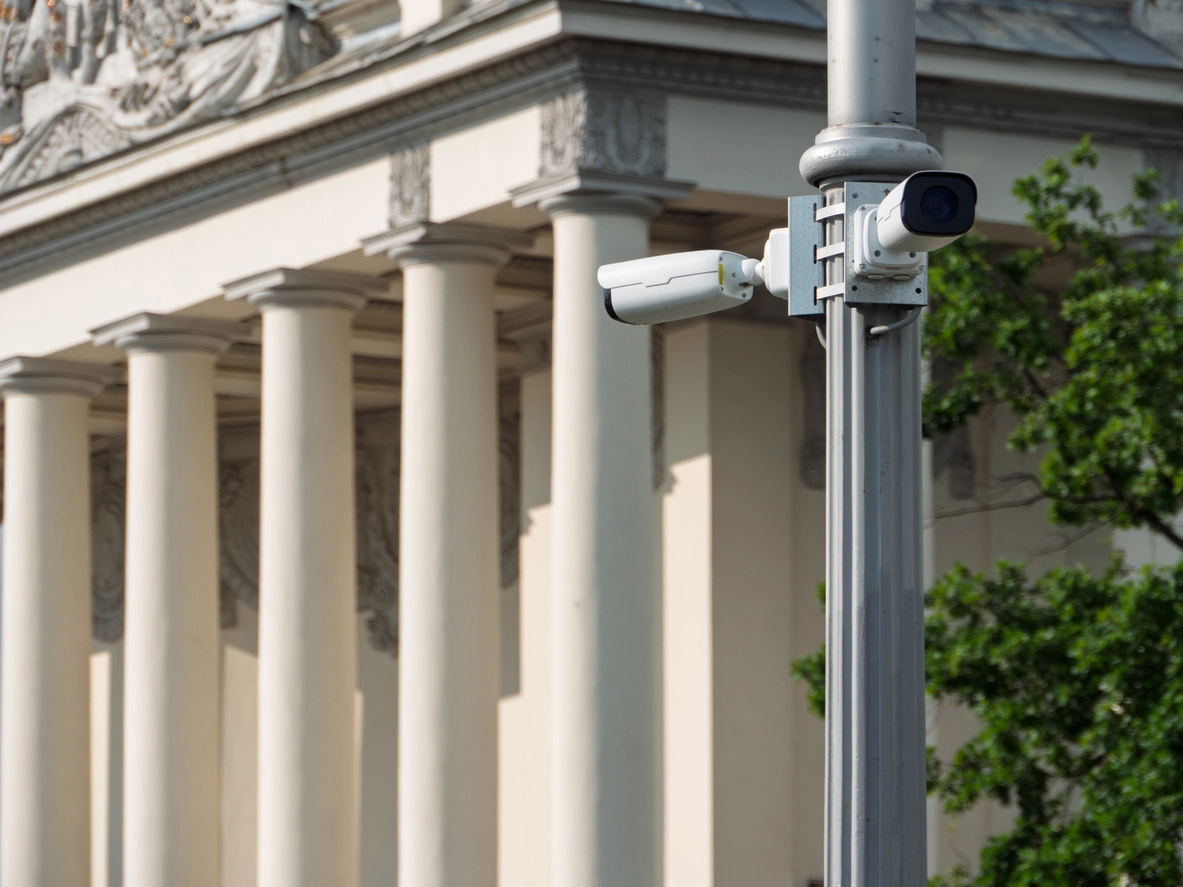
Public-sector surveillance projects often need to balance visibility, accountability, safety, and facility-specific operational requirements.
Improve coverage across entrances, lobbies, halls, public counters, exterior approaches, parking areas, and gathering spaces where activity may need to be reviewed.
Support visibility in staff-only spaces, restricted doors, holding areas, infrastructure zones, and security-sensitive environments.
Use recorded video to verify events, support investigations, review interactions, and maintain better operational awareness across facilities.
Different government environments require different camera placement, retention, access, monitoring, and operational planning priorities.

Security camera systems for 911 dispatch centers help support controlled access visibility, staff movement review, and operational continuity in emergency communications environments.
View Dispatch Center Surveillance →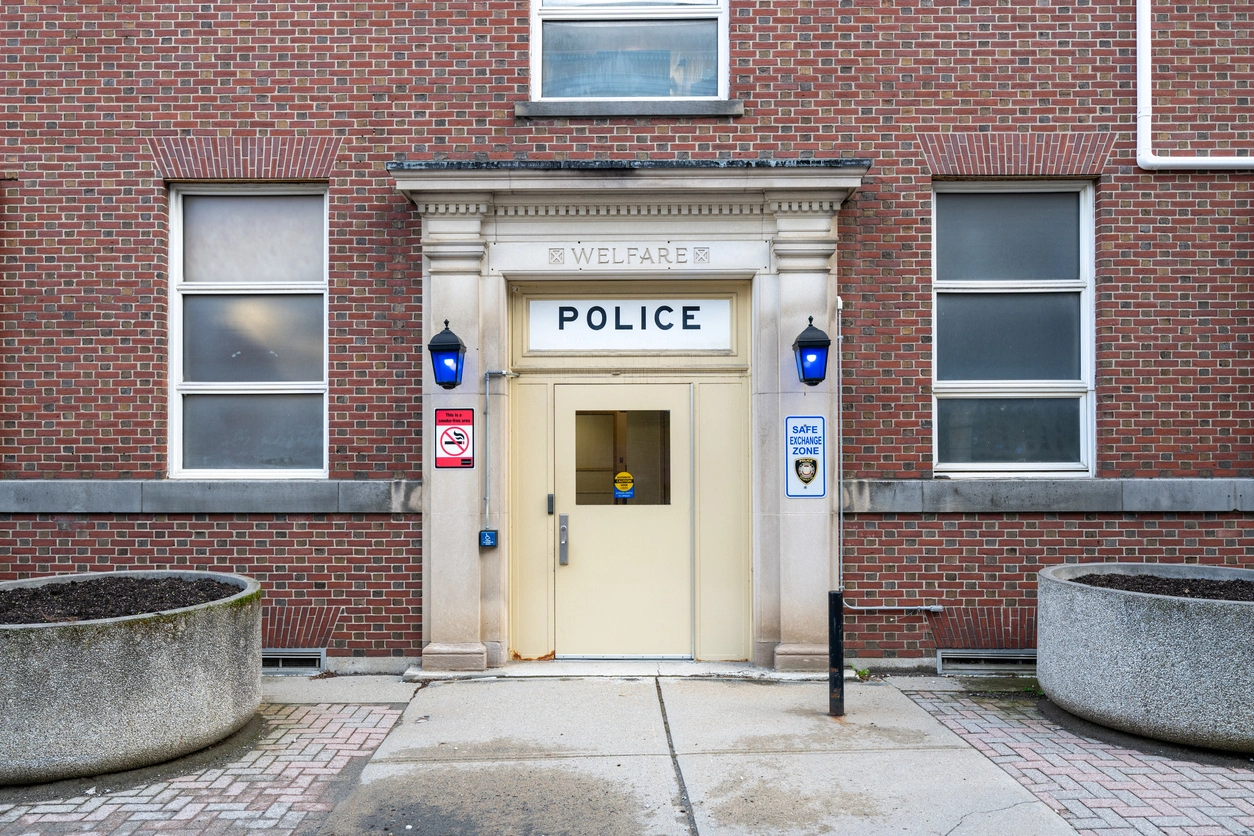
Police department security camera systems can help monitor entrances, public counters, parking areas, evidence-adjacent spaces, and other departmental zones where visibility and review are important.
View Police Department Surveillance →
Fire department surveillance systems can improve visibility around apparatus bays, facility access points, shared spaces, building exteriors, and operational zones.
View Fire Department Surveillance →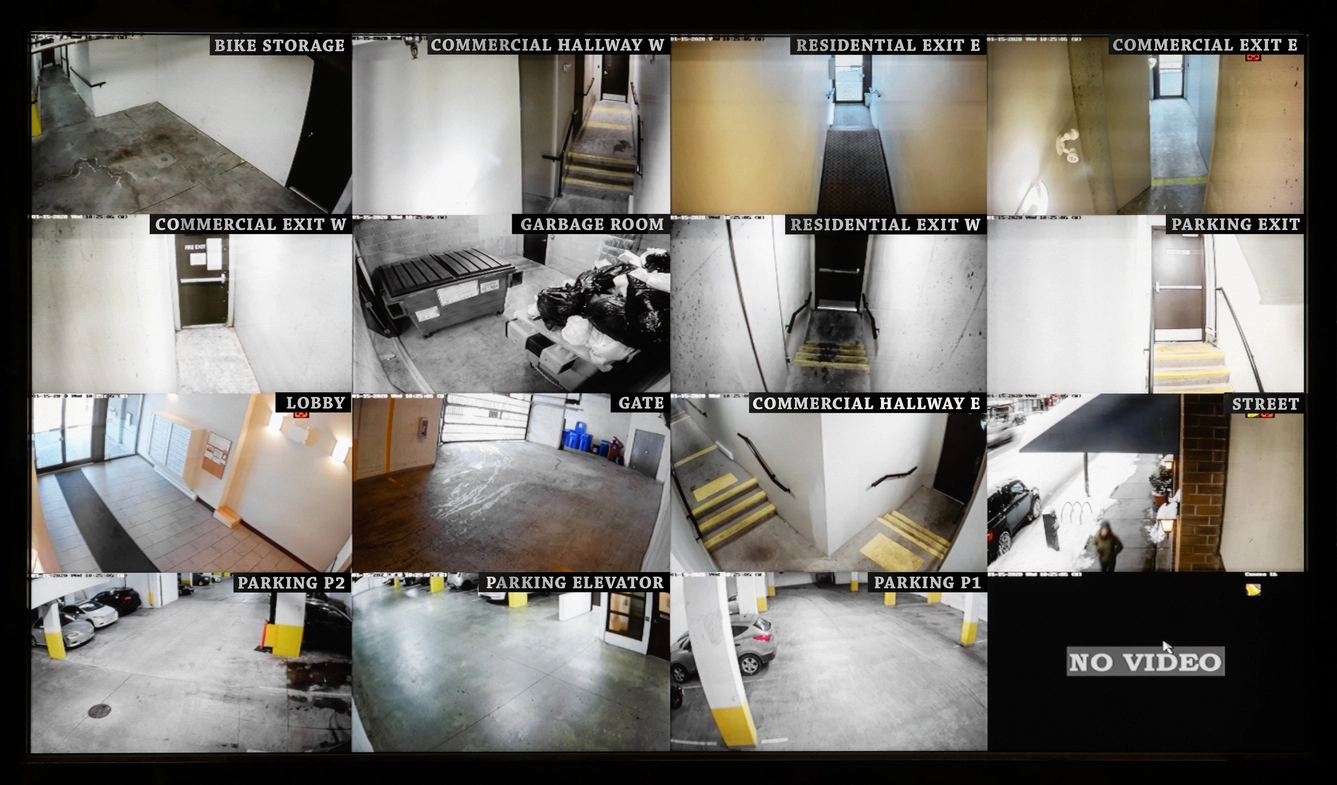
Correctional surveillance systems help support controlled monitoring needs in jail cells, detention areas, holding environments, and other secure public-sector spaces.
View Correctional Surveillance →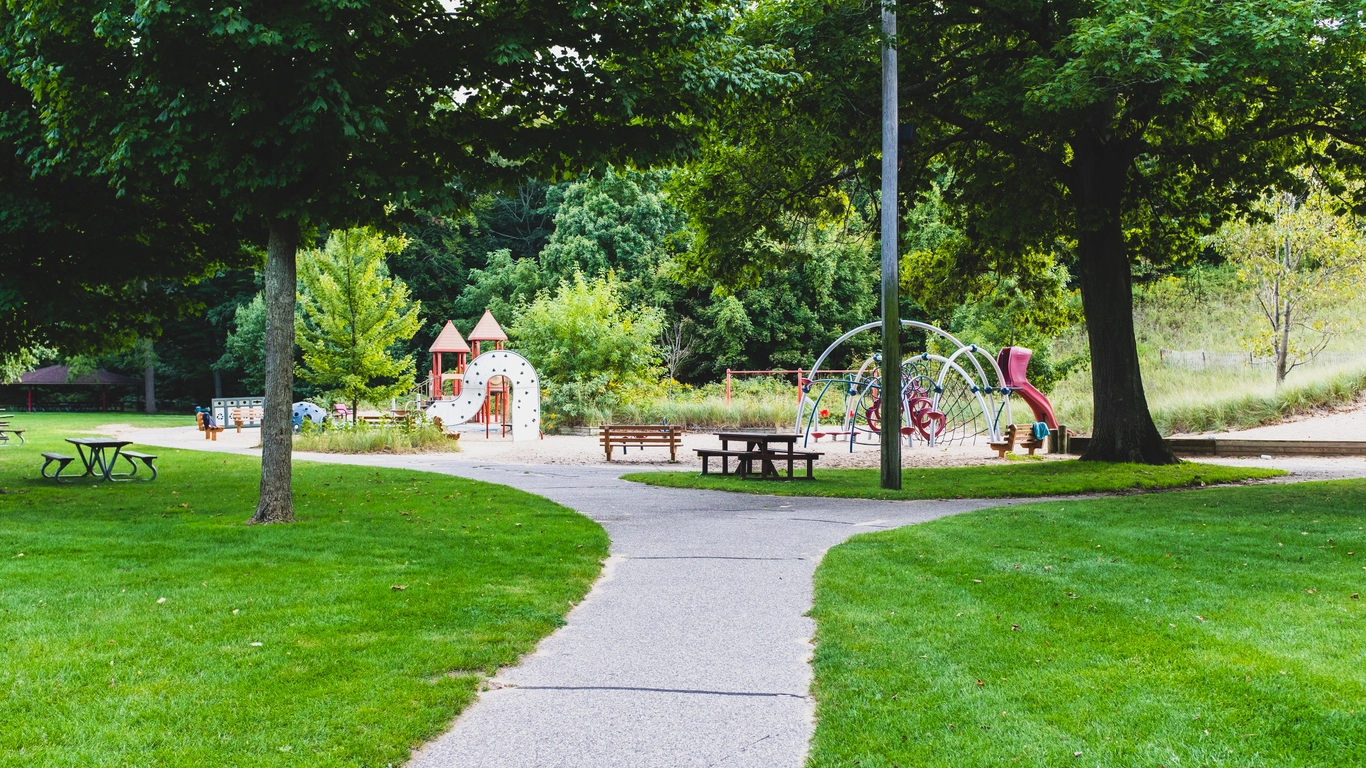
City park surveillance systems can extend visibility to outdoor recreation spaces, paths, entrances, parking areas, and gathering zones where after-hours review may matter.
View City Park Surveillance →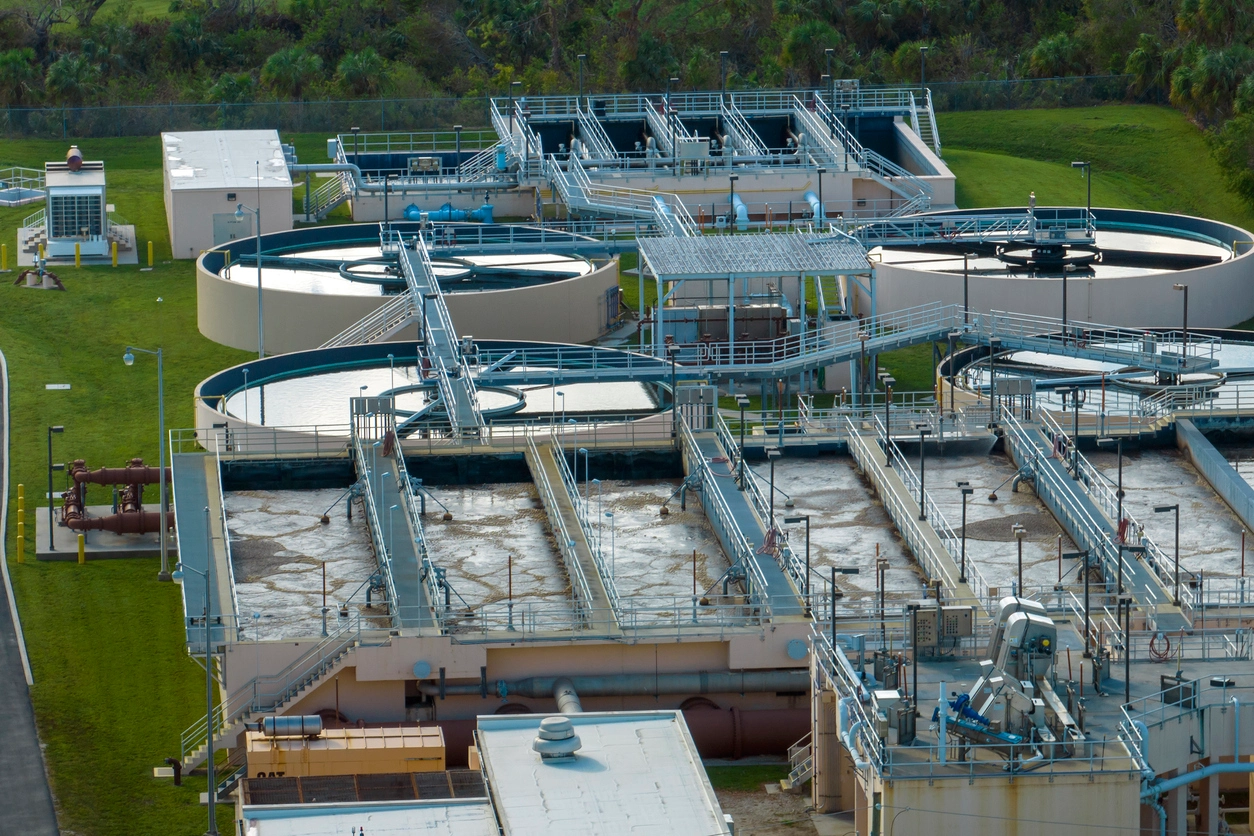
Water treatment facility security cameras can help monitor facility access, perimeters, outdoor work zones, equipment areas, and other infrastructure-critical environments.
View Infrastructure Surveillance →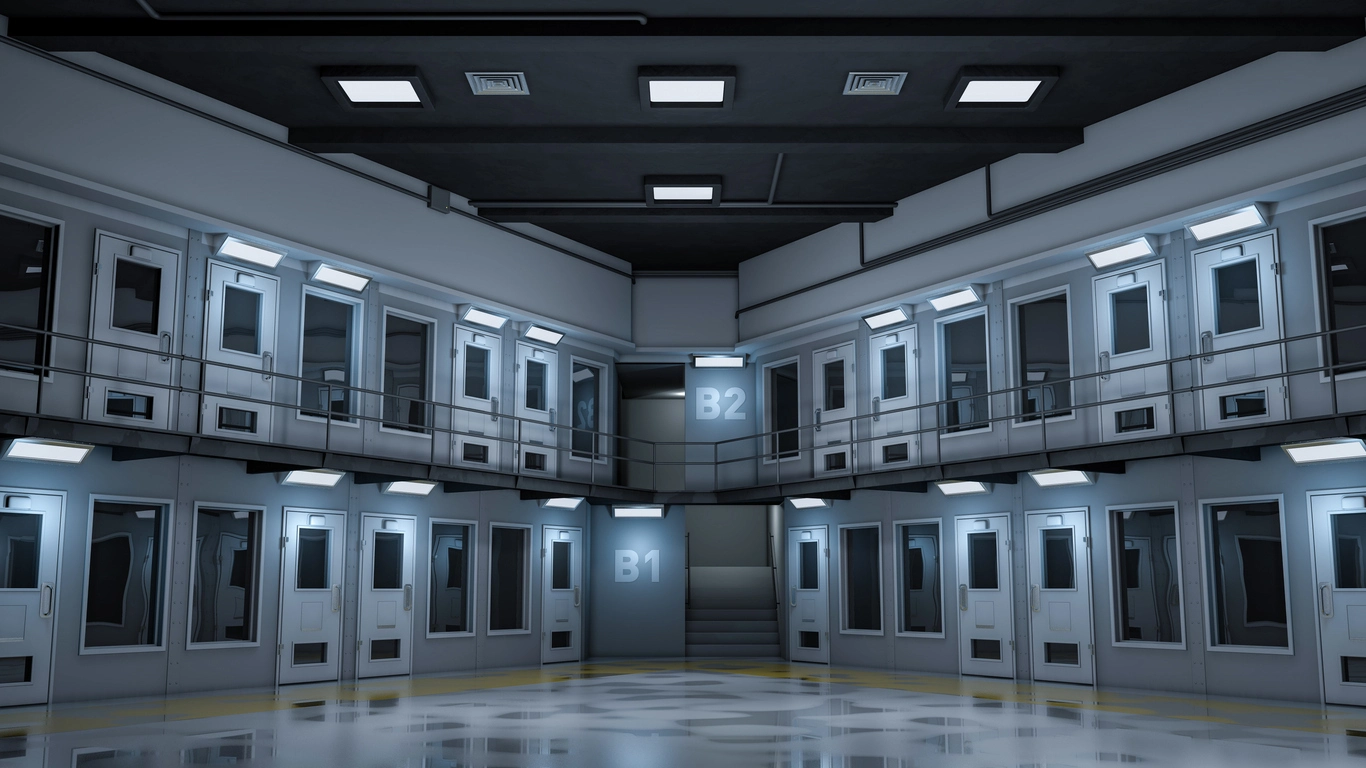
Security camera systems for correctional and institutional facilities can help monitor controlled areas, staff-only spaces, facility access points, corridors, and other secure public-sector environments.
View Correctional Institution Surveillance →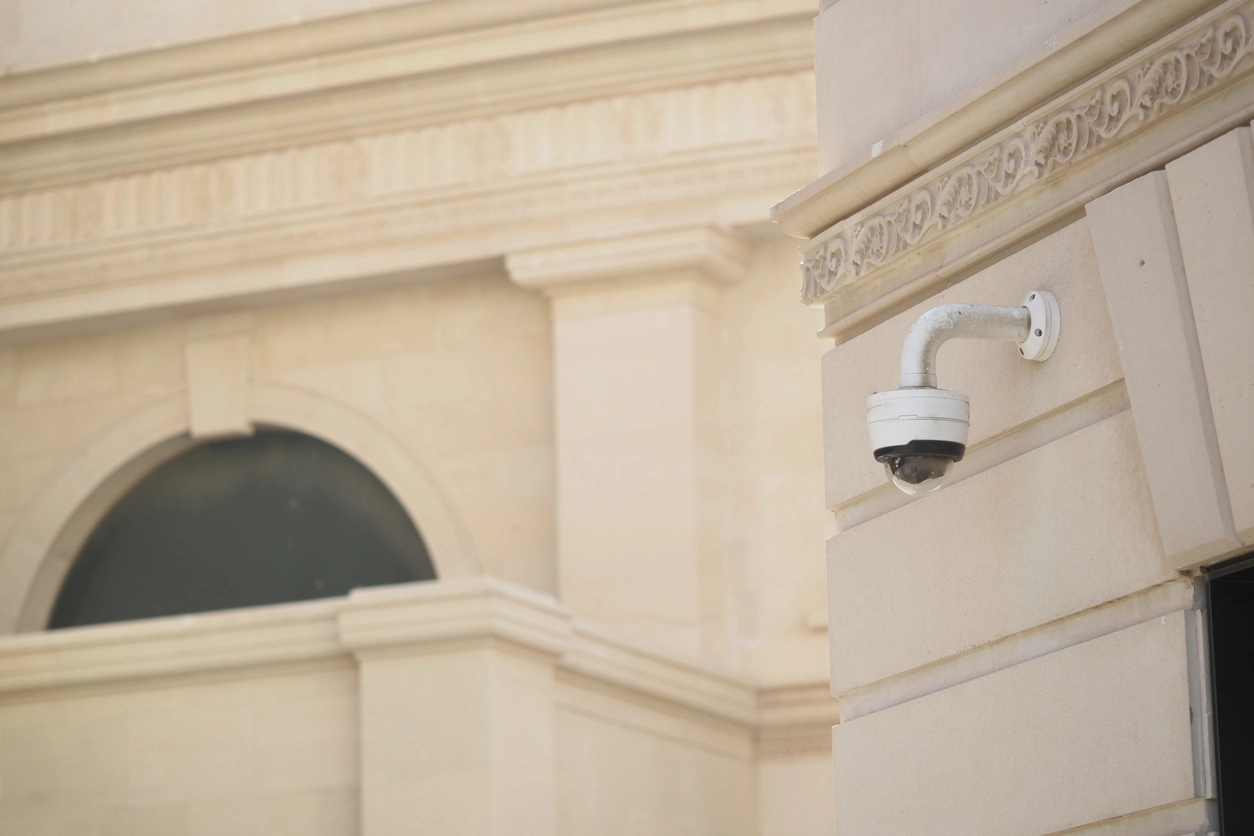
Courthouse surveillance systems can help monitor public entrances, waiting areas, corridors, exterior approaches, parking areas, and controlled spaces where visibility and review are important.
View Courthouse Surveillance →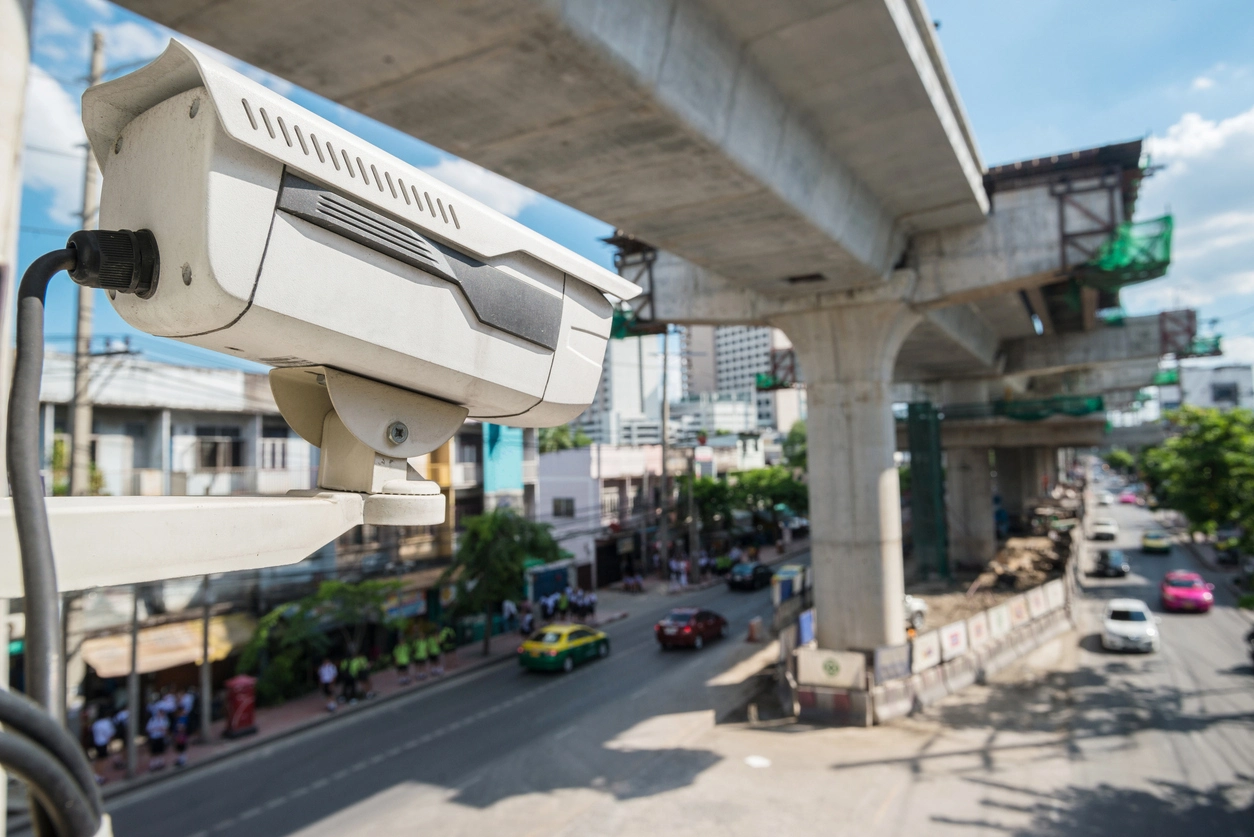
Transit authority surveillance systems can support visibility across stations, platforms, bus facilities, parking areas, maintenance spaces, entrances, and other public transportation environments.
View Transit Authority Surveillance →Planning Considerations
Government surveillance buyers often want dependable equipment that fits serious public-sector environments.
The legacy page emphasizes trusted equipment and public-sector fit, including name-brand surveillance and access control options that can support government use cases ranging from building security to controlled entry and broader operational monitoring.
The right hardware choice depends on the facility, the required image quality, the need for remote access, retention expectations, lighting conditions, and whether the project includes cameras only or broader access control requirements.
Camera Security Now helps government buyers evaluate practical system options that match the site and the operational need instead of forcing a one-size-fits-all package.
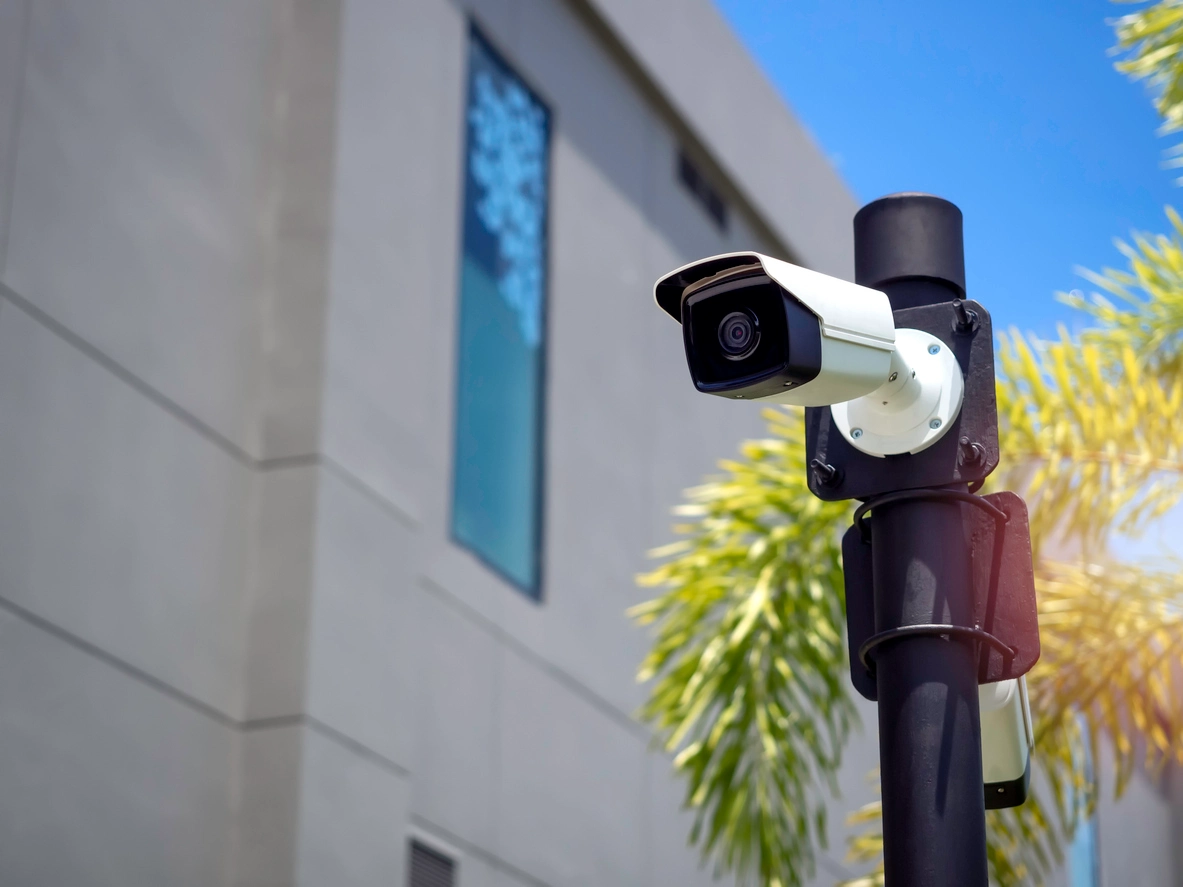
These are the kinds of considerations government buyers often evaluate when planning surveillance.
Some public-sector environments need longer retention windows for investigations, accountability, policy review, or evidence support.
Government buildings often need a thoughtful balance between public-facing observation and internal operational visibility.
Some facilities benefit from tying camera visibility to controlled entry points, card access, and monitored doors.
Municipal and agency teams may need consistency across multiple buildings, departments, campuses, or service locations.
The legacy government page also highlighted local Southwest Ohio coverage in addition to broader nationwide support.
Government surveillance planning works best when the system reflects the actual mission and environment of the facility.
A dispatch center, courthouse, city park, water treatment plant, police department, fire department, transit facility, and correctional environment all have different surveillance priorities. Some need public-area awareness. Some need controlled access visibility. Some need stronger retention and incident review. Others need better coverage of exterior infrastructure and operational zones.
That is why government security camera planning should begin with the environment, the people using the facility, the areas that require review, and the level of visibility needed to support safety and accountability. Camera Security Now helps public-sector buyers move toward more practical surveillance decisions by matching facility needs to real commercial security options.
Camera Security Now supports government security camera planning locally in Southwest Ohio and more broadly for organizations across the United States that need public-sector surveillance systems and installation support.
Get answers to common questions about this security camera solution.
Government surveillance is commonly used in municipal buildings, dispatch centers, police departments, fire stations, courthouses, parks, transit environments, correctional facilities, and infrastructure-related properties.
Yes. Some government environments need both surveillance and controlled entry planning, especially where restricted access points and monitored doors are important.
Some do. Retention needs depend on the facility type, review requirements, policy considerations, and how often archived footage may need to be referenced.
Yes. Camera Security Now supports both Southwest Ohio service areas and broader nationwide government surveillance projects.
Tell us about the type of government environment you need to monitor, the areas that matter most, and whether you need cameras, access control, or installation support.