
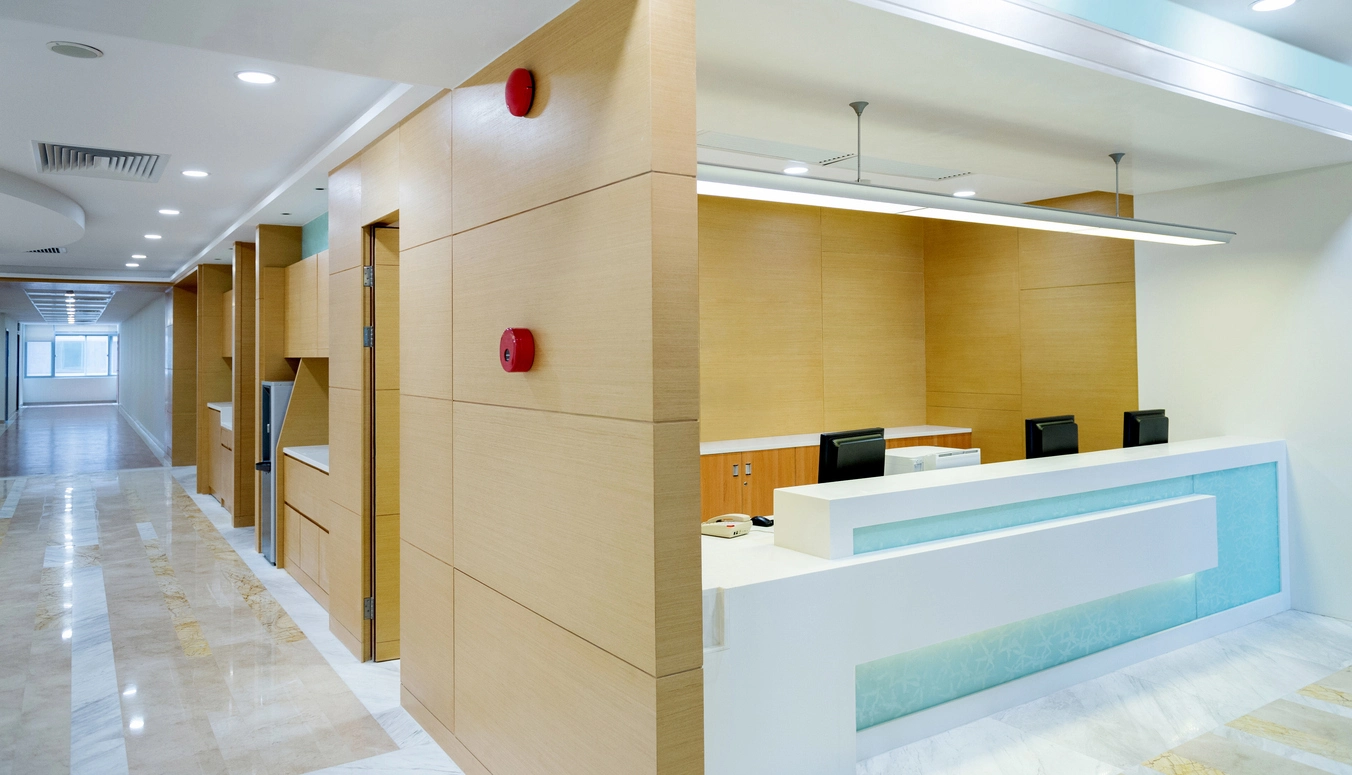
Reception and Public Entry Visibility
Diagnostic facilities often need stronger coverage around entrances, reception spaces, waiting areas, and public-facing access points.
Diagnostic Facility Security Cameras & Medical Imaging Surveillance
Camera Security Now helps diagnostic imaging centers, clinical laboratories, and other medical diagnostic facilities evaluate security camera systems for entrances, parking lots, restricted areas, asset visibility, and broader operational oversight.
Medical diagnostic facilities often hold expensive equipment, sensitive operational areas, staff-only spaces, and patient-facing environments that require more deliberate surveillance planning than a standard office or retail location.
Imaging centers, clinical laboratories, and other diagnostic environments may need visibility around entrances, parking lots, equipment-adjacent spaces, restricted areas, and the internal zones where staff movement and access control matter.
Camera Security Now helps diagnostic facility buyers evaluate surveillance systems that support patient and staff safety, restricted-area visibility, operational awareness, and broader medical facility security planning.
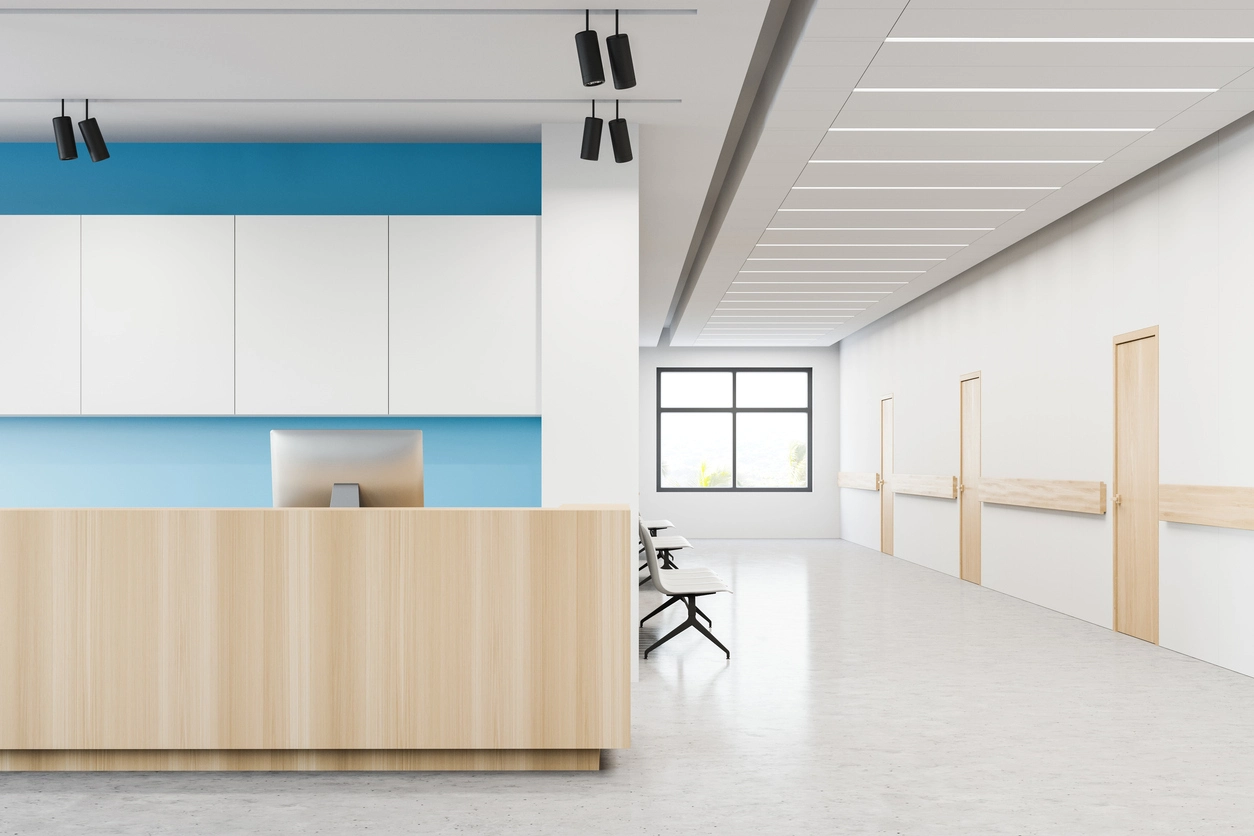
Diagnostic facility surveillance projects often center on patient and staff safety, restricted-area visibility, asset awareness, and better operational oversight.
Many diagnostic facilities need stronger monitoring in staff-only and controlled interior areas.
Imaging centers and labs often place value on visibility around expensive equipment and sensitive operational spaces.
Parking lots, entries, waiting areas, and building approaches are common visibility priorities in diagnostic environments.
Diagnostic surveillance works best when the system reflects the patient flow, controlled access needs, and operational priorities of the facility.
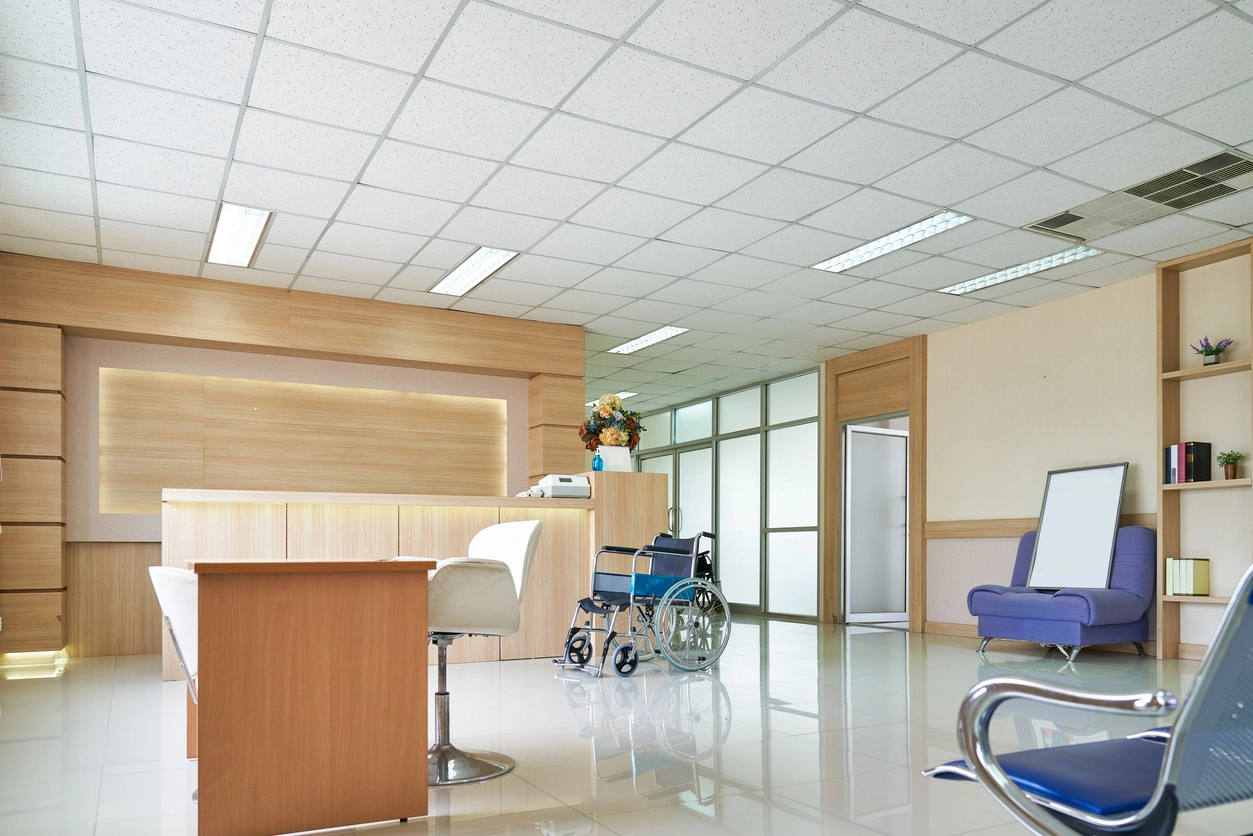
Diagnostic facilities often need stronger coverage around entrances, reception spaces, waiting areas, and public-facing access points.
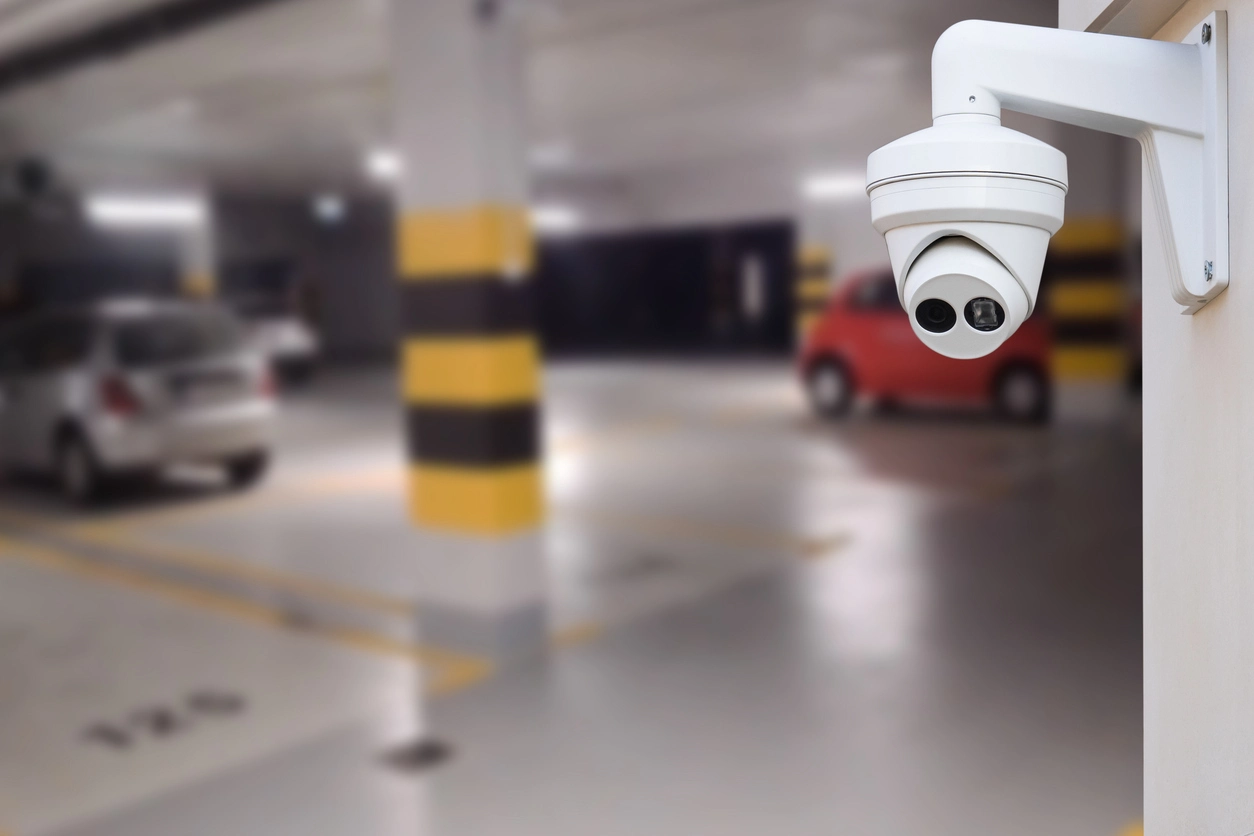
Parking areas, building approaches, and after-hours exterior visibility can be important priorities for patient and staff safety.
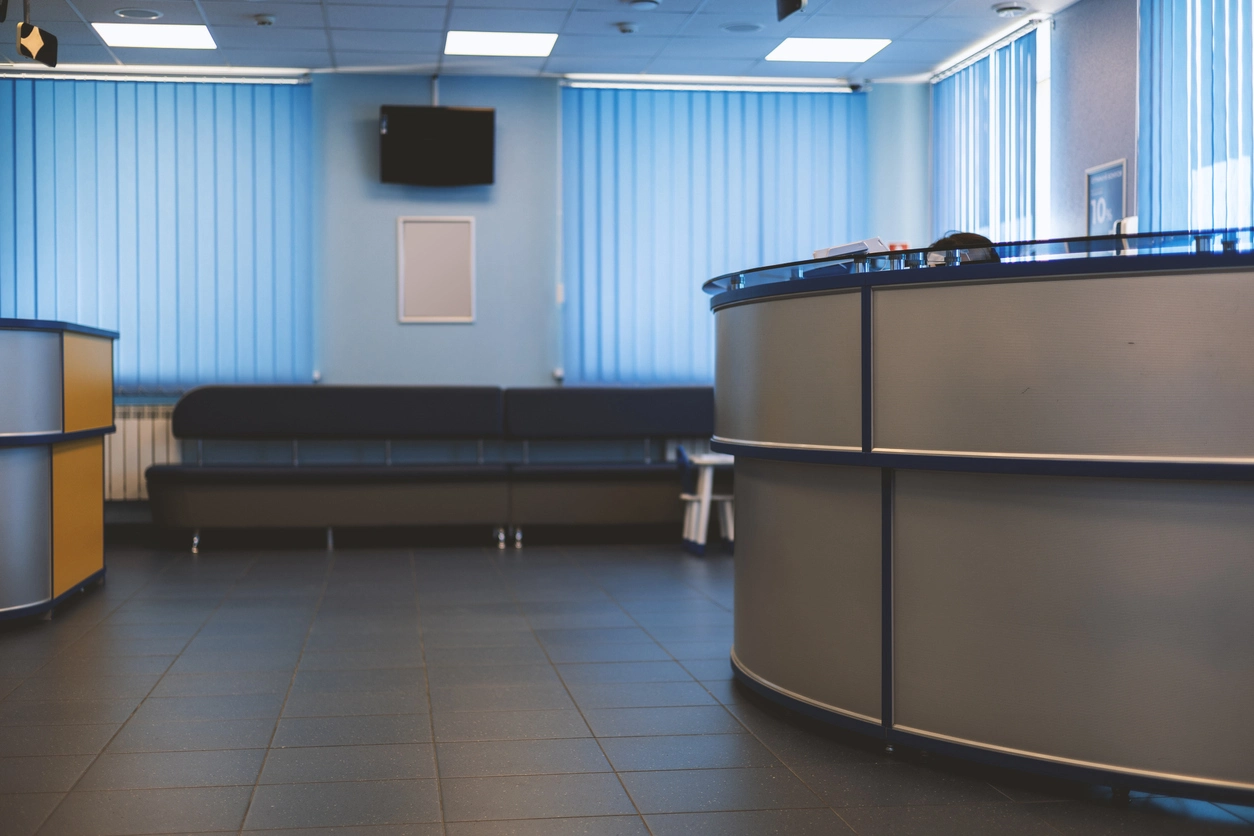
Diagnostic facilities often include controlled interior spaces where visitors should not have access and where stronger visibility is important.

Some diagnostic environments benefit from pairing surveillance with access control around interior restricted doors and sensitive operational zones.
Imaging centers and labs often need visibility around expensive equipment, work areas, and sensitive operational spaces.

Remote viewing can help owners and administrators maintain better operational awareness without interfering with patient care workflows.
Diagnostic facility surveillance projects often require more planning than just placing a few cameras in the lobby.
Share the type of diagnostic environment, the areas that matter most, and the safety or operational goals you are trying to support.
We help you think through entrances, parking visibility, restricted areas, access control coordination, and equipment-area coverage priorities.
You get a clearer path forward instead of guessing through a diagnostic facility security project.
When ready, we help align the project toward implementation and broader diagnostic facility visibility planning.
Diagnostic surveillance is most relevant where patient flow, restricted medical areas, parking visibility, and controlled operational environments all shape the facility.
Imaging environments often need visibility around public entries, patient areas, equipment-adjacent spaces, and controlled internal zones.
Laboratory settings may prioritize restricted-area monitoring, asset visibility, and access-aware surveillance planning.
Facilities focused on MRI, CT, mammography, or other diagnostic services often need a more tailored surveillance plan than a general office would.
Some diagnostic environments need stronger visibility around staff-only areas, records-related spaces, and protected operational workflows.
Parking lots, entrances, waiting areas, and common operational spaces often become important visibility priorities.
Some diagnostic facilities need surveillance paired with controlled entry to support restricted-area accountability.
Diagnostic surveillance works best when the system reflects the real patient flow, restricted access needs, and operational realities of the facility.
A diagnostic facility does not have the same surveillance priorities as a daycare, warehouse, or general office building. Diagnostic facility surveillance is more likely to center on imaging centers, laboratories, reception visibility, parking areas, sensitive equipment, restricted spaces, and access-aware operational planning.
For imaging centers, clinical labs, and specialized outpatient diagnostic facilities, the right camera system should be planned around how patients, staff, visitors, vendors, and equipment move through the space. Public entries, waiting rooms, parking lots, controlled doors, imaging areas, equipment-adjacent spaces, and staff-only zones may all play a role in the overall surveillance plan.
Camera Security Now helps diagnostic facilities evaluate surveillance systems for entrances, parking lots, restricted areas, access control coordination, equipment visibility, and broader patient- and staff-safety planning.
Common questions from diagnostic imaging centers, labs, and medical facilities evaluating security cameras and restricted-area surveillance.
Many diagnostic facility camera projects focus on entrances, reception areas, waiting spaces, parking lots, restricted interior areas, staff-only rooms, and equipment-adjacent operational zones. The right layout depends on the facility design and the visibility goals of the organization.
Yes. Some diagnostic environments benefit from pairing cameras with access control around restricted spaces, staff-only areas, and interior controlled doors.
Yes. Parking lots and exterior approaches are common surveillance priorities because patient, visitor, and staff safety often extends beyond the building interior.
Yes. Many surveillance systems support remote viewing, which can help owners and administrators maintain visibility into the facility when appropriate.
Diagnostic facility surveillance is more focused on imaging centers, clinical laboratories, specialized outpatient operations, restricted medical areas, equipment visibility, and access-aware planning tied to diagnostic environments.
Tell us about your diagnostic facility, your restricted areas, and the visibility goals you are trying to achieve. We’ll help you move toward the right surveillance solution.