
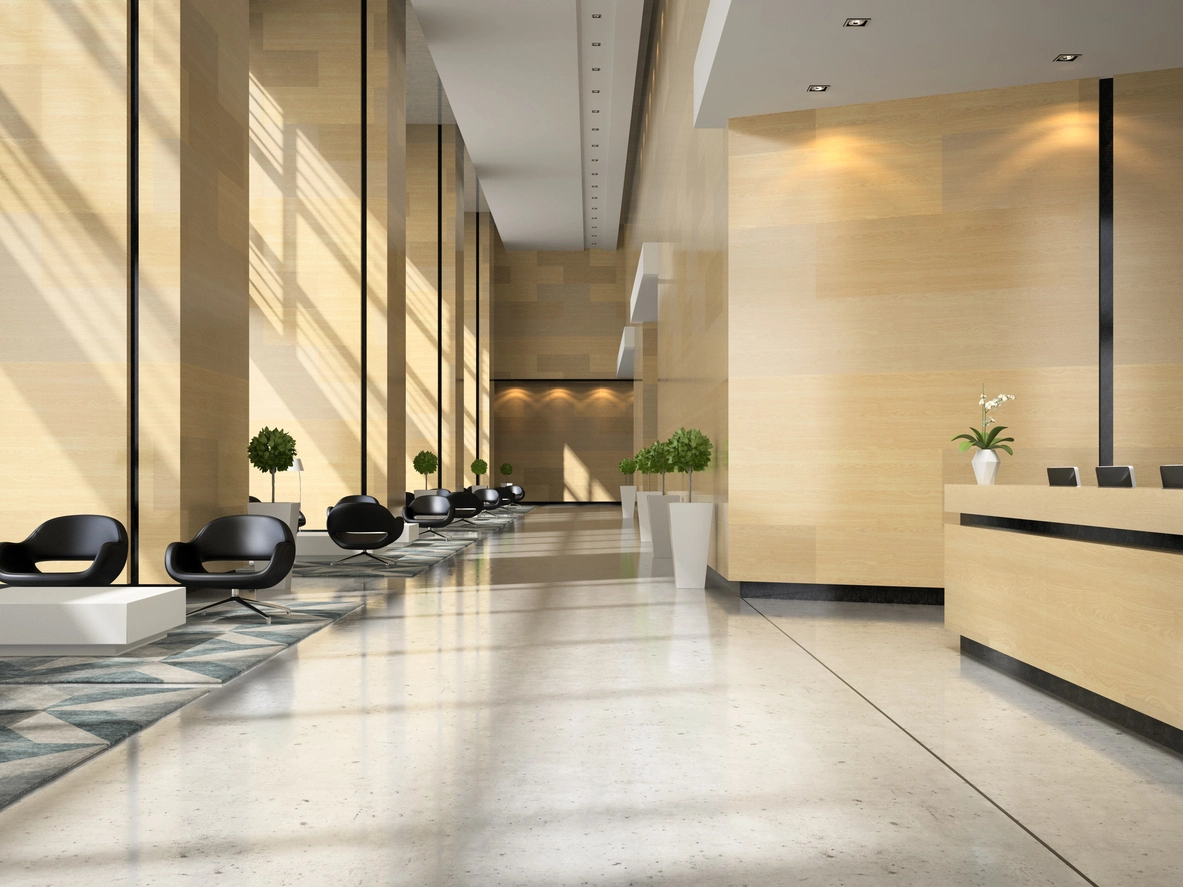
Lobby and Front Desk Visibility
Hotels often need stronger coverage around lobbies, front desks, check-in areas, and other guest-facing arrival points.
Hotel Security Cameras & Hospitality Surveillance
Camera Security Now helps hotels and lodging properties evaluate security camera systems for lobbies, entrances, hallways, elevators, parking lots, guest-facing common areas, and broader hospitality visibility.
Hotels often need surveillance because they combine guest arrivals, public-facing lobbies, hallways, elevators, parking areas, exterior approaches, and shared hospitality spaces that require stronger visibility around the clock.
A hotel camera system should be planned around the way guests, staff, vendors, vehicles, and visitors move through the property. Front desks, guest entrances, hallways, elevator areas, parking lots, lounges, meeting spaces, and staff-only areas may all play a role in the overall surveillance plan.
Camera Security Now helps hotel buyers evaluate surveillance systems that fit the real guest flow, property layout, and operational priorities of a lodging environment.

Hotel surveillance projects often center on guest safety, public-area visibility, parking-lot monitoring, and broader hospitality-property oversight.
Hotels often want stronger coverage around lobbies, front desks, and guest entry points where activity is concentrated.
Hallways, elevator spaces, and other shared guest areas are common surveillance priorities in hospitality environments.
Parking lots, drop-off lanes, and exterior approaches are important visibility zones for many hotel properties.
Hotel surveillance works best when the system reflects the guest journey, public circulation areas, and the exterior visibility needs of the property.
Hotels often need stronger coverage around lobbies, front desks, check-in areas, and other guest-facing arrival points.
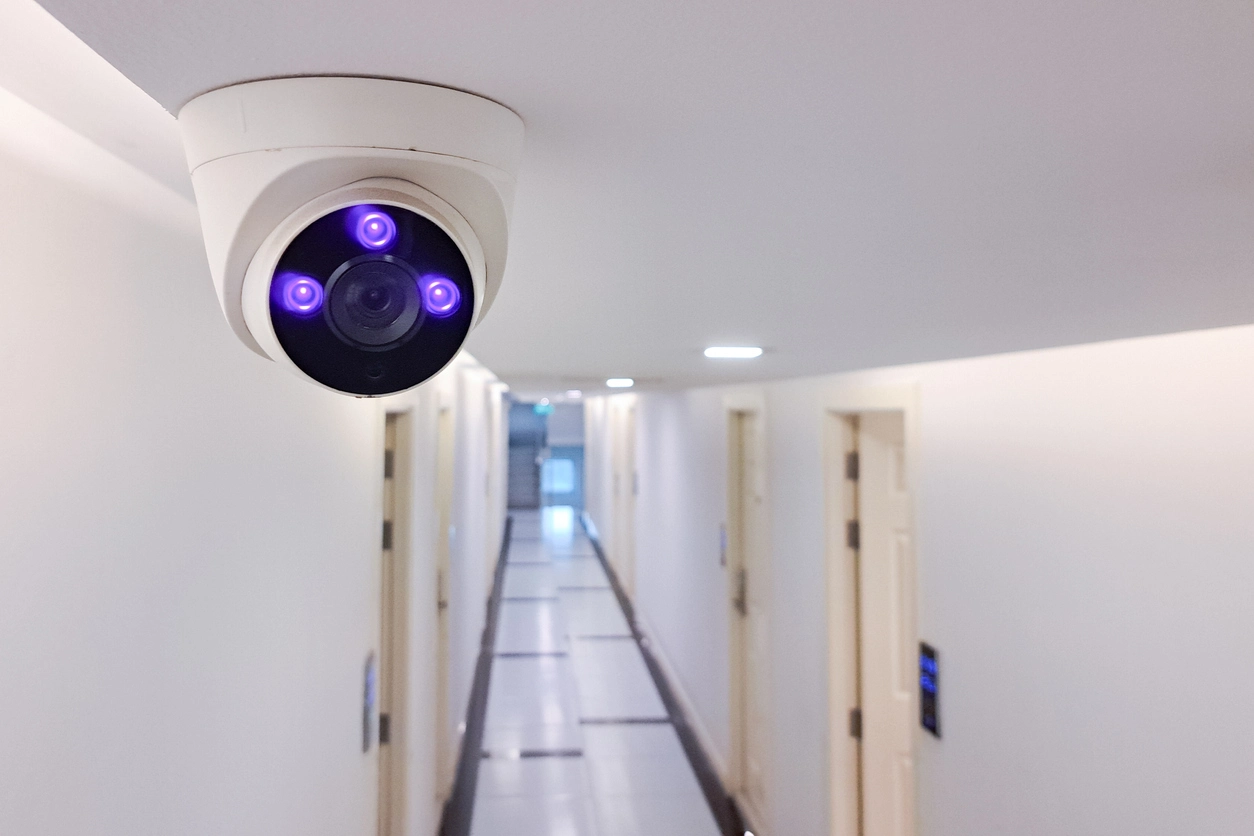
Public circulation areas such as entrances, interior hallways, and elevator-adjacent spaces are common priorities for hospitality surveillance.
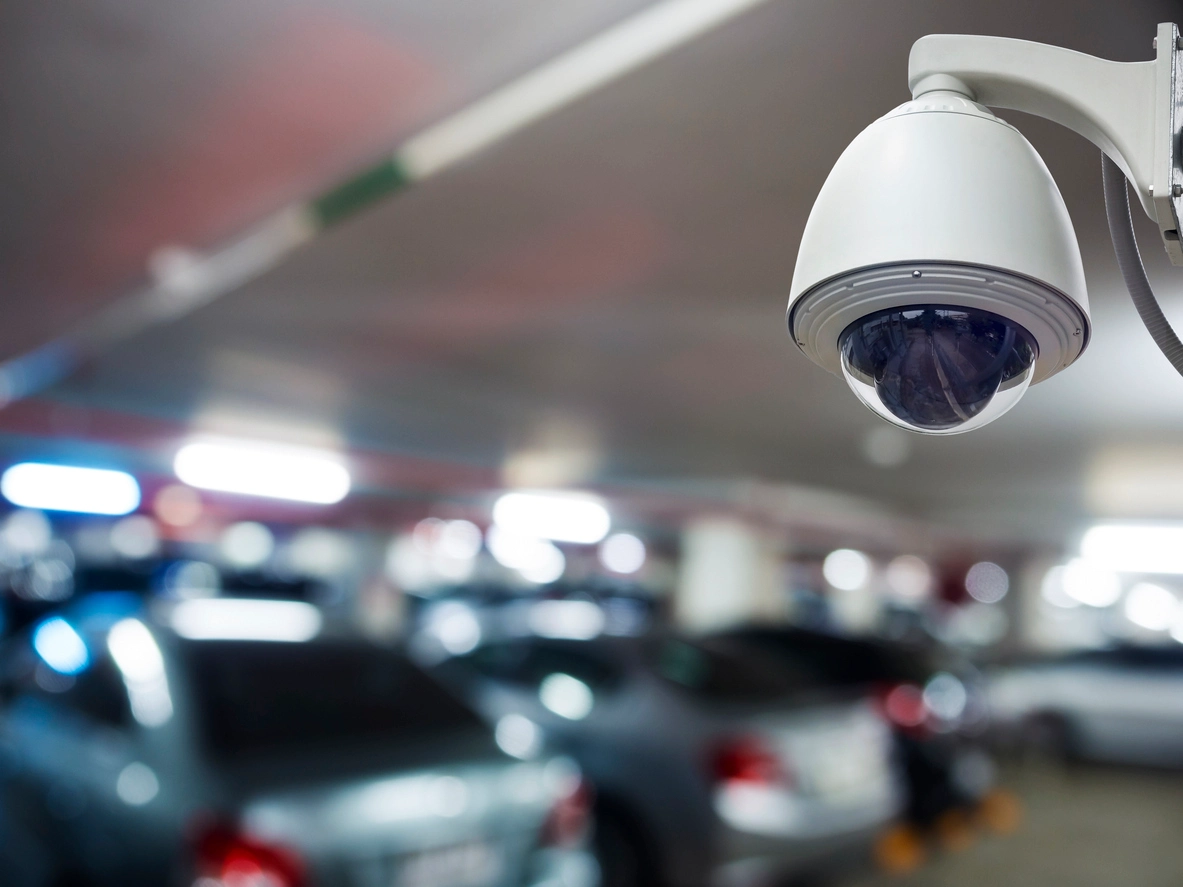
Hotels often want stronger visibility around parking lots, drop-off lanes, sidewalks, and other exterior guest-access approaches.
Shared spaces such as lounges, breakfast areas, meeting spaces, and public-access amenity areas may also be part of a hotel surveillance plan.

Some hotels need visibility around back offices, service corridors, supply rooms, and other operational areas not intended for guests.
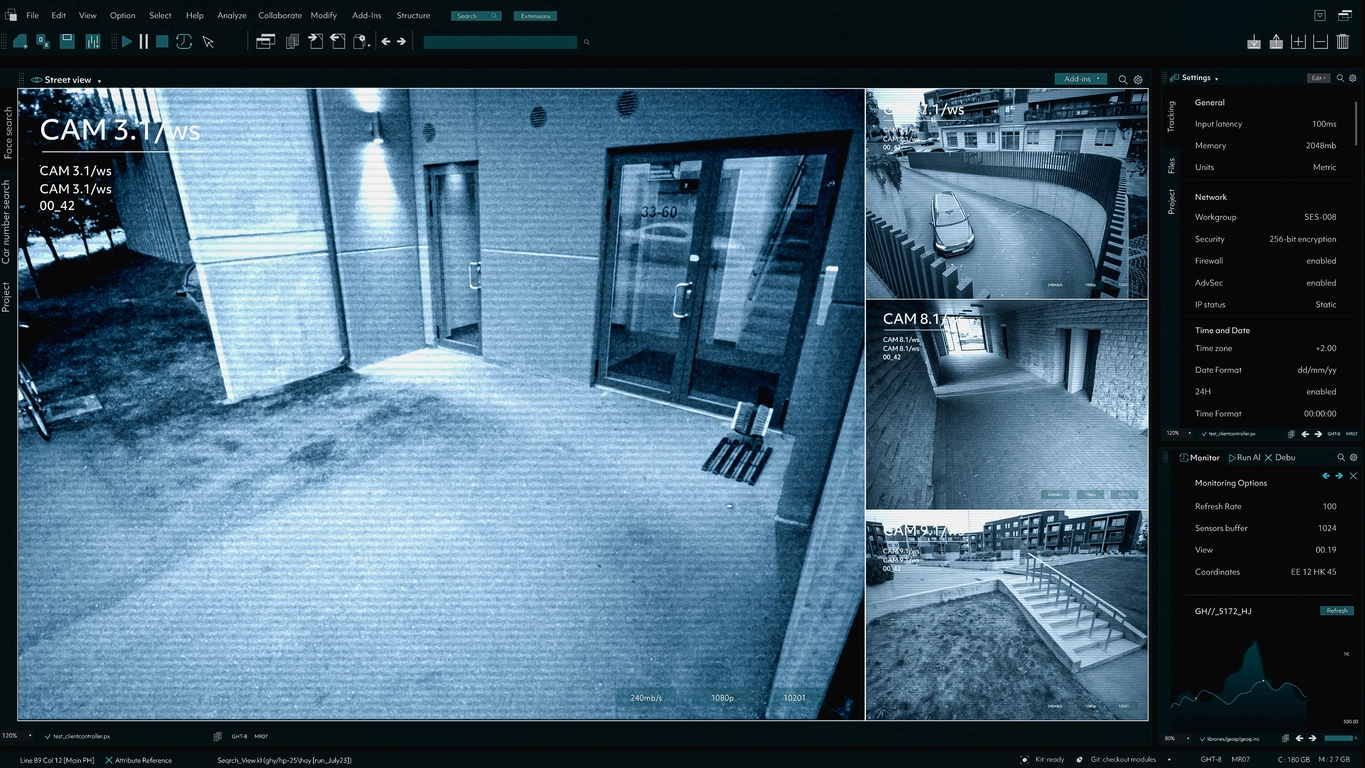
Remote viewing can help owners and operators maintain better visibility across one property or multiple hospitality locations.
Hotel surveillance projects often require more planning than just placing cameras in the lobby.
Share the property layout, the areas that matter most, and the visibility concerns you are trying to address.
We help you think through lobbies, hallways, parking visibility, guest-access areas, and remote monitoring priorities.
You get a clearer path forward instead of guessing through a hotel surveillance project.
When ready, we help align the project toward implementation and broader hospitality-property visibility planning.
Hotel surveillance is most relevant where guest arrivals, public circulation, parking exposure, and shared-access environments shape daily operations.
Hospitality properties often need visibility across guest arrivals, public circulation, and shared-access environments.
Properties with steady guest flow often prioritize front desk visibility, hallway oversight, and broader exterior awareness.
Hotels with large parking areas often place extra value on exterior coverage and guest-vehicle visibility.
Entrances, elevators, stairwells, and hallways often become important visibility priorities in larger hotel layouts.
Some hotel owners need surveillance for one property, while others want remote visibility across multiple sites.
Many hotel surveillance projects are driven by guest safety, public-area oversight, and stronger accountability in shared spaces.
Hotel surveillance works best when the system reflects the real guest flow, public-area priorities, and exterior monitoring needs of the property.
A hotel does not have the same surveillance priorities as a gym, apartment complex, or general office building. Hotel surveillance is more likely to center on lobbies, front desks, guest hallways, elevators, parking lots, common hospitality spaces, and broader guest-safety visibility.
For hotel owners and hospitality operators, the right camera system should be planned around the full guest experience and the daily movement of staff, vendors, and visitors. Lobby activity, hallway movement, elevator access, parking areas, drop-off lanes, meeting rooms, lounges, and staff-only spaces can all affect how the system should be designed.
Camera Security Now helps hotels evaluate surveillance systems for lobbies, entrances, hallways, elevator areas, parking visibility, restricted staff zones, remote viewing, and broader hotel security planning.
Common questions from hotel owners and hospitality operators evaluating security cameras and property surveillance.
Many hotel camera projects focus on lobbies, front desks, entrances, hallways, elevator areas, parking lots, exterior approaches, and selected staff-only operational spaces. The right layout depends on the property design and the visibility goals of the hotel.
Yes. Parking lots, drop-off areas, and exterior guest-access approaches are common surveillance priorities for hotels.
Many do. Hallways, elevators, and shared guest circulation areas are often important parts of a hotel surveillance plan.
Yes. Many hotel surveillance systems support remote viewing for owners, managers, and hospitality operators when appropriate.
Hotel surveillance is more focused on guest arrivals, lobbies, hallways, elevator areas, shared hospitality spaces, and broader lodging-property visibility rather than member access or residential tenant environments.
Tell us about your hotel, your guest-facing areas, and the visibility goals you are trying to achieve. We’ll help you move toward the right hospitality surveillance solution.