
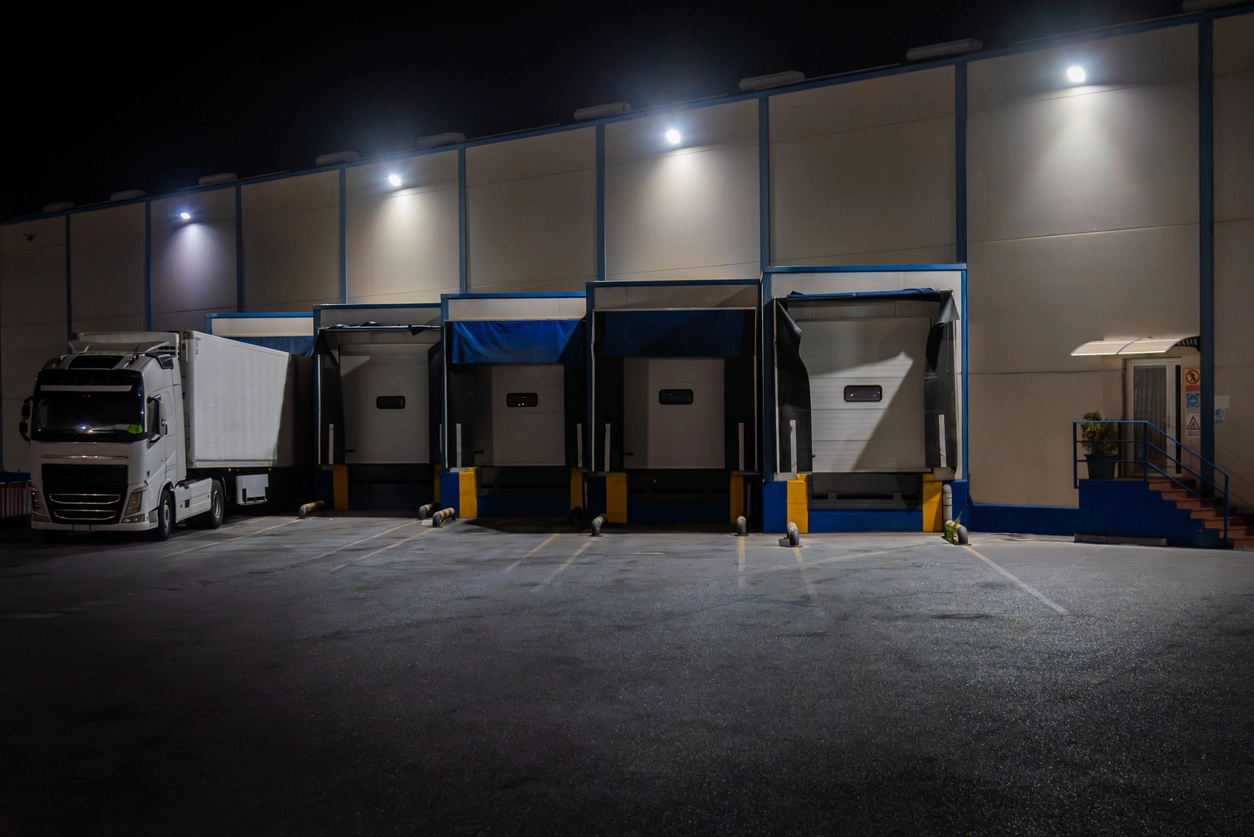
Loading Dock Surveillance
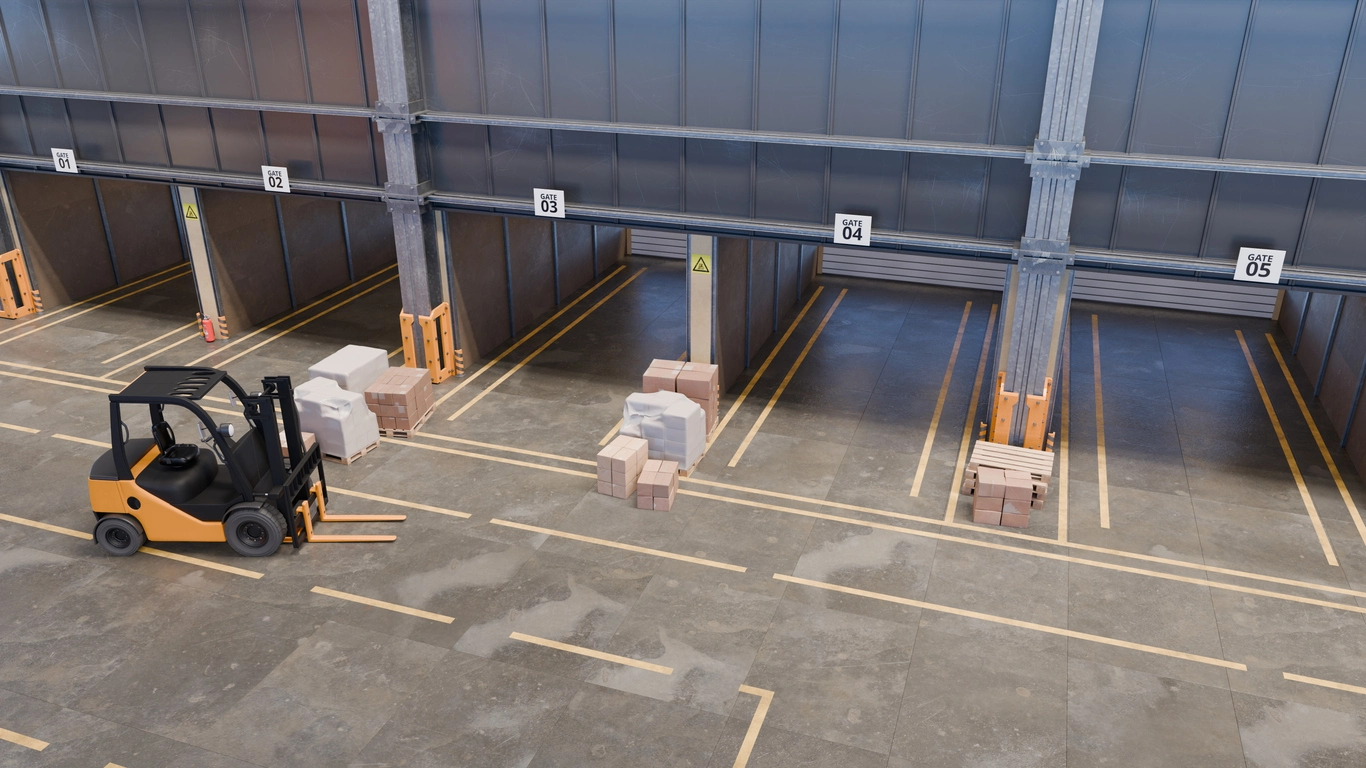
Monitor dock doors, trailer loading, inbound deliveries, outbound shipments, and handoff areas where review, verification, and accountability often matter most.
Warehouse Security Cameras & Commercial Surveillance
Camera Security Now helps warehouses, distribution operations, and inventory-focused businesses evaluate commercial security camera systems for loading docks, storage aisles, shipping and receiving zones, remote monitoring, and broader warehouse visibility.
Warehouses create different surveillance demands than standard office, retail, or small commercial interiors. High ceilings, long aisles, pallet storage, loading activity, shipping flow, equipment movement, and valuable inventory all influence how a camera system should be planned.
Many warehouse operators are not only trying to deter theft. They also want stronger accountability around shipping and receiving, clearer incident review, better after-hours visibility, and more operational awareness across the facility.
Camera Security Now helps buyers evaluate warehouse surveillance systems that reflect the real workflow of the building, whether the priority is inventory protection, dock monitoring, remote management, PTZ coverage, or a broader commercial security upgrade.
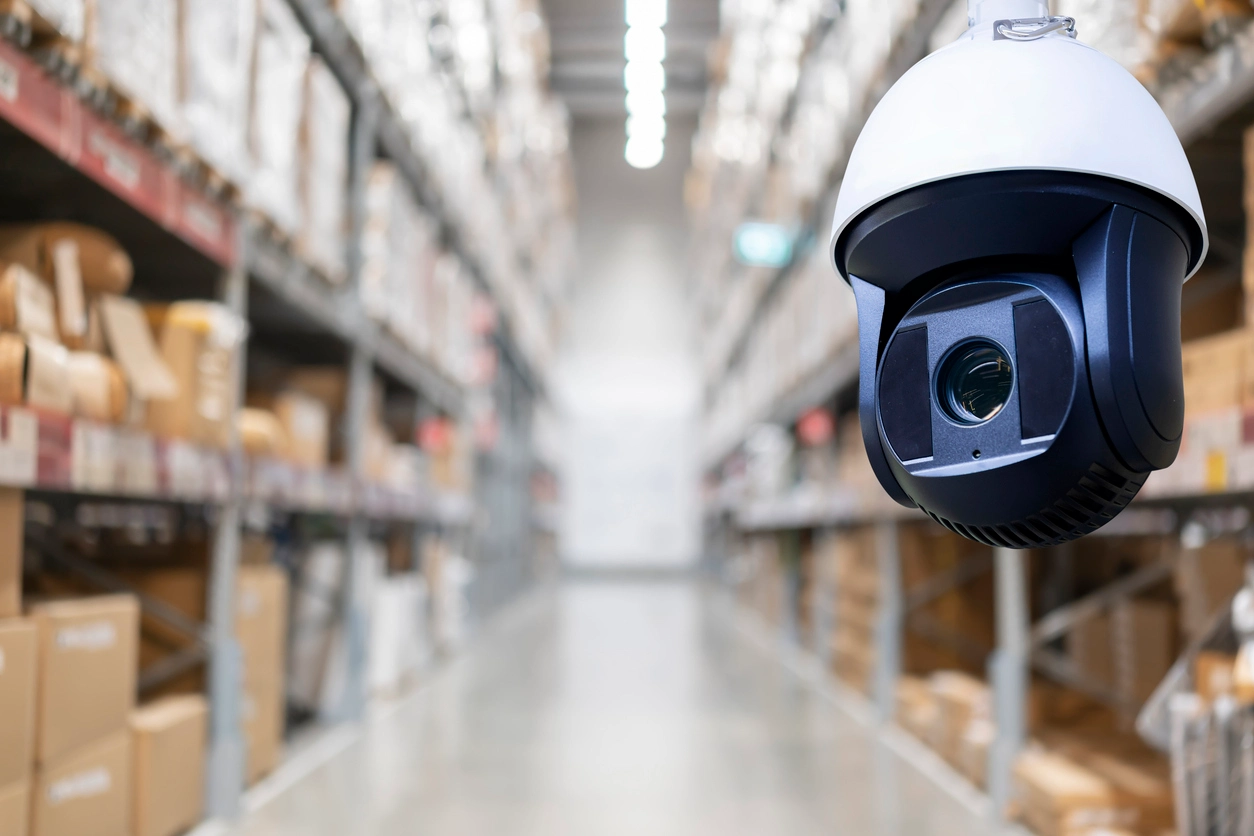
Warehouse camera projects are often driven by a mix of inventory protection, process visibility, operational accountability, and remote oversight.
Improve visibility around stored goods, pallet rows, staging areas, and high-value inventory where shrink or unexplained loss may become a concern.
Monitor loading docks, receiving bays, shipping zones, and handoff areas where activity may need to be verified later.
Maintain visibility across multiple shifts, after-hours activity, or one or more warehouse locations without always being onsite.
Warehouse surveillance planning works best when coverage reflects the parts of the building where product movement, accountability, and operational visibility matter most.
Monitor dock doors, trailer loading, inbound deliveries, outbound shipments, and handoff areas where review, verification, and accountability often matter most.
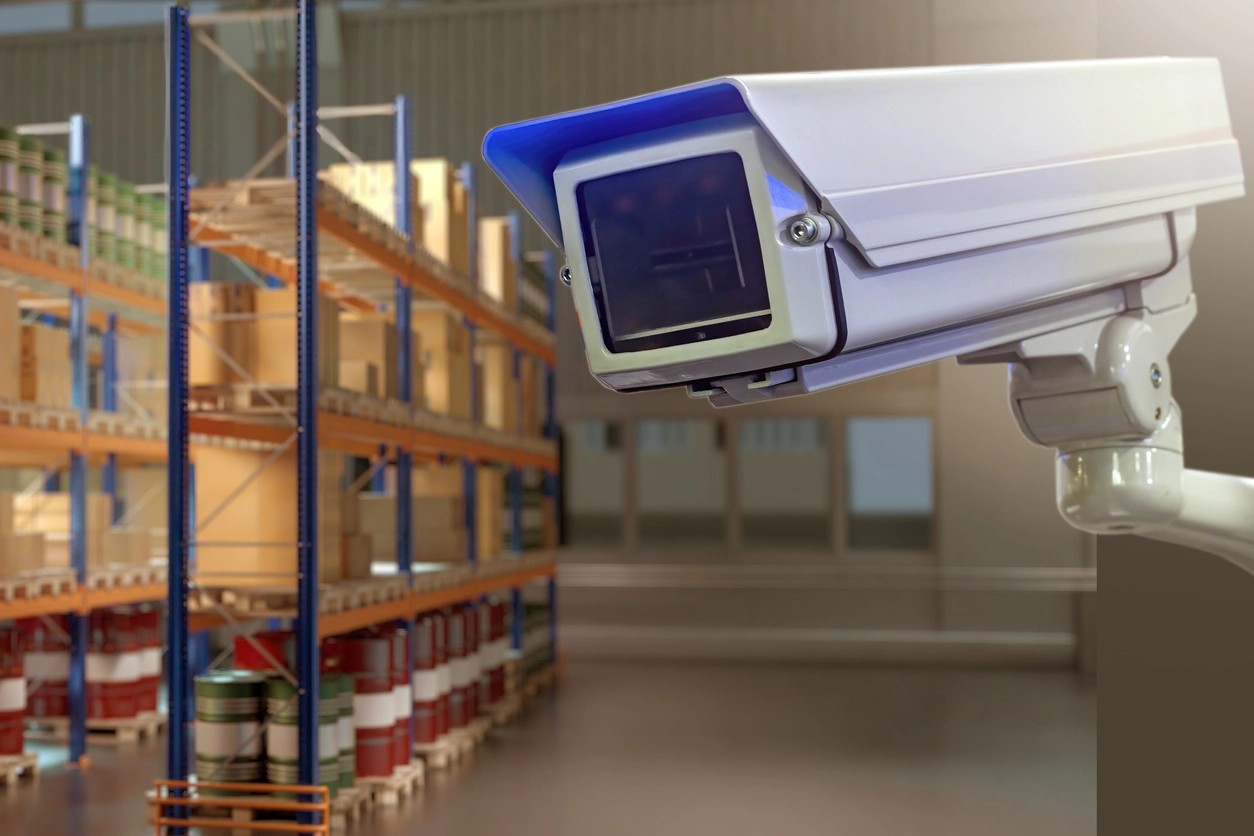
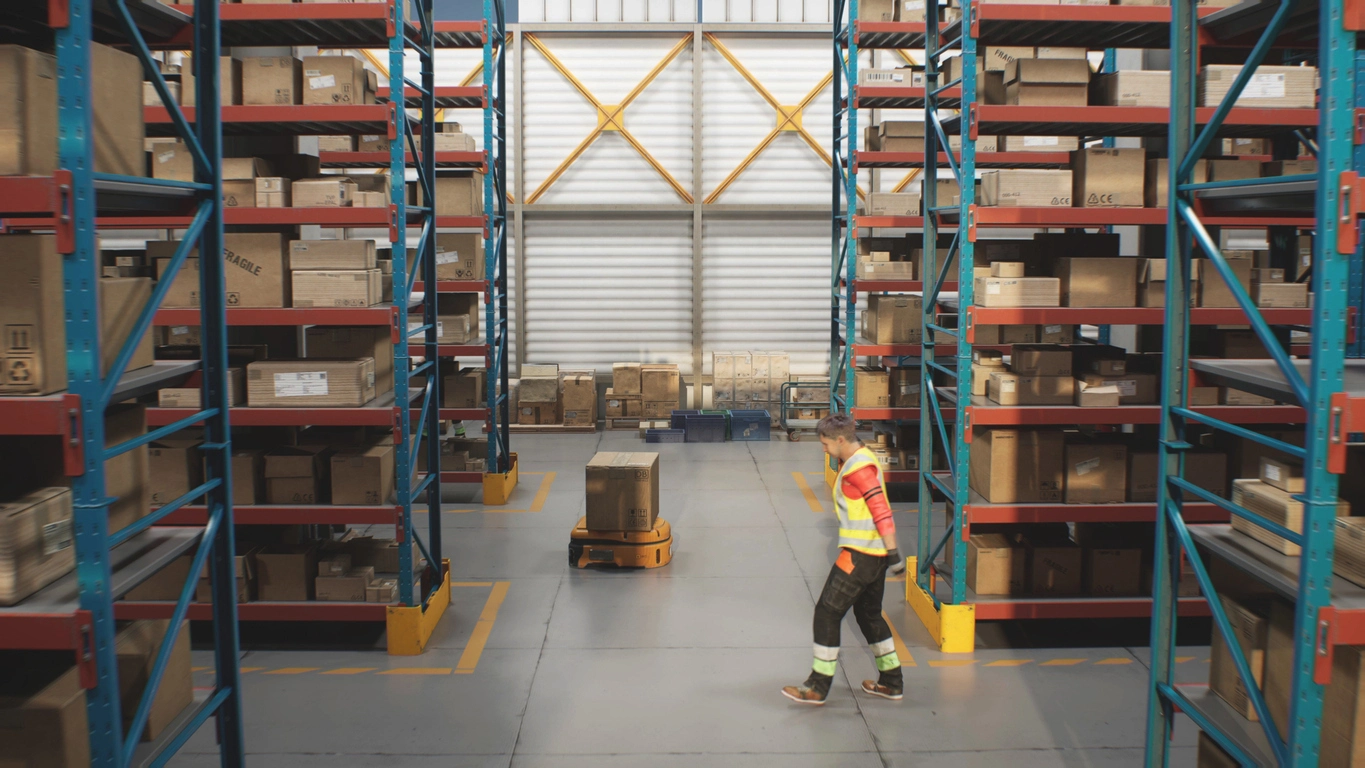
Improve visibility across pallet rows, storage aisles, rack systems, and inventory zones where shrink, unexplained movement, or handling questions may need review.
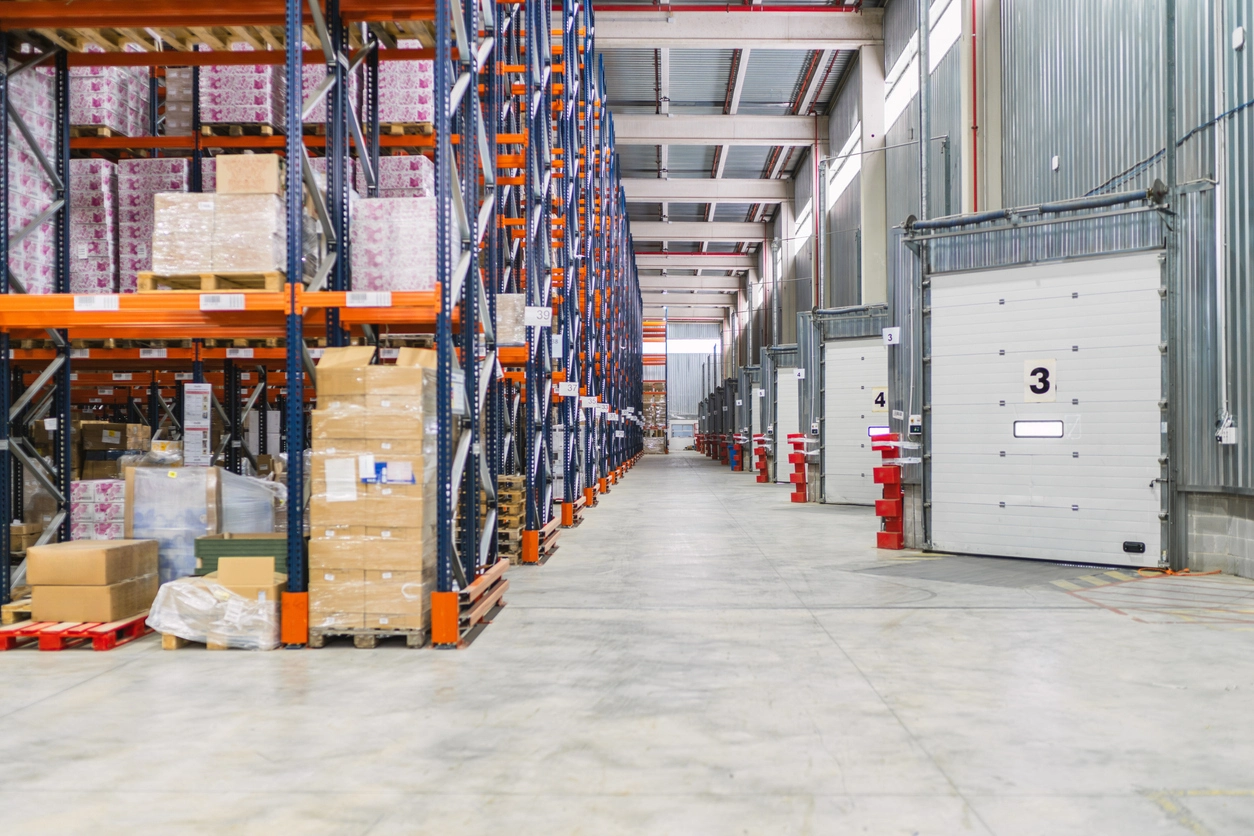
Review package flow, freight handling, receiving activity, and outbound order movement in warehouse areas where timing, quantity, and condition may need verification.
Give managers, owners, and operations teams access to live and recorded video from phones, tablets, and computers when oversight is needed after hours or across multiple shifts.
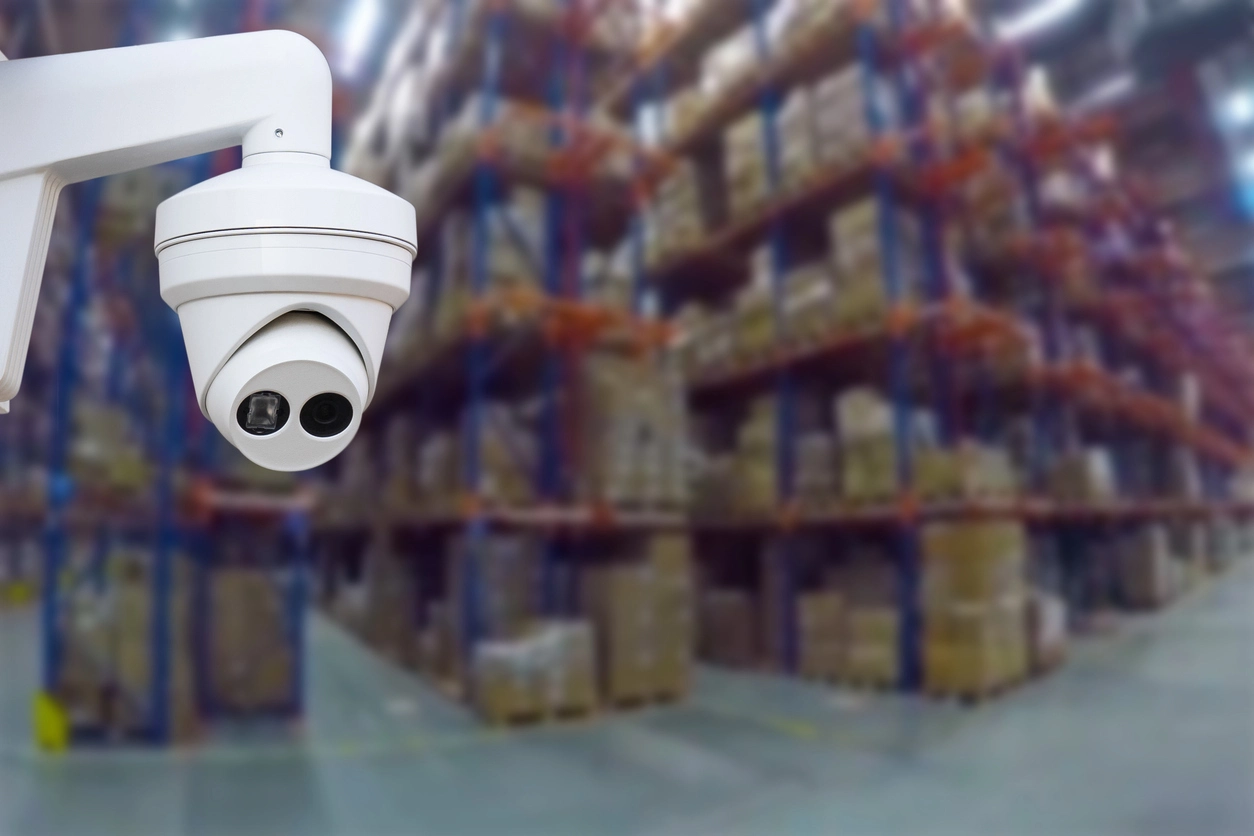
PTZ cameras can support selected warehouse zones where zoom capability and broader-area visibility are useful in open spaces or long-sightline environments.
Some warehouse sites also need visibility around yard areas, equipment storage, detached structures, and other spaces that may require extended networking or wireless links.
A warehouse surveillance project should reflect the actual site, the workflow of the operation, and the areas where review and visibility matter most.
Share the facility type, the areas that matter most, and the visibility or security concerns you are trying to solve.
We help you think through docks, storage rows, access points, camera placement priorities, remote viewing, and whether PTZ or access control should be part of the plan.
You get a clearer path forward instead of trying to guess your way through a warehouse surveillance project.
When ready, we help align the project toward implementation and broader commercial security planning.
Warehouse surveillance is most relevant where product movement, operational visibility, restricted areas, and after-hours oversight all play a role in daily facility management.
Distribution-focused operations often need stronger visibility into receiving, staging, storage, picking, packing, and outbound shipment flow.
Warehouses storing valuable, regulated, or high-volume inventory often prioritize aisle visibility, staging review, and stronger accountability around product movement.
Facilities operating across long hours or multiple shifts often benefit from remote viewing and better after-hours visibility.
Some organizations need warehouse surveillance planning that can scale across multiple facilities with more consistent coverage standards.
Some warehouse environments need surveillance around inventory cages, equipment rooms, office zones, and staff-only areas where visibility and access accountability matter.
Sites handling frequent deliveries, pickups, and freight movement often want reviewable video around dock activity, outbound staging, and receiving handoffs.
Warehouse surveillance works best when the system reflects the real building layout, product flow, and monitoring priorities of the operation.
A warehouse with dense pallet storage, active receiving lanes, multiple dock doors, high-value inventory, exterior equipment areas, or long operating hours will not have the same surveillance priorities as an office, retail showroom, or general commercial interior. That is why warehouse camera planning should begin with the facility workflow, the visibility gaps, and the areas where accountability matters most.
For warehouse managers, operations leaders, and facility owners, the right camera system should be planned around how products, employees, freight, vendors, equipment, and vehicles move through the building. Loading docks, receiving areas, storage aisles, staging zones, inventory cages, employee entrances, exterior approaches, and equipment areas may all require different camera placement and review considerations.
Camera Security Now helps businesses evaluate warehouse surveillance systems locally and nationwide for inventory protection, dock visibility, remote monitoring, PTZ planning, access-control-aware security design, and broader commercial installation support.
Many warehouse buyers also compare related security solutions that support broader site visibility and control.
Explore broader business security camera options for indoor, outdoor, overview, and targeted coverage planning.
Explore Security Cameras →Add controlled entry for inventory rooms, equipment spaces, employee-only doors, and other restricted warehouse areas.
Explore Access Control →Tell us about your warehouse layout, dock areas, visibility goals, and project scope.
Start Your Quote →Common questions from businesses evaluating warehouse security cameras and surveillance planning.
Many warehouse camera projects start with loading docks, shipping and receiving, inventory aisles, pallet staging zones, building entrances, employee access points, and selected exterior approaches. The right layout depends on the workflow of the facility and the areas where visibility matters most.
Cameras do not replace inventory systems, but they can improve visibility around product handling, storage rows, staging areas, and dock activity. That can help support investigations, reduce blind spots, and improve accountability.
PTZ cameras can be useful in selected warehouse applications, especially in larger open areas where zoom capability and broader monitoring flexibility are important. In many projects, PTZ cameras are paired with fixed cameras rather than replacing them.
Yes. Many commercial warehouse surveillance systems support remote viewing from computers, smartphones, and tablets. This is often useful for after-hours oversight, multiple shifts, and multi-site operations.
Yes. Some warehouse projects benefit from combining surveillance and access control, especially for inventory cages, equipment rooms, interior restricted zones, management areas, and staff-only doors.
Tell us about your warehouse, your loading docks, your storage areas, and the visibility goals you are trying to achieve. We’ll help you move toward the right commercial surveillance solution.