
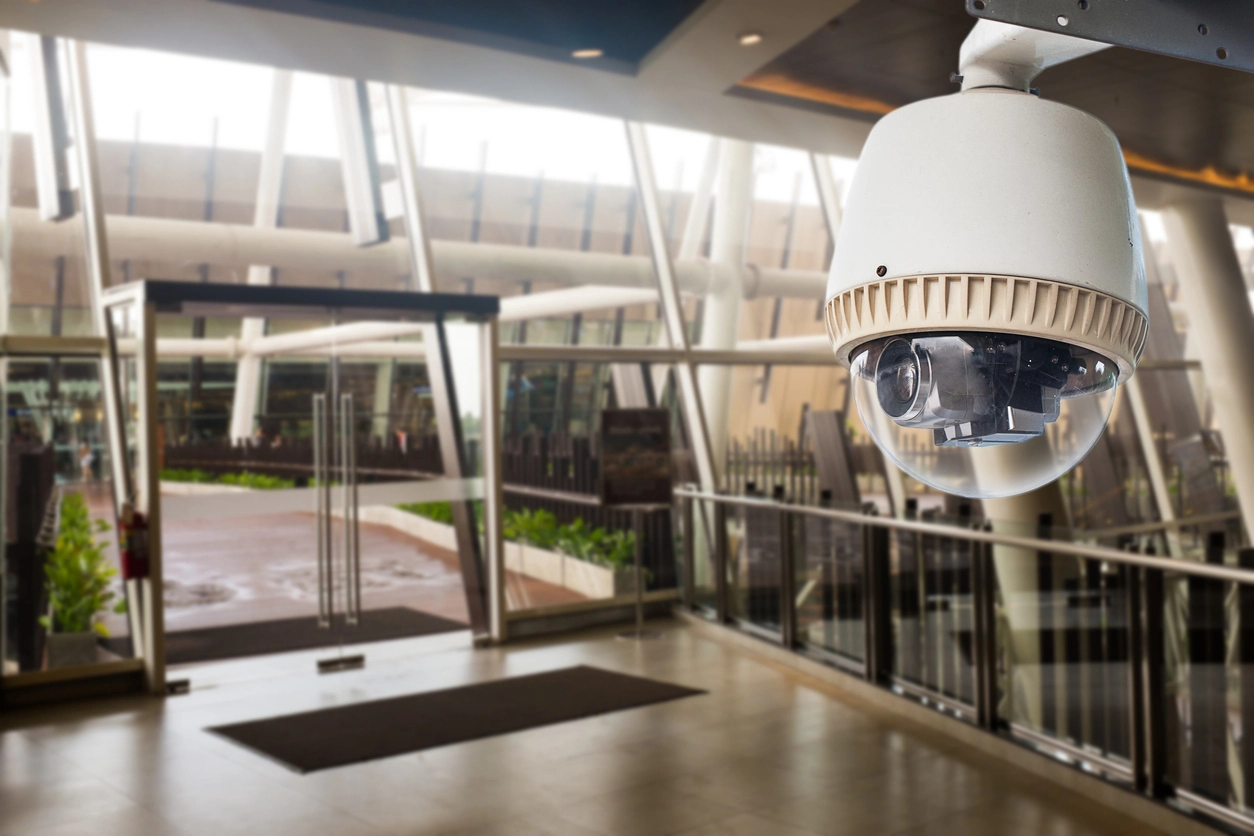
Public Entrances and Lobbies
Monitor visitor entrances, lobby activity, public counters, vestibules, and waiting areas.
Police Department Security Cameras
Camera Security Now helps police departments and public safety agencies evaluate security camera systems for public entrances, lobbies, parking areas, vehicle zones, staff areas, evidence-adjacent spaces, controlled access points, and operational facilities.
Police departments often combine public-facing access, staff-only areas, vehicle zones, evidence-adjacent spaces, interview-adjacent areas, parking lots, and controlled facility entrances.
A practical surveillance system can help agencies review incidents, monitor public counters, improve exterior awareness, support controlled access visibility, and maintain better facility accountability.
Camera Security Now helps public safety buyers evaluate camera placement, recording needs, remote viewing, access control coordination, and installation support for police department environments.
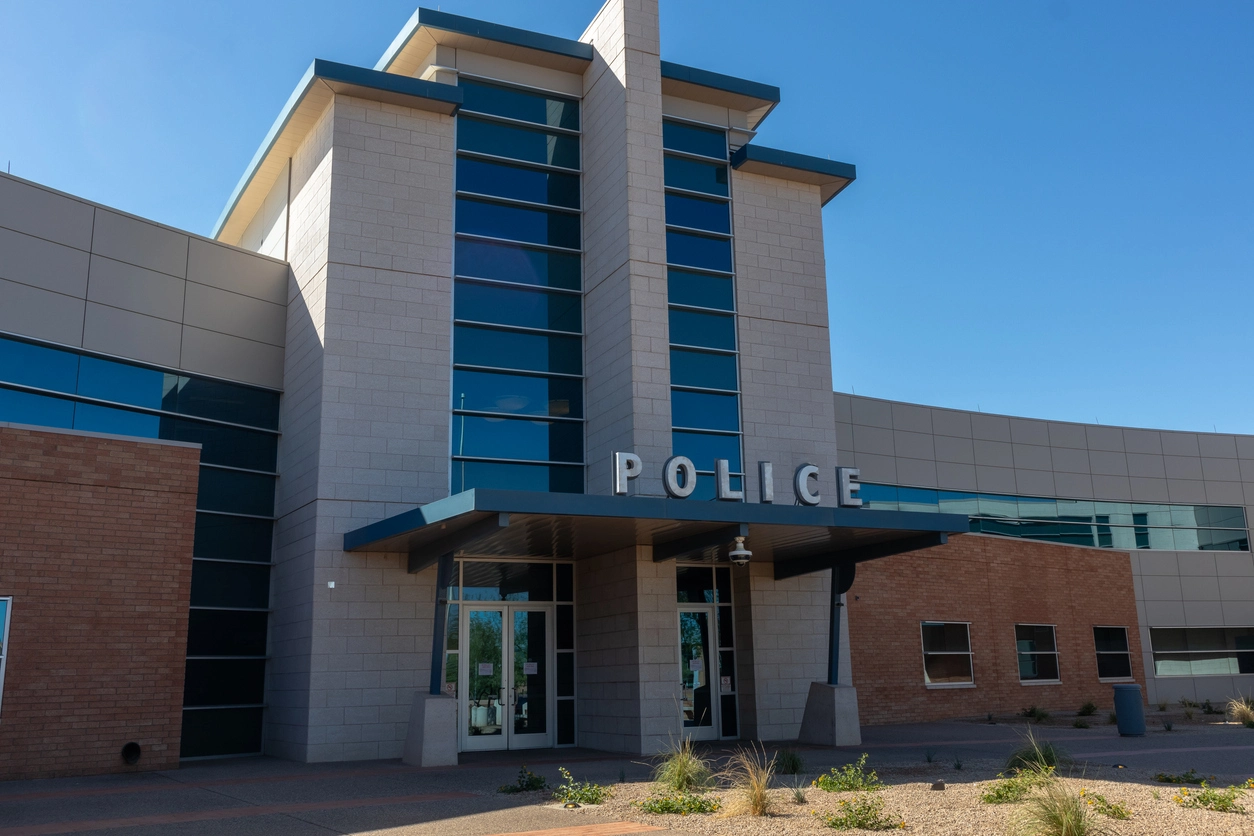
Police department surveillance supports visibility around public-facing spaces, restricted areas, parking zones, and operational facilities.
Monitor visitor entrances, public counters, lobby spaces, vestibules, and public-facing access points.
Improve visibility around staff parking, visitor parking, patrol vehicle areas, exterior doors, and sally-port-adjacent zones.
Support visibility near staff-only doors, restricted corridors, evidence-adjacent spaces, and other controlled facility areas.
Camera placement should reflect the department layout, public access patterns, controlled areas, and exterior security needs.
Monitor visitor entrances, lobby activity, public counters, vestibules, and waiting areas.
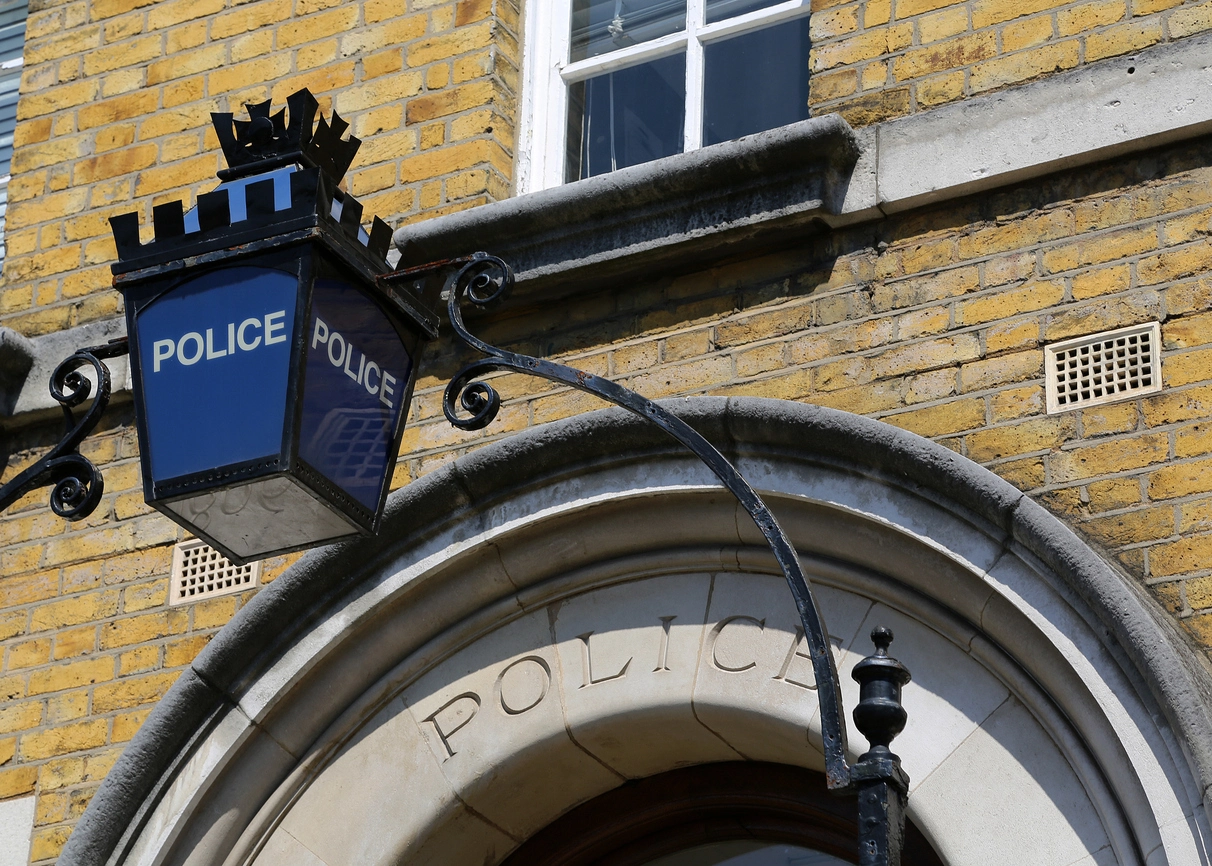
Support visibility around patrol vehicle areas, staff parking, visitor parking, exterior approaches, and service areas.
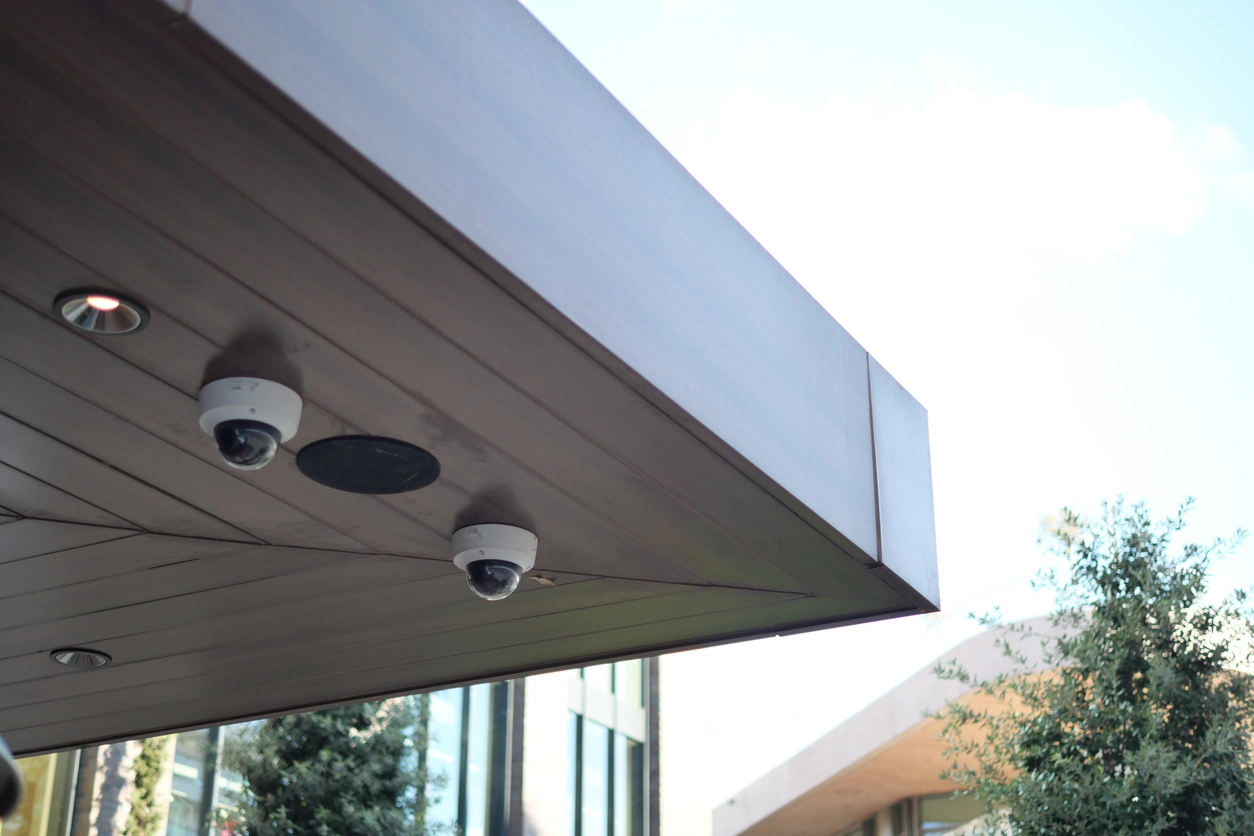
Monitor staff-only entrances, restricted corridors, secured doors, and access-controlled areas.
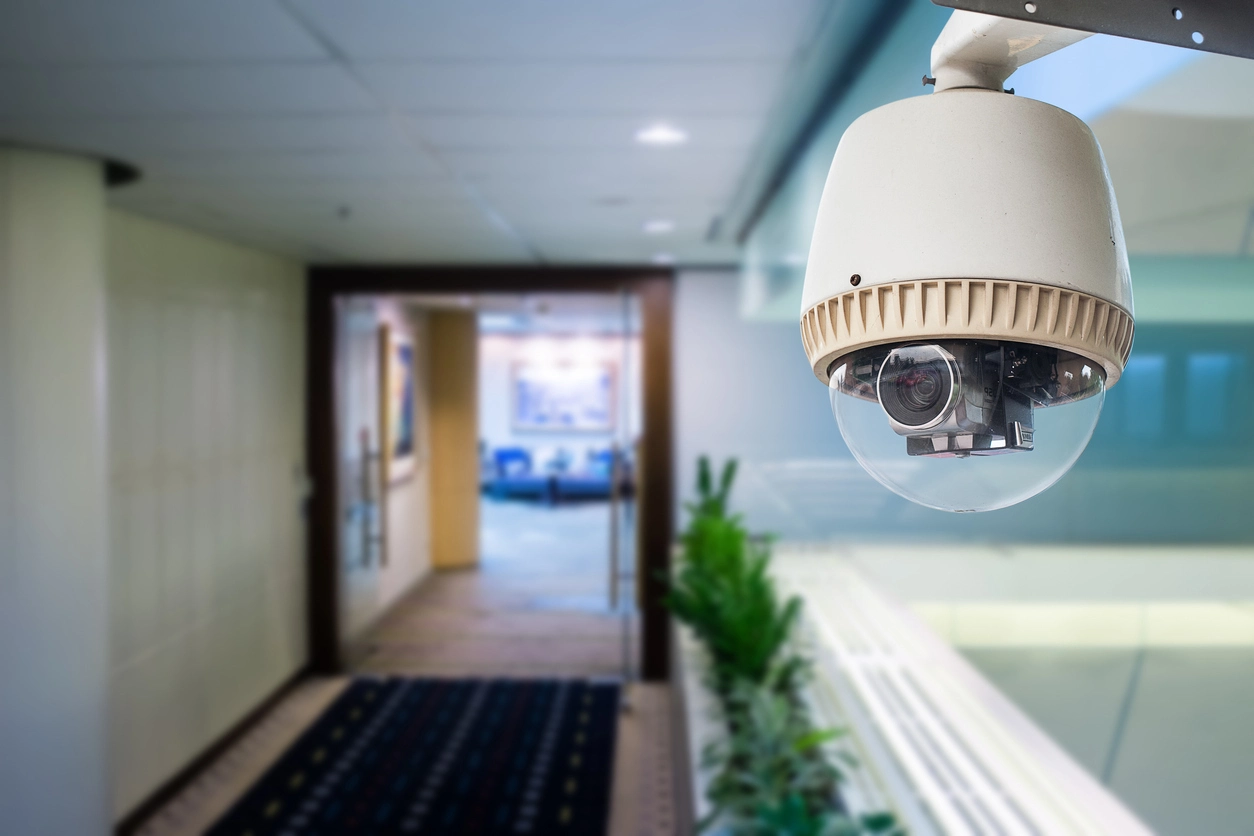
Improve visibility near shared spaces, report areas, equipment rooms, and evidence-adjacent facility zones.
Planning Considerations
Police department camera systems should support public access visibility, staff security, and reviewable footage across sensitive areas.
Police facilities may require a mix of interior, exterior, public-facing, and restricted-area coverage. Camera placement should support visibility where activity needs to be reviewed without interfering with department operations.
Camera Security Now helps police departments evaluate surveillance systems that fit the building layout, access control needs, vehicle areas, and long-term footage review expectations.
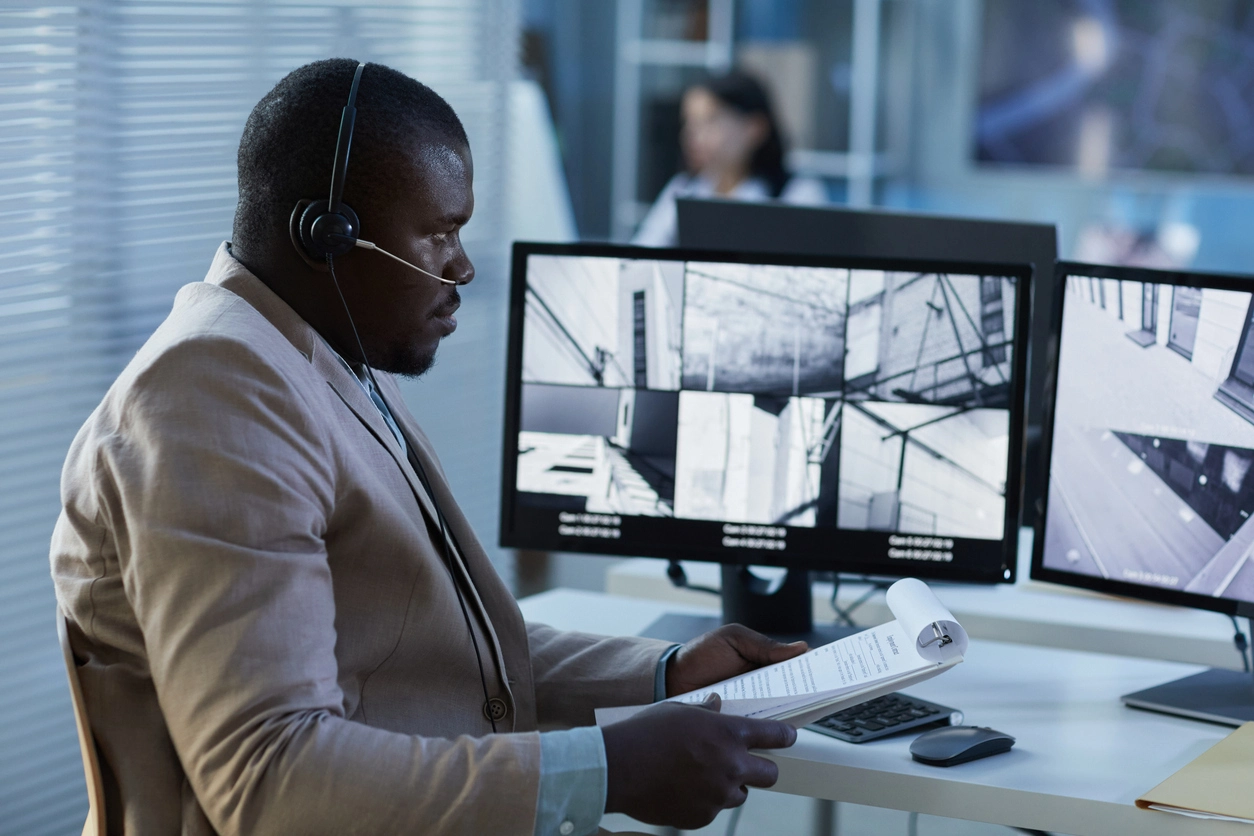
Public safety facilities often require careful planning around access, visibility, retention, and exterior coverage.
Lobby and counter cameras can help review interactions and support public-facing facility awareness.
Staff-only areas, evidence-adjacent rooms, and controlled corridors may require targeted visibility.
Parking lots, exterior doors, patrol vehicle areas, and service zones are often important coverage points.
Authorized staff may need footage for incident review, access verification, and facility accountability.
Police department surveillance often overlaps with dispatch, courthouse, jail, and broader public-sector security planning.
Police department surveillance systems help agencies improve visibility across public, staff, vehicle, and controlled facility areas.
Police departments often need surveillance coverage for public entrances, lobbies, parking lots, staff areas, vehicle zones, exterior doors, restricted corridors, and evidence-adjacent spaces. Each area has different visibility and review requirements.
A police department camera system should be planned around the facility layout, access policies, public interaction points, vehicle movement, and the need for recorded footage after incidents.
Camera Security Now helps public safety agencies evaluate practical security camera systems for police stations, municipal law enforcement facilities, and related government buildings.
Get answers to common questions about this security camera solution.
Common locations include public entrances, lobbies, counters, parking lots, vehicle areas, staff-only doors, restricted corridors, and evidence-adjacent spaces.
Yes. Cameras can support visibility around badge readers, restricted doors, staff entrances, secured areas, and controlled access points.
Many police department projects include exterior coverage for parking lots, patrol vehicle areas, service doors, public approaches, and staff entrances.
Yes. Recorded video can help authorized personnel review access events, public interactions, facility activity, and reported incidents.
Tell us about your facility layout, public areas, vehicle zones, controlled spaces, and monitoring goals. We’ll help you evaluate police department surveillance options.