
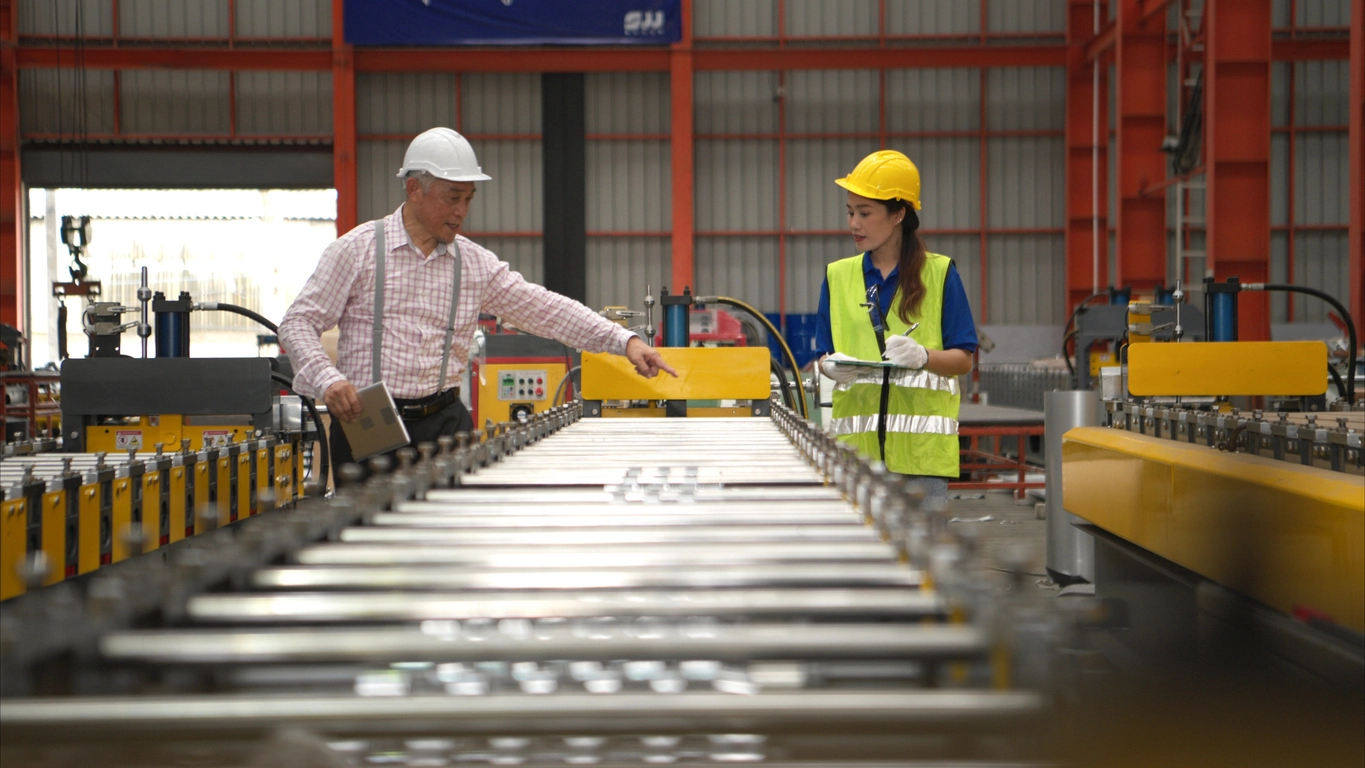
Workflow Observation
Capture how people, materials, tools, and equipment move through the improvement area so teams can review actual workflow instead of relying only on memory.
Kaizen Blitz Cameras & Rapid Process Improvement Visibility
Camera Security Now helps manufacturing teams use camera visibility to support Kaizen Blitz events, rapid process improvement, workflow observation, bottleneck review, standard work, and team collaboration.
A Kaizen Blitz depends on clear observation. When teams can see how work actually happens, they can identify wasted motion, waiting, rework, travel, handoff issues, and layout problems faster.
Cameras can provide a repeatable visual record that helps improvement teams move beyond assumptions. Footage can be reviewed during the event, used to compare changes, and referenced later for training and standard work.
Camera Security Now helps manufacturing teams evaluate camera setups that support focused improvement work without overcomplicating the project.
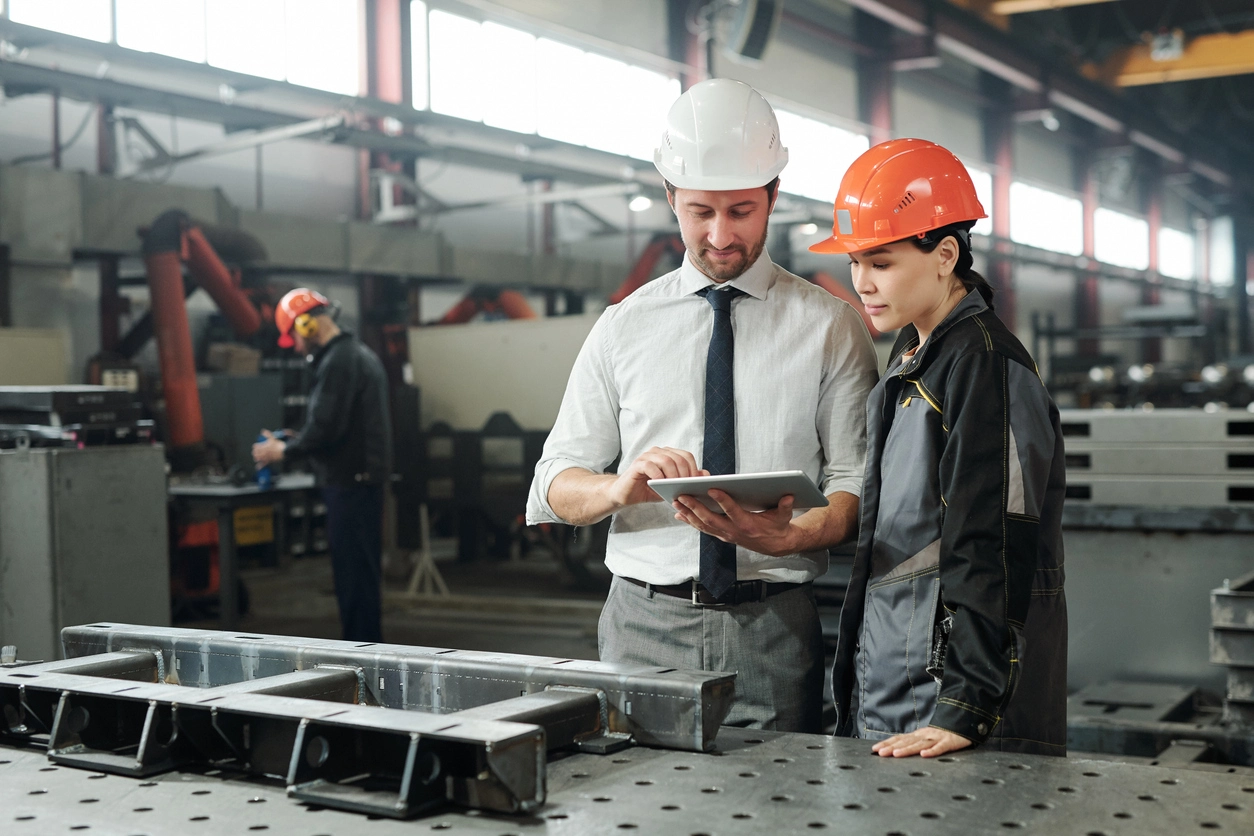
Video gives teams a clearer way to observe work, review improvements, and align around the process changes being tested.
Capture what actually happens on the floor so teams can make improvement decisions from visible evidence.
Review before-and-after conditions to evaluate whether changes improved motion, flow, safety, or output.
Use recorded examples to reinforce improved methods, training, and follow-up accountability.
Camera coverage can help improvement teams observe, review, and document the most important parts of a rapid improvement event.
Capture how people, materials, tools, and equipment move through the improvement area so teams can review actual workflow instead of relying only on memory.
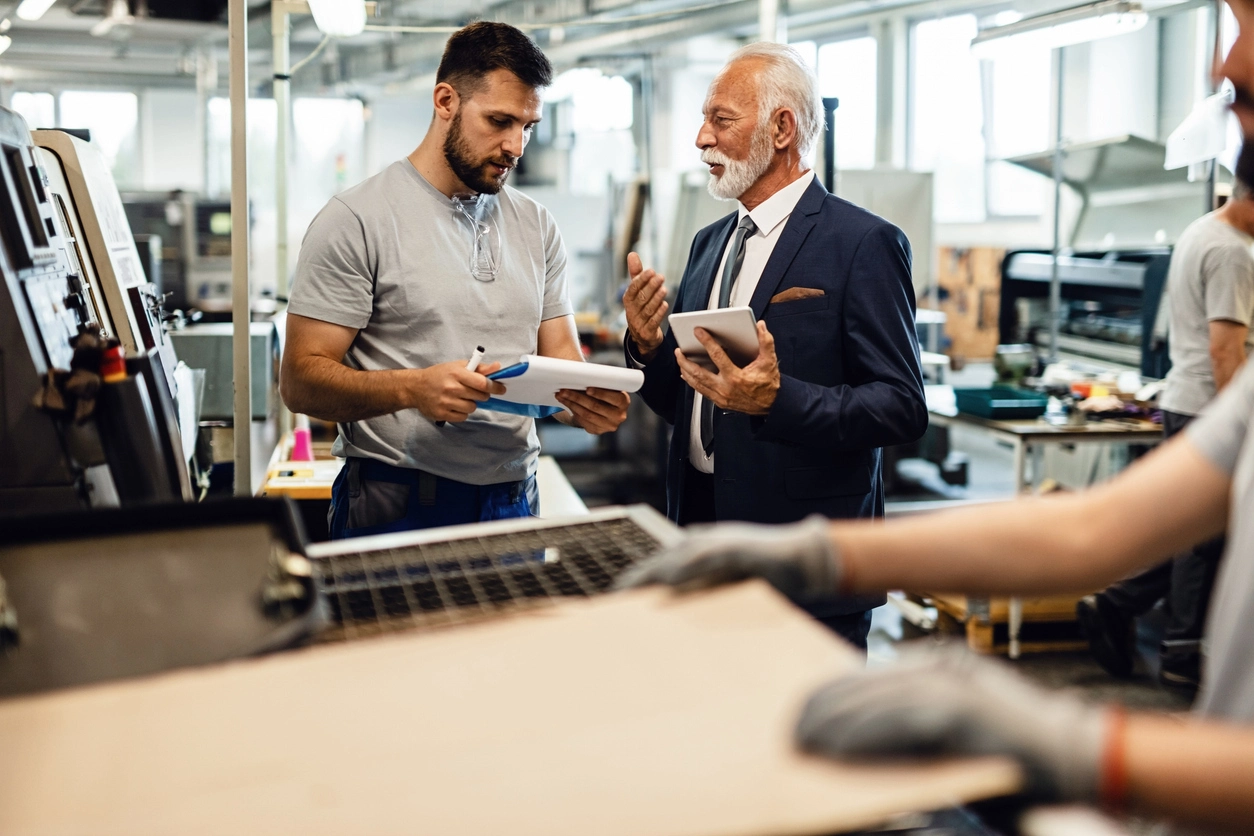
Use recorded video to compare conditions before, during, and after a Kaizen Blitz so changes can be evaluated with clearer visual evidence.

Review footage to identify waiting, congestion, rework, handoff delays, and other issues that slow production or create unnecessary effort.
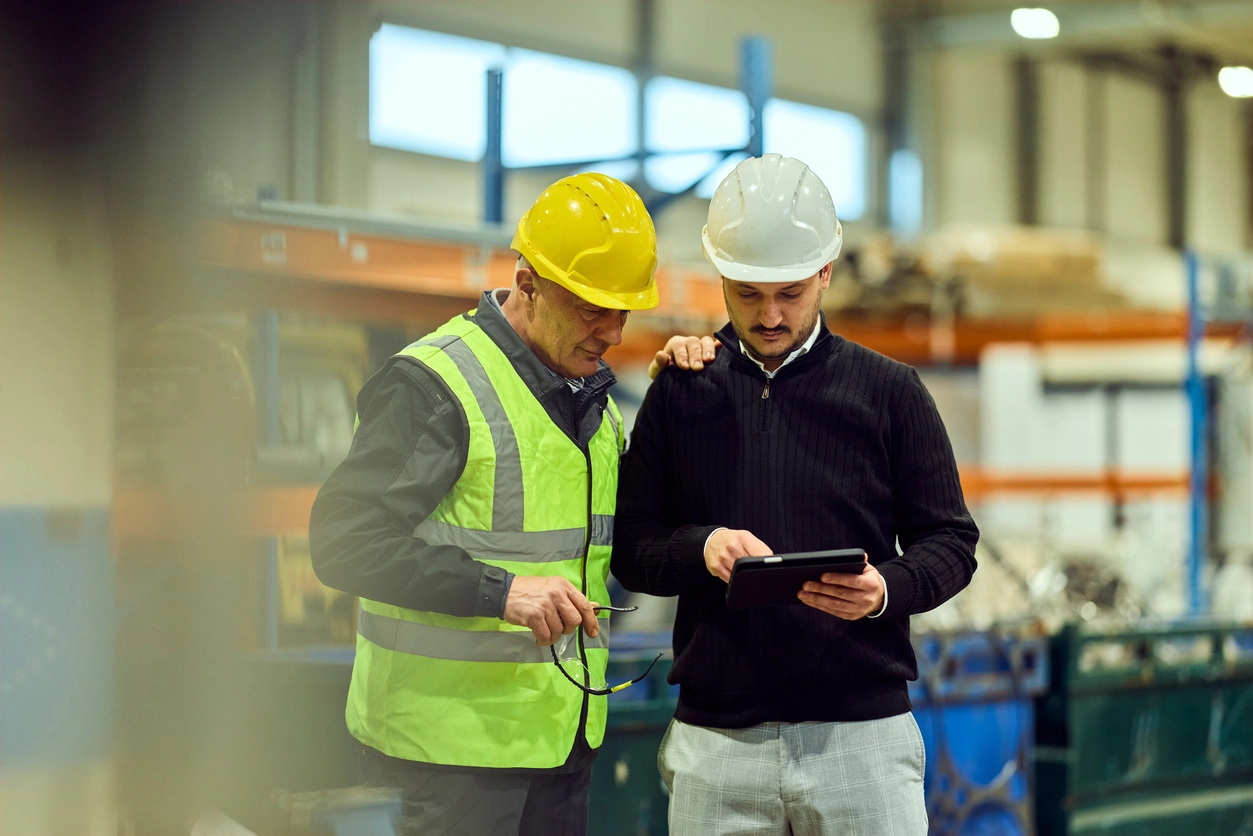
Video review gives teams a shared reference point for discussing observations, validating changes, and aligning on the next improvement step.
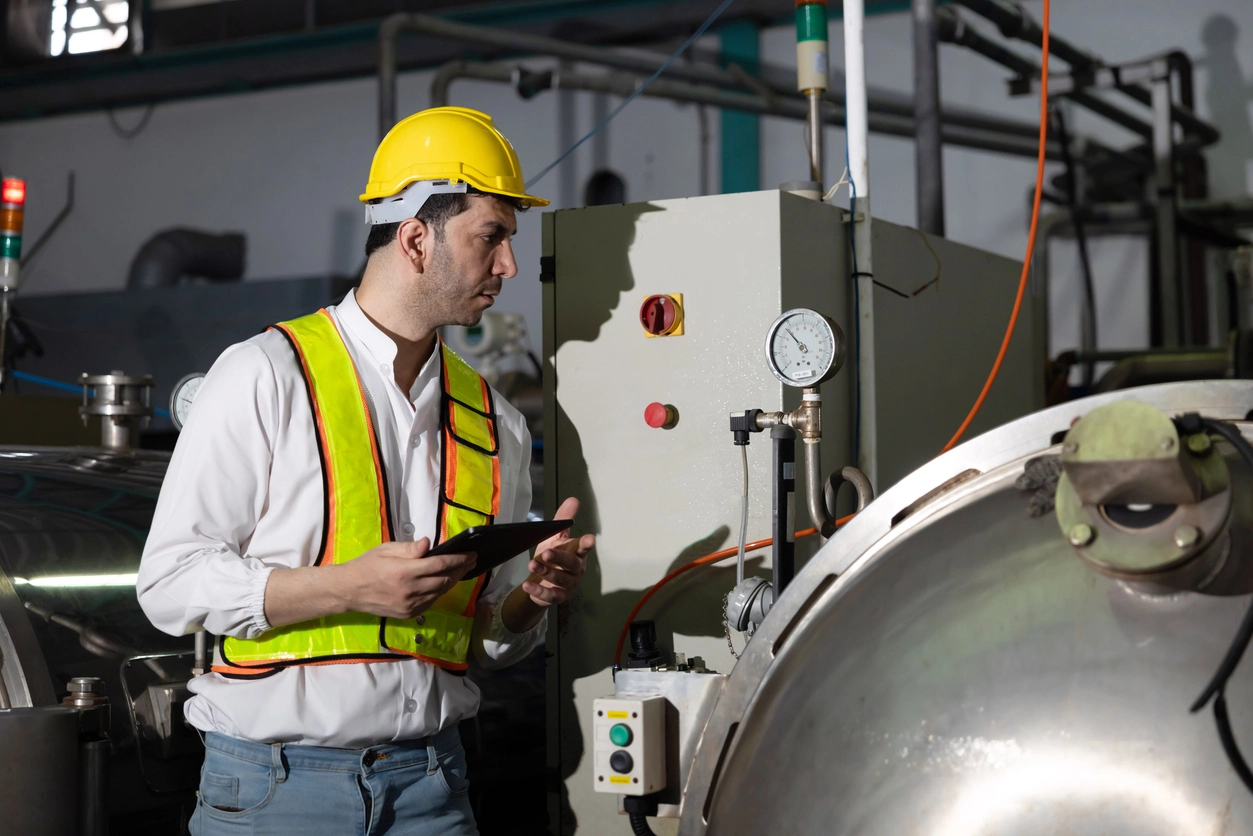
Recorded examples of improved workflows can help support training, standard work documentation, and better consistency after the event.
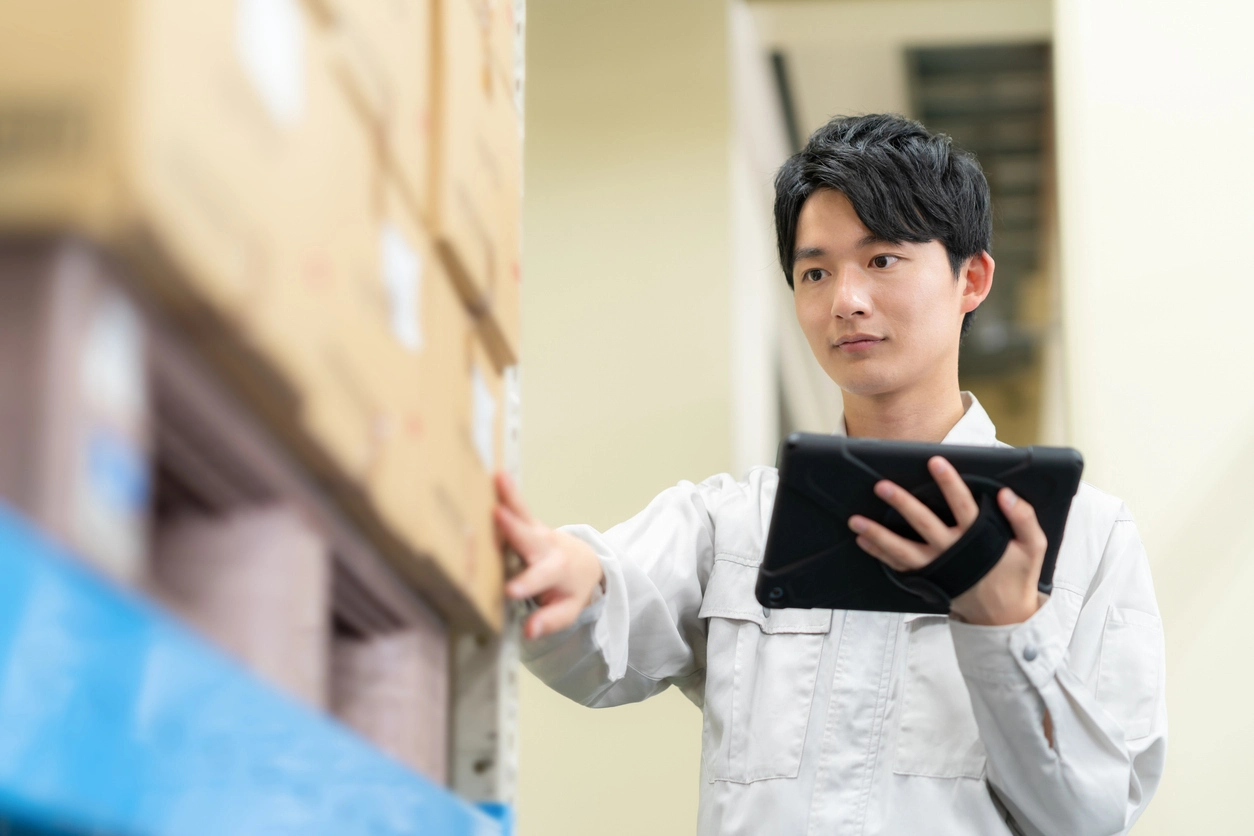
Remote viewing can help managers, engineers, and leadership observe improvement activity when they cannot be physically present at every stage.
The right camera plan depends on the improvement area, the review goals, and how the footage will be used.
Share the process, work area, improvement goals, and timeline for the event.
We help you think through viewing angles, process flow, review priorities, and whether coverage should be temporary or ongoing.
You get a clear path for capturing the footage your team needs for the improvement event.
Teams can review footage, validate changes, document improvements, and support follow-up training.
Camera visibility can support teams working to improve flow, reduce waste, and document rapid operational changes.
Kaizen Blitz teams can use video to study workflow quickly and make practical improvements during short, focused improvement windows.
Lean teams can use camera visibility to support observation, waste reduction, standard work, and continuous improvement.
Camera review can help teams understand how operators, parts, tools, and machines interact in a defined work area.
Video can support review of staging, travel paths, replenishment, handoffs, and material movement during improvement projects.
Recorded process examples can help reinforce updated workflows after the Kaizen Blitz is complete.
Operations, engineering, safety, and management teams can use footage to align around the same observed facts.
Video can make improvement work more practical by giving teams a shared view of how the process performs.
Kaizen Blitz events move quickly. Teams often need to observe a process, identify issues, test changes, and communicate results in a short period of time. Camera footage can help support each of those steps by making the work visible and reviewable.
A well-planned camera setup can help teams study operator motion, material travel, staging, handoffs, changeover activity, safety exposure, and production flow. Footage can also help compare old and new layouts or reinforce improved procedures after the event.
Camera Security Now helps manufacturers evaluate camera systems that support Kaizen Blitz events, continuous improvement programs, training, and manufacturing visibility.
These related resources can help manufacturing teams plan broader visibility around process improvement.
Use camera visibility to identify bottlenecks, improve workflows, and support continuous improvement.
Explore Process Improvement →Use video review to identify transportation, inventory, motion, waiting, overproduction, overprocessing, and defects.
Explore TIM WOOD Cameras →Plan broader plant-wide camera coverage for production, inventory, entrances, restricted areas, and operations.
Explore Manufacturing Cameras →Common questions from manufacturing teams evaluating cameras for Kaizen Blitz events.
Cameras can help teams observe real workflow, review bottlenecks, compare before-and-after conditions, and document improvements made during a rapid improvement event.
Yes. Video can make waiting, excess motion, unnecessary travel, rework, and handoff delays easier to identify and discuss.
Yes. Footage can support training, standard work documentation, leadership review, and follow-up improvement planning.
Some projects may use temporary or focused camera coverage for a specific improvement event, while others may use existing or permanent manufacturing surveillance.
Many systems support remote viewing, which can help leadership or support teams observe progress when appropriate.
Tell us about your improvement area, timeline, and review goals. We’ll help you plan camera coverage that supports the event.