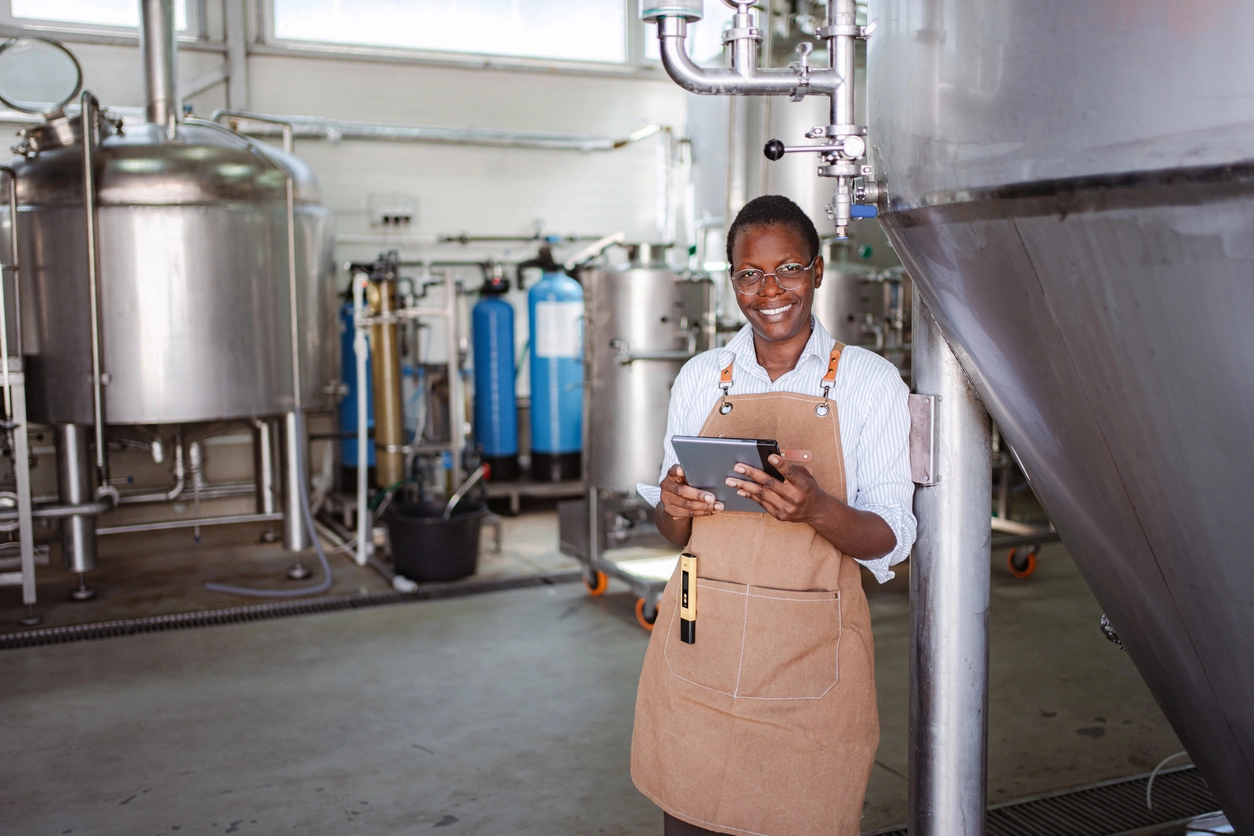
Workflow Analysis
Use video to observe how people, materials, tools, and equipment move through the process so teams can identify opportunities for improvement.
Manufacturing Process Improvement Cameras
Camera Security Now helps manufacturing teams use camera visibility to improve workflows, identify bottlenecks, reduce waste, support training, validate process changes, and strengthen continuous improvement efforts.
Process improvement depends on clear observation. Cameras can help teams study real production activity, material flow, operator movement, waiting, rework, handoffs, and the small details that are easy to miss during a floor walk.
Video gives teams a repeatable way to review work as it happened, compare process changes, and build shared understanding around what needs to improve.
Camera Security Now helps manufacturers evaluate camera systems that support process visibility, Lean initiatives, operational review, and ongoing improvement work.
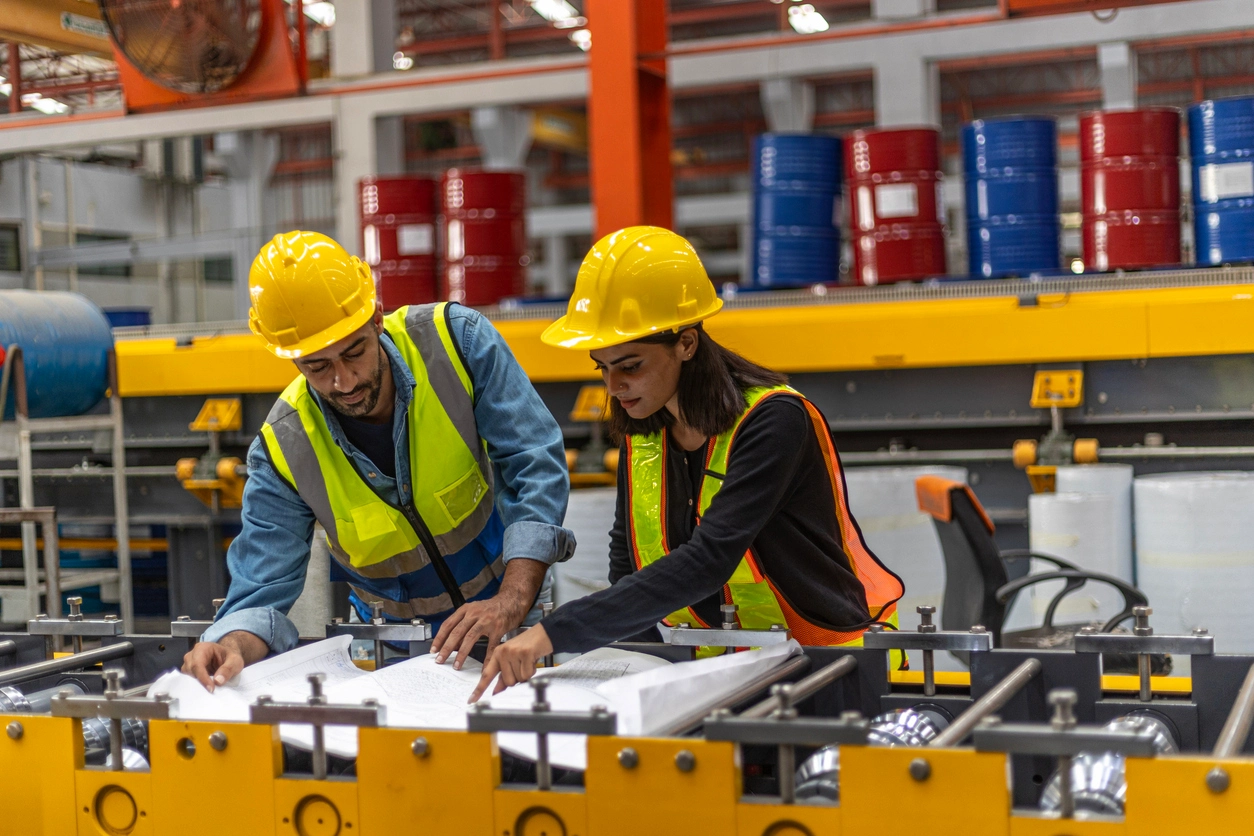
Cameras can help improvement teams identify problems faster, validate changes, and create a clearer record of how work is performed.
Review waiting, slow handoffs, congestion, and repeated delays that limit production flow.
Study unnecessary motion, travel, inventory movement, rework, and process steps that do not add value.
Compare before-and-after conditions to see whether layout, workflow, or training changes are having the intended effect.
Camera coverage can support practical improvement work across production, warehouse, material handling, and operational review areas.
Use video to observe how people, materials, tools, and equipment move through the process so teams can identify opportunities for improvement.
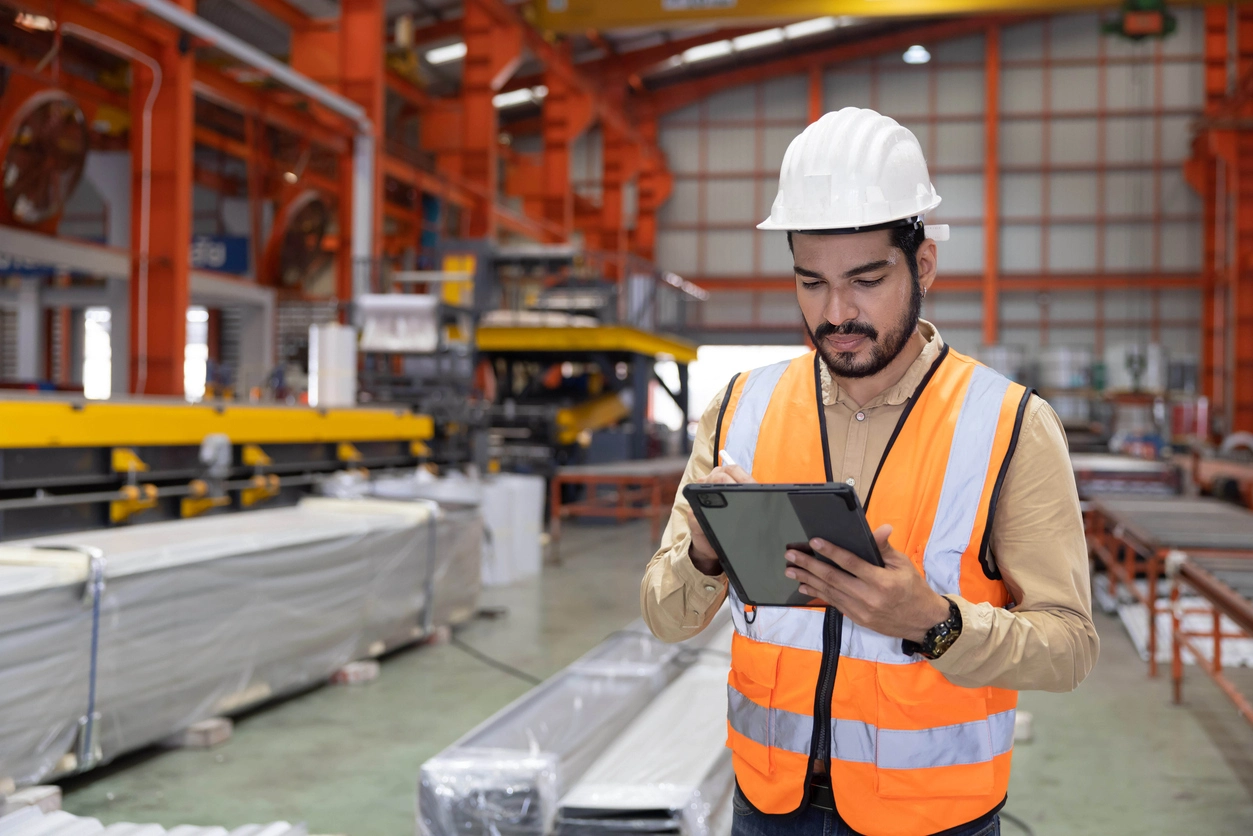
Review footage to identify congestion, waiting, rework, slow handoffs, travel delays, and other issues that reduce throughput.
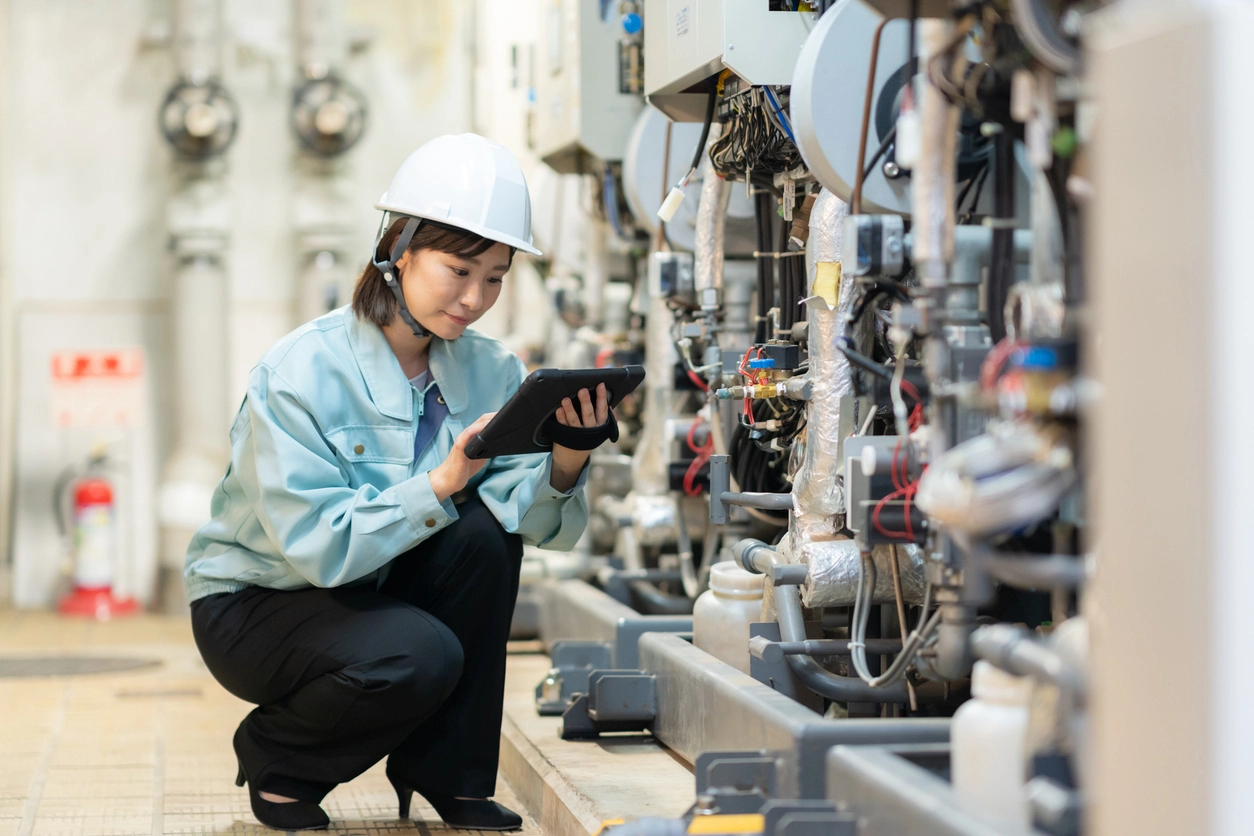
Camera footage can help teams study operator movement, material travel, and workstation layout to reduce unnecessary motion.

Recorded examples of improved workflows can support training, onboarding, best practices, and standard work documentation.
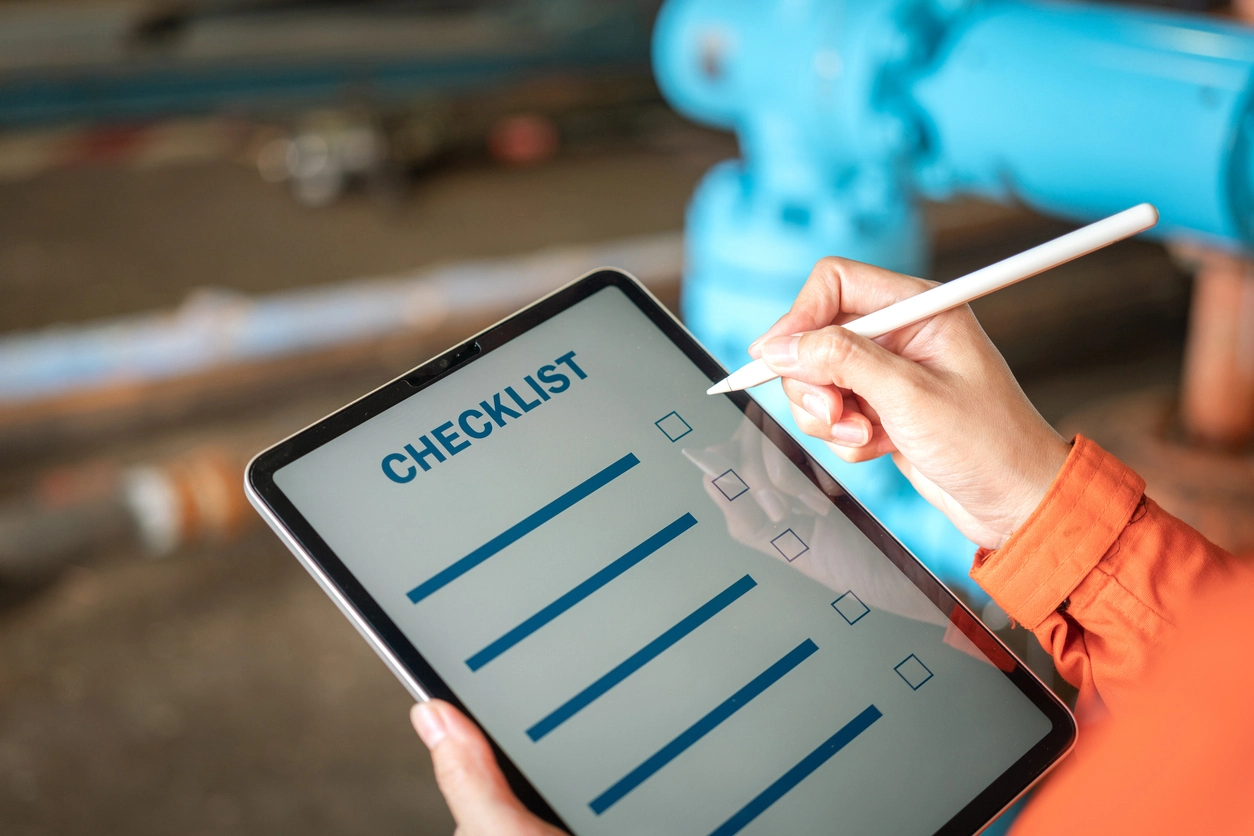
Video can help teams compare process conditions before and after changes are made to determine whether improvements are working.
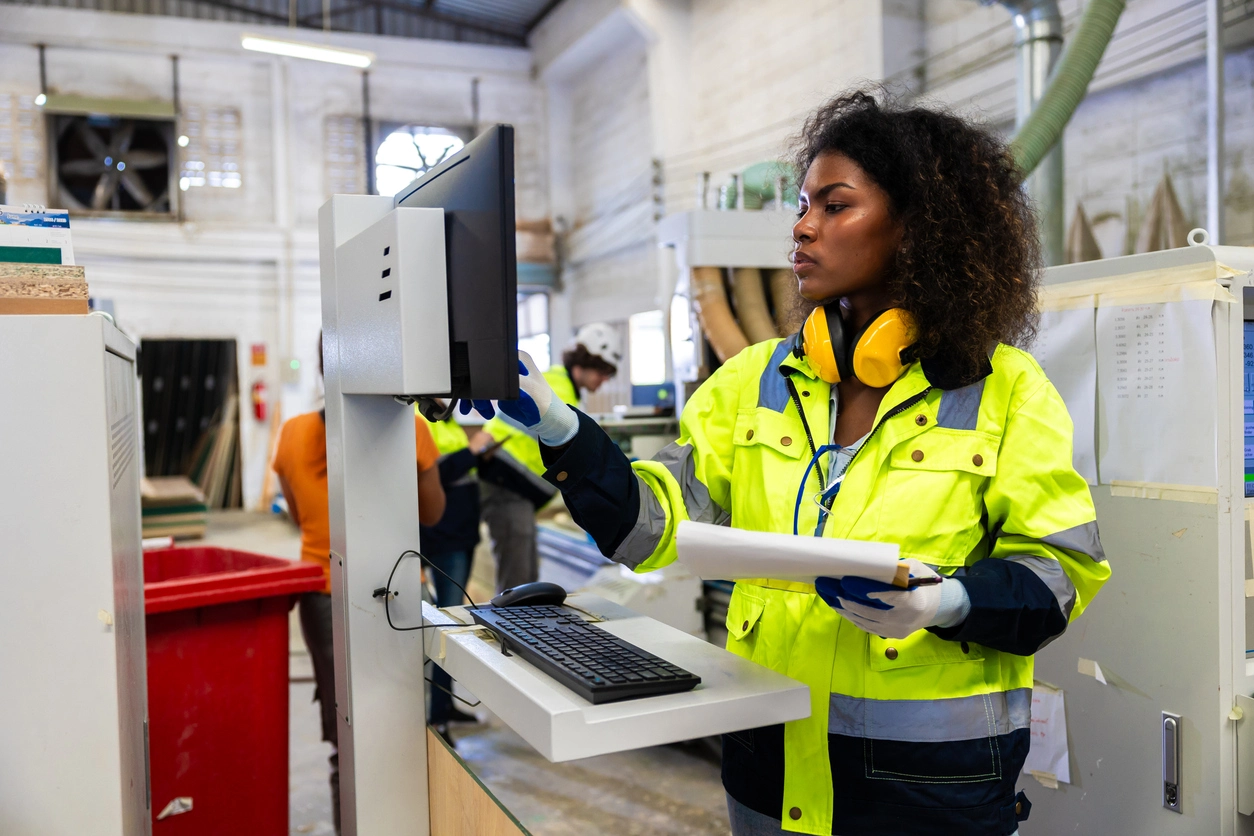
Remote viewing can help managers, engineers, and improvement teams review process activity when they cannot be physically present.
The right camera setup depends on the process, the review goal, and how the team plans to use the footage.
Share the process area, the challenges you want to study, and how your team plans to use video.
We help you think through viewing angles, bottleneck areas, material movement, operator motion, and review priorities.
You get a clearer path for capturing footage that supports the improvement work.
Your team can review, compare, train, document, and improve with clearer visual context.
Camera visibility can support teams focused on improving production flow, reducing waste, and documenting better methods.
Teams can use video to observe real work, compare changes, and support practical improvement decisions.
Lean teams can use camera visibility to identify waste, improve flow, and reinforce standard work.
Process engineers and operations leaders can review workflows with a clearer visual record of what is happening on the floor.
Camera coverage can support review of workstations, handoffs, machine interaction, and production flow.
Video can help teams improve staging, replenishment, picking, travel paths, and material movement.
Recorded examples can help document best practices and support future process improvement work.
Video can help manufacturing teams move from assumptions to clearer visual evidence.
Process improvement work often depends on understanding the difference between how a process is expected to run and how it actually runs. Camera footage can help reveal delays, repeated motion, layout friction, material travel, downtime, rework, and inconsistent methods.
With the right camera coverage, teams can compare changes over time, improve training, reinforce standard work, and support Lean, Six Sigma, Kaizen, and operational excellence efforts with better visual context.
Camera Security Now helps manufacturers evaluate surveillance systems for process improvement, workflow analysis, bottleneck review, training support, remote viewing, and broader manufacturing visibility.
These related resources can help manufacturing teams plan camera visibility around improvement events, waste reduction, and plant operations.
Use camera visibility during rapid improvement events, workflow reviews, and team-based process changes.
Explore Kaizen Blitz Cameras →Use video to review transportation, inventory, motion, waiting, overproduction, overprocessing, and defects.
Explore TIM WOOD Cameras →Plan broader plant-wide camera coverage for production, inventory, entrances, restricted areas, and operations.
Explore Manufacturing Cameras →Common questions from manufacturing teams evaluating cameras for process improvement.
Cameras help teams observe real workflows, identify bottlenecks, review unnecessary motion, compare process changes, and document improved methods.
Yes. Video can make waiting, excess motion, unnecessary travel, rework, and handoff issues easier to see and discuss.
Yes. Recorded footage can help document improved processes, support employee training, and reinforce standard work.
Some projects may use temporary camera coverage for a specific improvement initiative, while others may use permanent cameras for ongoing visibility.
Many systems support remote viewing, which can help managers, engineers, and continuous improvement teams review operations when appropriate.
Tell us about your process area, bottlenecks, and improvement goals. We’ll help you plan camera coverage that supports better decisions.