Server Room Surveillance
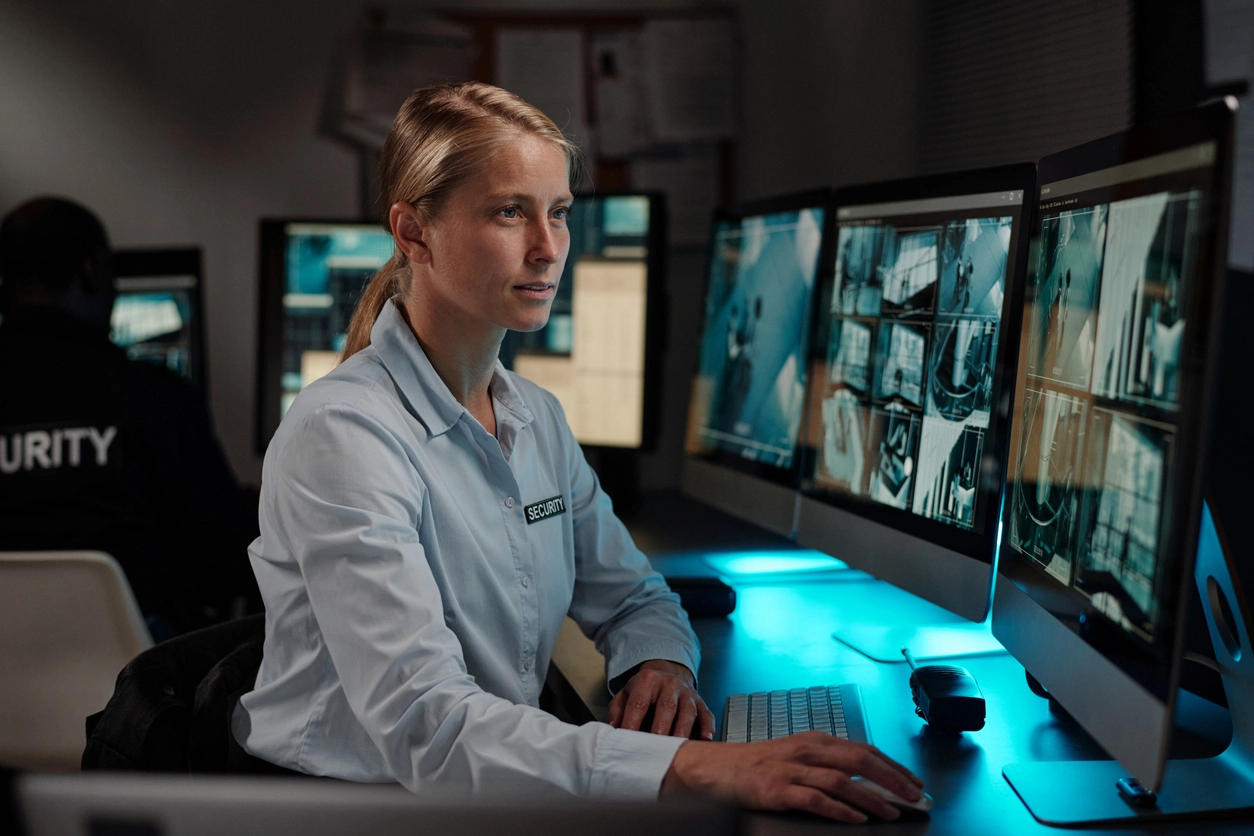
Monitor server rooms, network closets, and critical infrastructure spaces where access accountability and incident review are especially important.
Data Center Security Cameras & Critical Facility Surveillance
Camera Security Now helps data centers, server rooms, colocation facilities, and critical infrastructure environments evaluate security camera systems for controlled entrances, server spaces, equipment rooms, loading areas, perimeter visibility, remote monitoring, and incident review.
Data centers require security planning that goes beyond general building coverage. The most important areas often include secured entrances, server rooms, network closets, loading docks, equipment rooms, exterior approaches, and other spaces where visibility, accountability, and reviewable footage matter.
A well-planned data center camera system can help teams monitor access points, review vendor activity, document equipment movement, support after-hours awareness, and maintain visibility around sensitive infrastructure without relying on a one-size-fits all layout.
Camera Security Now helps buyers evaluate commercial surveillance and access control considerations for data center environments, from smaller server rooms to larger technology campuses and mission-critical facilities.
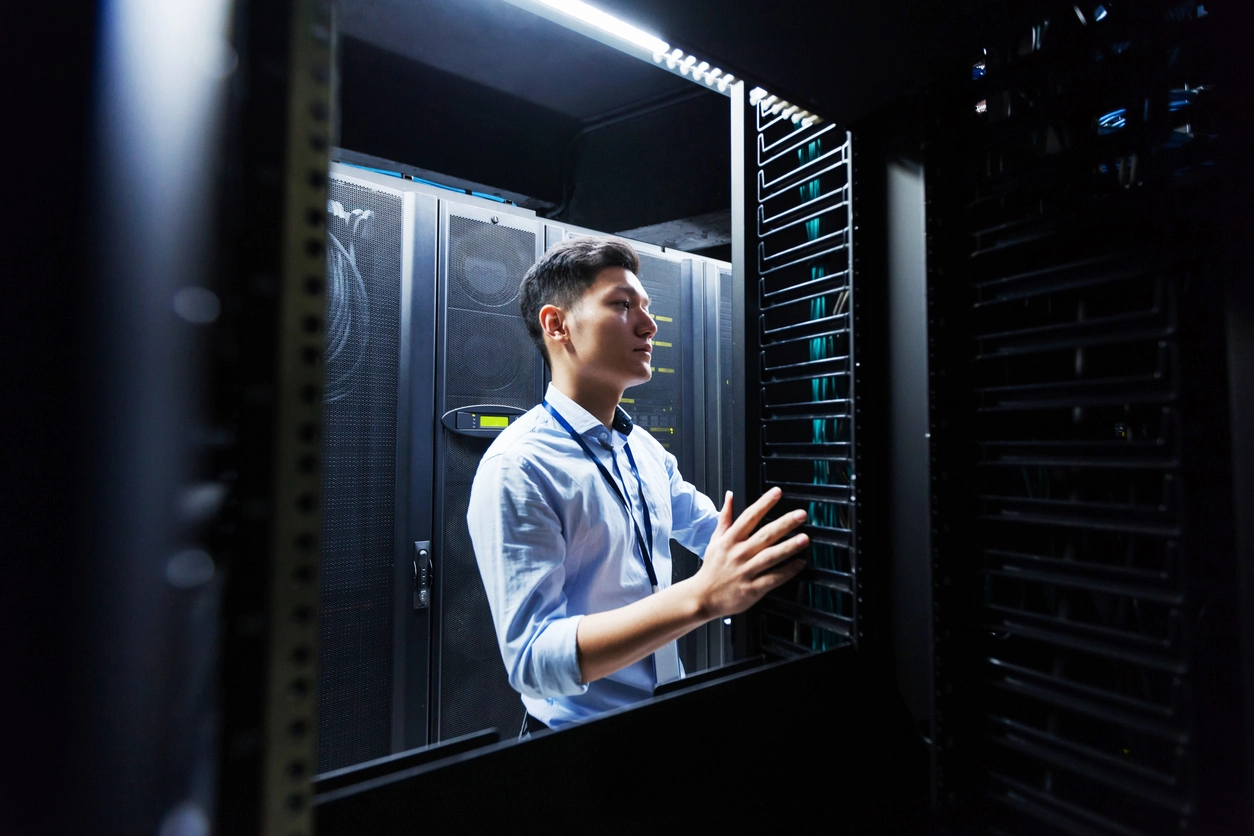
Data center surveillance is often focused on controlled access, critical infrastructure visibility, vendor accountability, and reviewable footage for sensitive areas.
Monitor badge entry areas, secured doors, mantraps, reception points, and controlled spaces where access accountability matters.
Capture activity around server rooms, equipment spaces, loading areas, and infrastructure zones for incident review and operational awareness.
Data center projects often require exterior visibility around fencing, parking, service entrances, vehicle approaches, and perimeter routes.
These are common areas where data center operators and facility teams evaluate security cameras, surveillance coverage, and access control coordination.
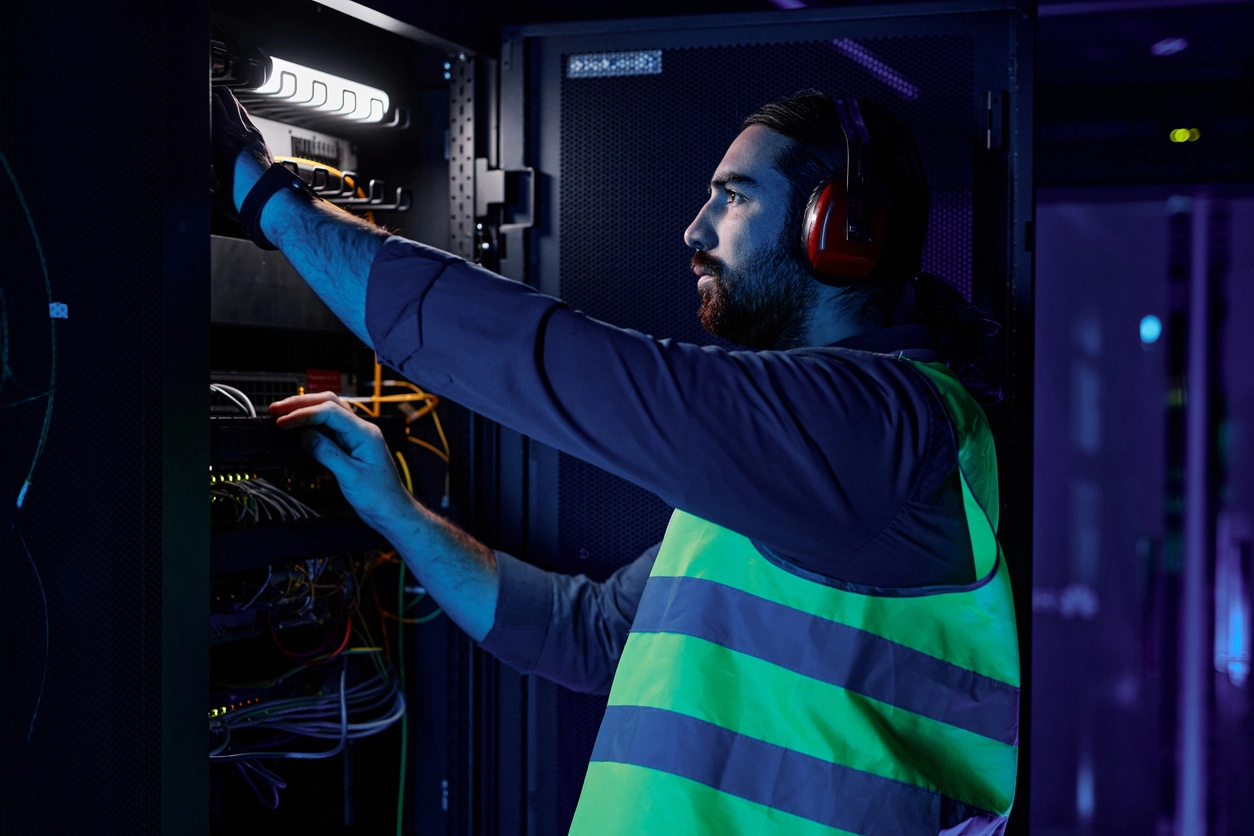
Monitor server rooms, network closets, and critical infrastructure spaces where access accountability and incident review are especially important.

Pair cameras with access control planning to improve visibility at secured doors, badge entry points, mantraps, and restricted facility entrances.

Improve visibility around electrical rooms, telecom spaces, cooling equipment, backup systems, and other sensitive infrastructure areas.

Document deliveries, vendor visits, hardware movement, and loading dock activity with camera coverage designed for review and accountability.

Support exterior awareness around fenced areas, employee parking, service entrances, vehicle approaches, and other perimeter zones.

Help facility teams, security managers, and authorized stakeholders review footage and maintain visibility across critical areas.
Data center surveillance planning should reflect the facility layout, access model, infrastructure sensitivity, and footage review requirements.
Data center surveillance needs vary by building size, operating model, access policies, and the type of infrastructure being protected.
Large-scale facilities often need layered camera coverage across entrances, server spaces, equipment rooms, loading areas, and exterior zones.
Colocation environments often require strong access visibility and reviewable footage around shared, tenant, and restricted areas.
Smaller facilities may still need focused surveillance around internal IT rooms, network racks, and controlled access points.
Large technology campuses may need scalable surveillance planning across multiple buildings, perimeter routes, and operational spaces.
Electrical rooms, cooling systems, generators, battery rooms, and telecom spaces often benefit from targeted visibility and incident review.
Camera coverage can help document vendors, deliveries, maintenance visits, and equipment movement into and out of the facility.
Data center environments often require a layered security approach that supports both facility access visibility and sensitive infrastructure review.
Data centers are not typical office buildings or warehouses. They often include restricted entrances, critical IT rooms, equipment spaces, backup systems, loading areas, exterior perimeters, and operating procedures that require a more thoughtful surveillance plan. A camera system should help authorized teams understand what happened, where it happened, and who or what was involved.
For data center operators, colocation providers, technology companies, and organizations with internal server rooms, security cameras can support access accountability, equipment movement review, vendor oversight, after-hours awareness, and practical incident investigation. Camera placement, image clarity, retention, remote access, and access control coordination all matter.
Camera Security Now helps buyers evaluate data center security camera systems that fit the actual facility instead of forcing a generic surveillance layout onto a critical environment.
Data center surveillance often overlaps with warehouse, office, access control, perimeter, and critical facility security planning.
Explore related commercial security camera and surveillance planning resources.
Explore related commercial security camera and surveillance planning resources.
Explore related commercial security camera and surveillance planning resources.
Explore related commercial security camera and surveillance planning resources.
Explore related commercial security camera and surveillance planning resources.
Explore related commercial security camera and surveillance planning resources.
Common questions about data center security cameras, surveillance planning, access visibility, and facility monitoring.
Common data center camera locations include exterior approaches, secured entrances, mantraps, server rooms, network closets, equipment rooms, loading docks, delivery areas, parking areas, and perimeter zones. The right layout depends on the facility design and monitoring goals.
Yes. Data center surveillance is often planned alongside access control so authorized teams can review activity around secured doors, badge readers, restricted areas, and sensitive infrastructure spaces.
Yes. Server rooms, network closets, electrical rooms, cooling equipment areas, and other infrastructure spaces are often priority zones because they support critical systems and may require stronger access accountability.
Yes. Cameras can help document vendor visits, equipment deliveries, hardware movement, loading dock activity, and maintenance access so facility teams have footage available for review.
Warehouse surveillance usually focuses on inventory movement, loading docks, aisles, and operational flow. Data center surveillance is more focused on restricted access, server rooms, infrastructure spaces, controlled entry points, perimeter security, and critical facility visibility.
Many modern systems can support secure remote viewing and footage review for authorized users, depending on the system design, network policies, and facility requirements.
Tell us about your facility, access points, sensitive areas, and monitoring goals. We’ll help you evaluate a security camera system that fits the environment.