
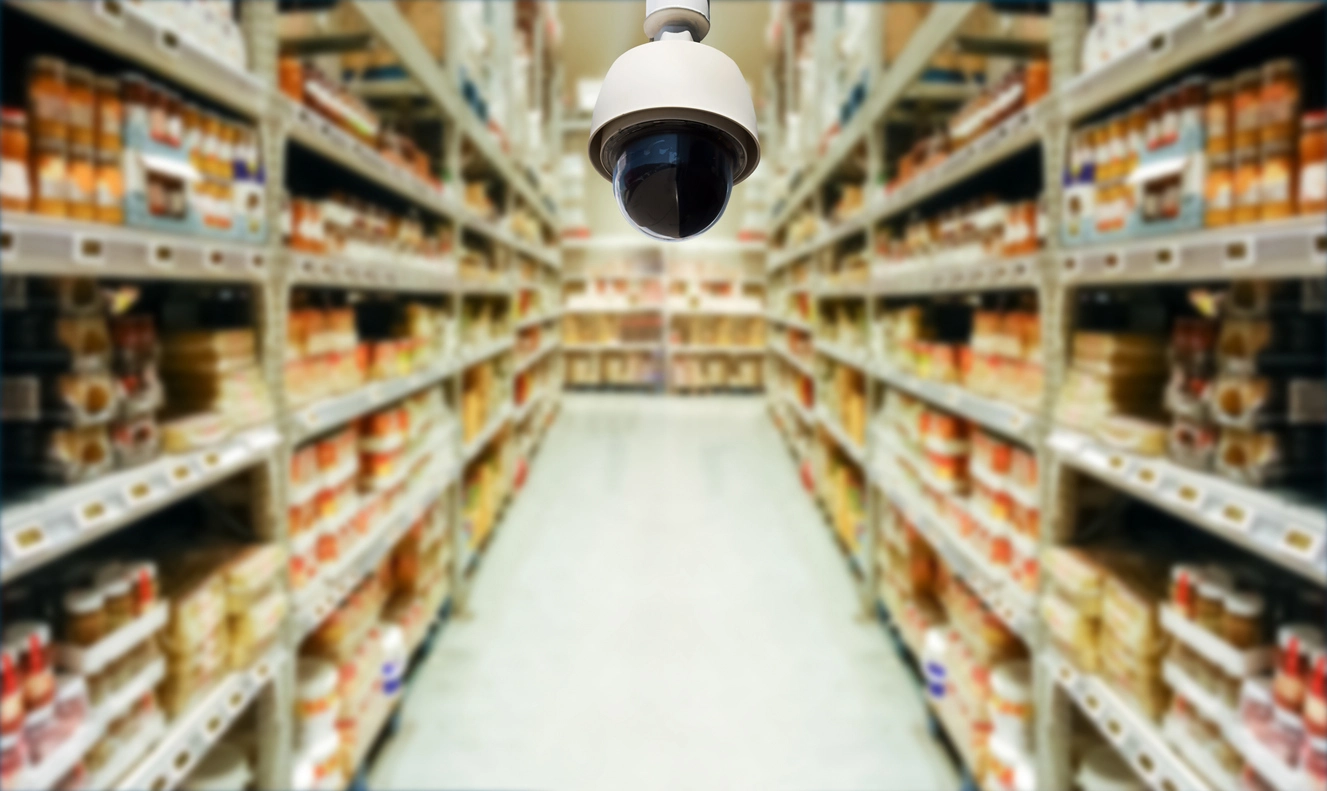
Retail Loss Prevention
Monitor entrances, aisles, registers, stock rooms, customer areas, and employee-only spaces where theft or suspicious activity may occur.
Loss Prevention and Investigation
Camera Security Now helps businesses plan security camera systems for crime deterrence, loss prevention, theft review, suspicious activity monitoring, and post-incident investigation.
Businesses use security cameras for more than general monitoring. Cameras can discourage theft, document suspicious activity, help investigate losses, and provide recorded footage when questions arise.
A useful crime prevention camera system should be planned around the areas where risk is highest: entrances, registers, stock rooms, parking lots, loading docks, employee access points, yards, and exterior approaches.
Camera Security Now helps organizations select cameras, recording systems, storage retention, remote access, and placement strategies that support real-world loss prevention and investigation needs.
A strong camera system can help deter unwanted activity and preserve footage for review when prevention is not enough.
Cameras placed in visible, strategic locations can discourage theft, vandalism, trespassing, and unauthorized access.
Recorded footage can help review what happened, when it happened, and who or what may have been involved.
Remote access and centralized viewing can help managers respond to suspicious activity faster.
Crime prevention camera systems should focus on the areas where theft, access, and property risk are most likely.
Monitor entrances, aisles, registers, stock rooms, customer areas, and employee-only spaces where theft or suspicious activity may occur.
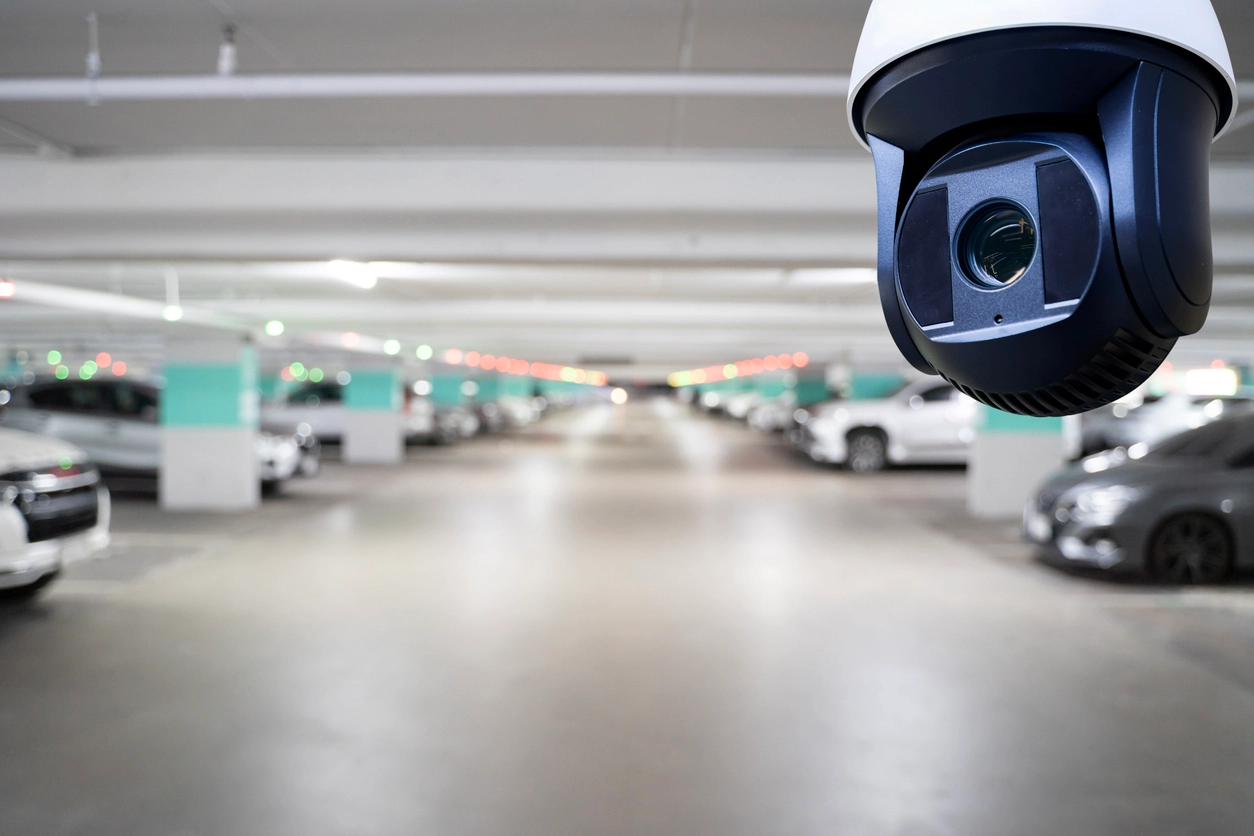
Review vehicle activity, vandalism, trespassing, after-hours movement, theft, and suspicious activity around exterior property areas.
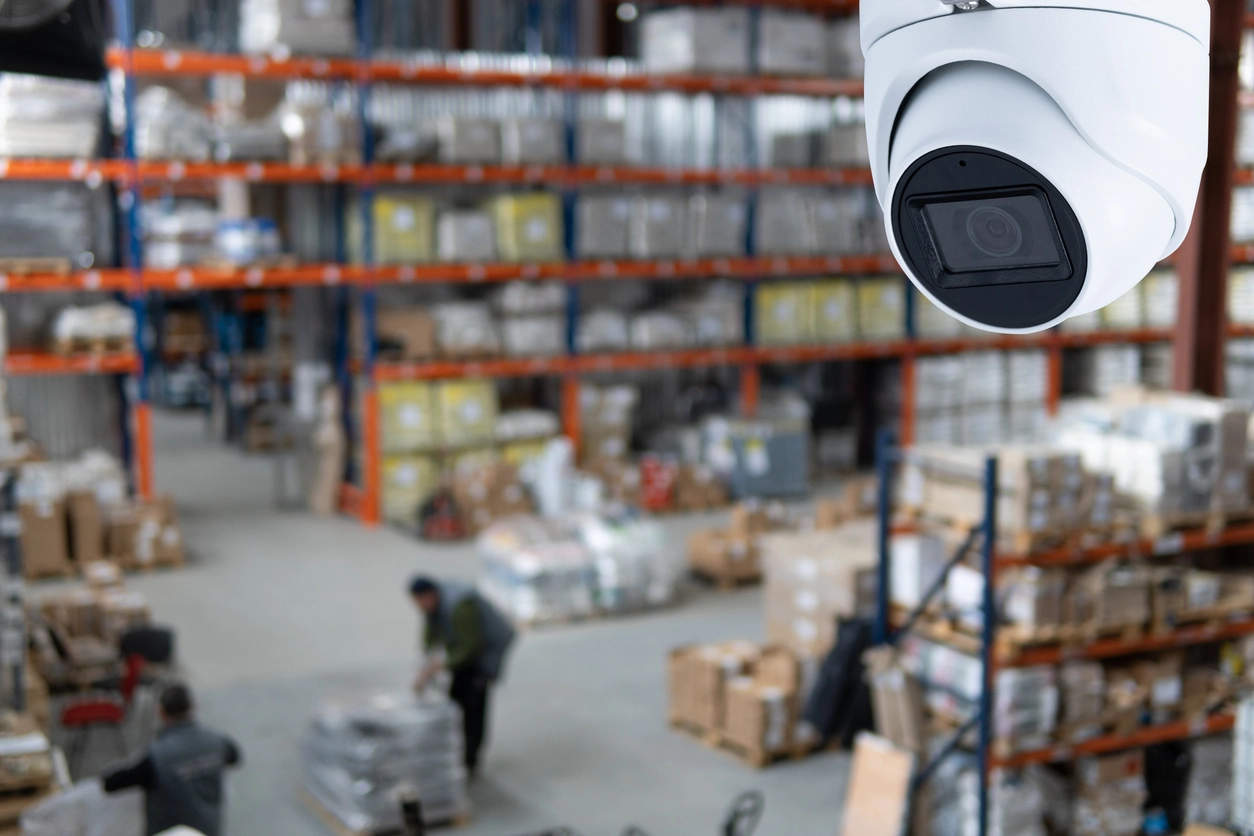
Protect inventory, docks, shipping areas, receiving zones, equipment, and restricted spaces where losses may be costly.
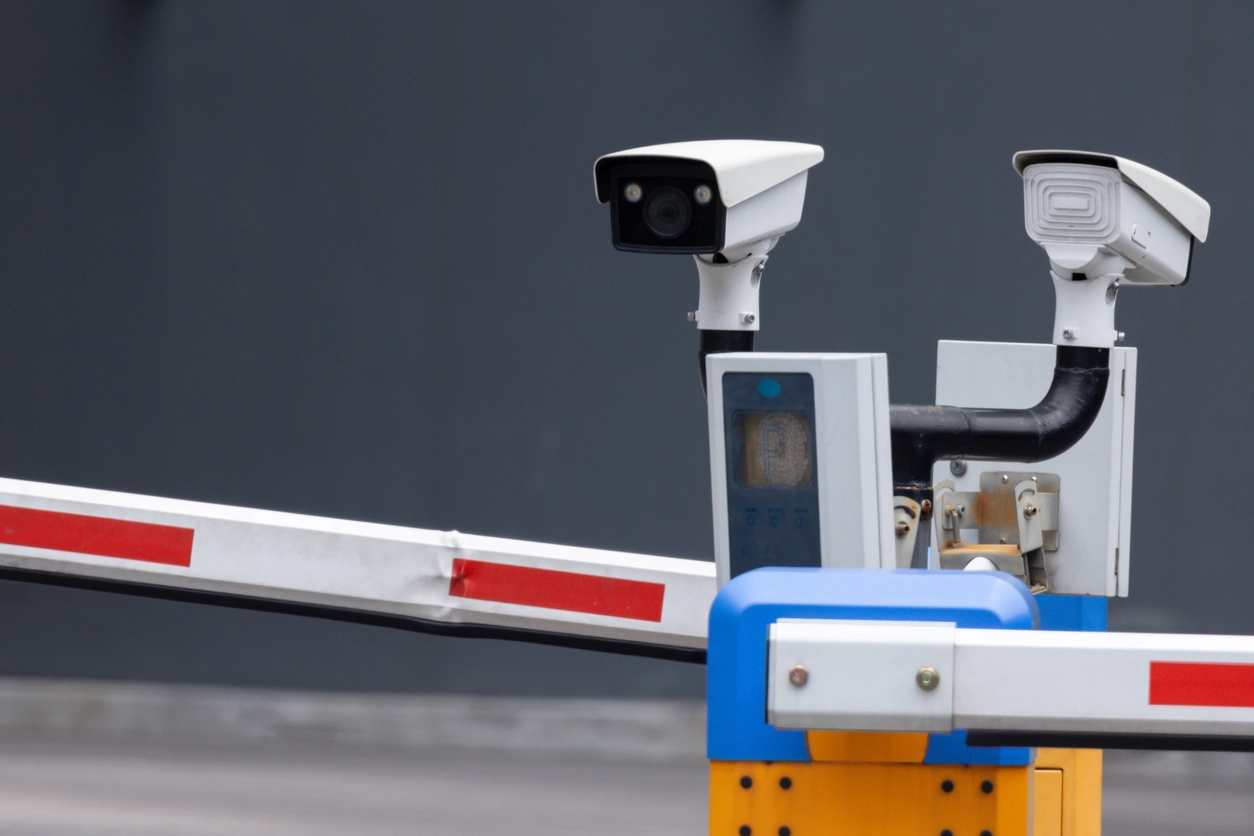
Monitor employee entrances, gates, equipment rooms, cash handling areas, offices, and other controlled spaces.
Planning Considerations
Camera placement, lighting, and storage decisions determine whether footage will be useful later.
A camera system cannot help with investigation if the camera is pointed at the wrong area, the image is too dark, the resolution is too low, or the footage has already been overwritten.
Camera Security Now helps businesses plan around the review process: what needs to be captured, how long footage should be stored, who needs remote access, and which areas need higher detail.
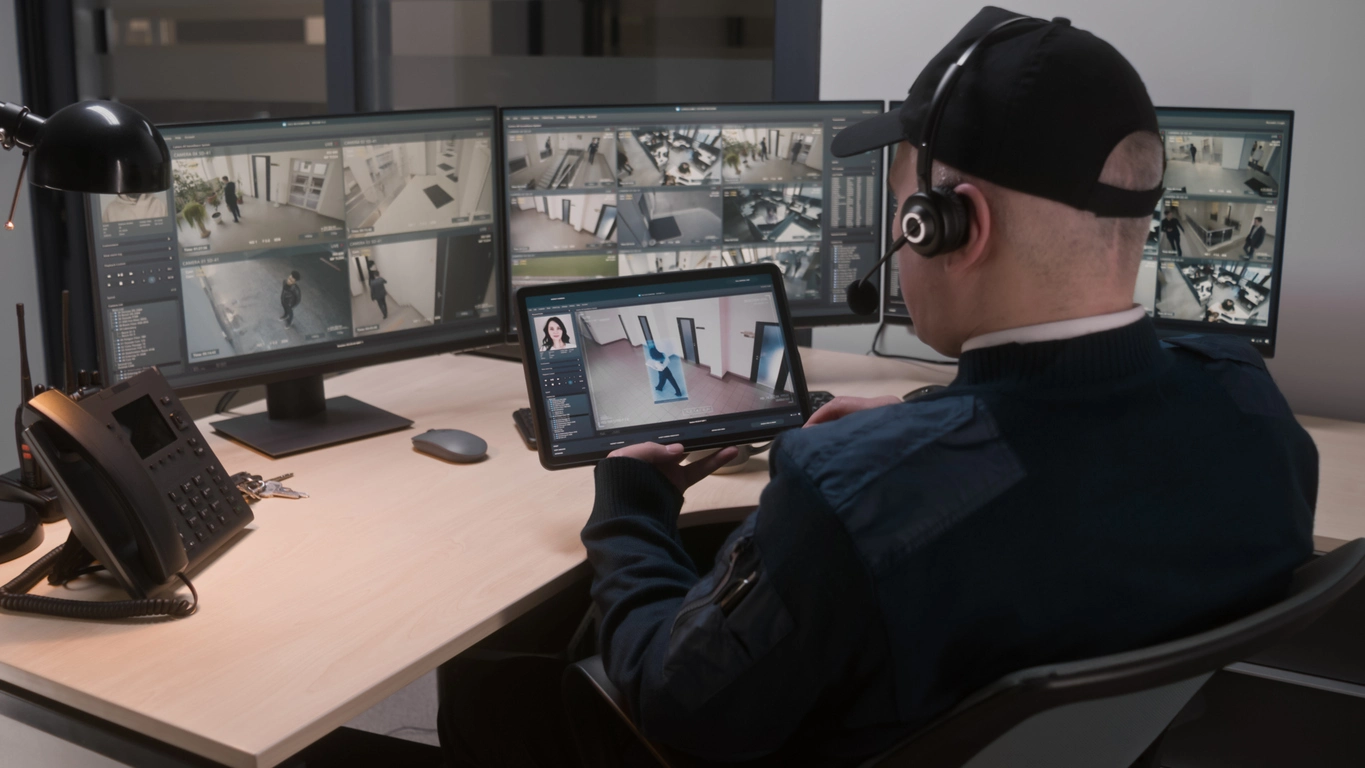
A crime prevention system should balance deterrence, camera detail, storage, coverage, remote access, and visible security presence.
Prioritize entrances, registers, inventory, docks, parking lots, yards, and other areas tied to theft or security risk.
Resolution, lighting, camera angle, and distance affect whether footage is useful during review.
Infrared, full color at night, thermal, and lighting strategies may be needed for exterior or after-hours areas.
Storage should keep video long enough for losses, incidents, or suspicious activity to be discovered and investigated.
Crime prevention camera systems often use high-resolution cameras, night vision, storage, remote access, and parking lot surveillance.
Security cameras help businesses deter crime, review losses, and investigate activity with recorded footage.
Crime prevention and investigation depend on having the right cameras in the right places before an incident happens. Businesses need visibility around entrances, parking lots, inventory areas, registers, loading docks, restricted areas, and exterior access points.
The best camera design depends on the risk. Retail loss prevention may need register and aisle coverage. Warehouses may need dock and inventory views. Parking lots may need weatherproof cameras, night visibility, and license plate recognition.
Camera Security Now helps organizations design camera systems that support deterrence, recording, review, remote access, storage retention, and long-term commercial security goals.
Get answers to common questions about this security camera solution.
Visible security cameras can help deter unwanted activity by showing that a property is monitored. Recorded footage can also support review and investigation after an event occurs.
Common areas include entrances, registers, inventory rooms, stock areas, loading docks, parking lots, employee entrances, customer areas, and exterior access points.
Yes. Recorded footage can help businesses review theft, vandalism, suspicious activity, employee or customer disputes, unauthorized access, and other security incidents.
Useful features may include higher resolution, night vision, license plate recognition, remote access, adequate storage retention, motion recording, and proper camera placement.
Tell us what risks you are trying to reduce and which areas need visibility. We’ll help you plan a practical camera system.