
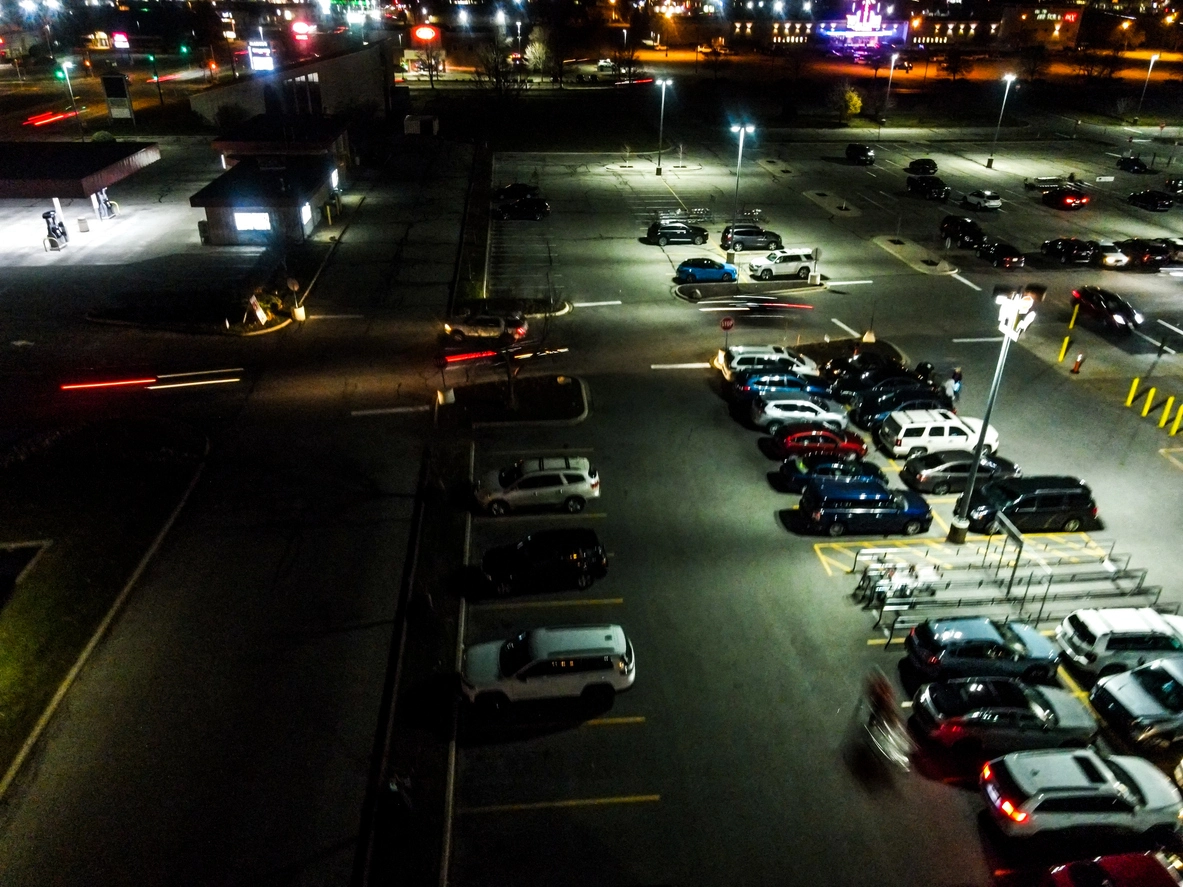
Parking Lots
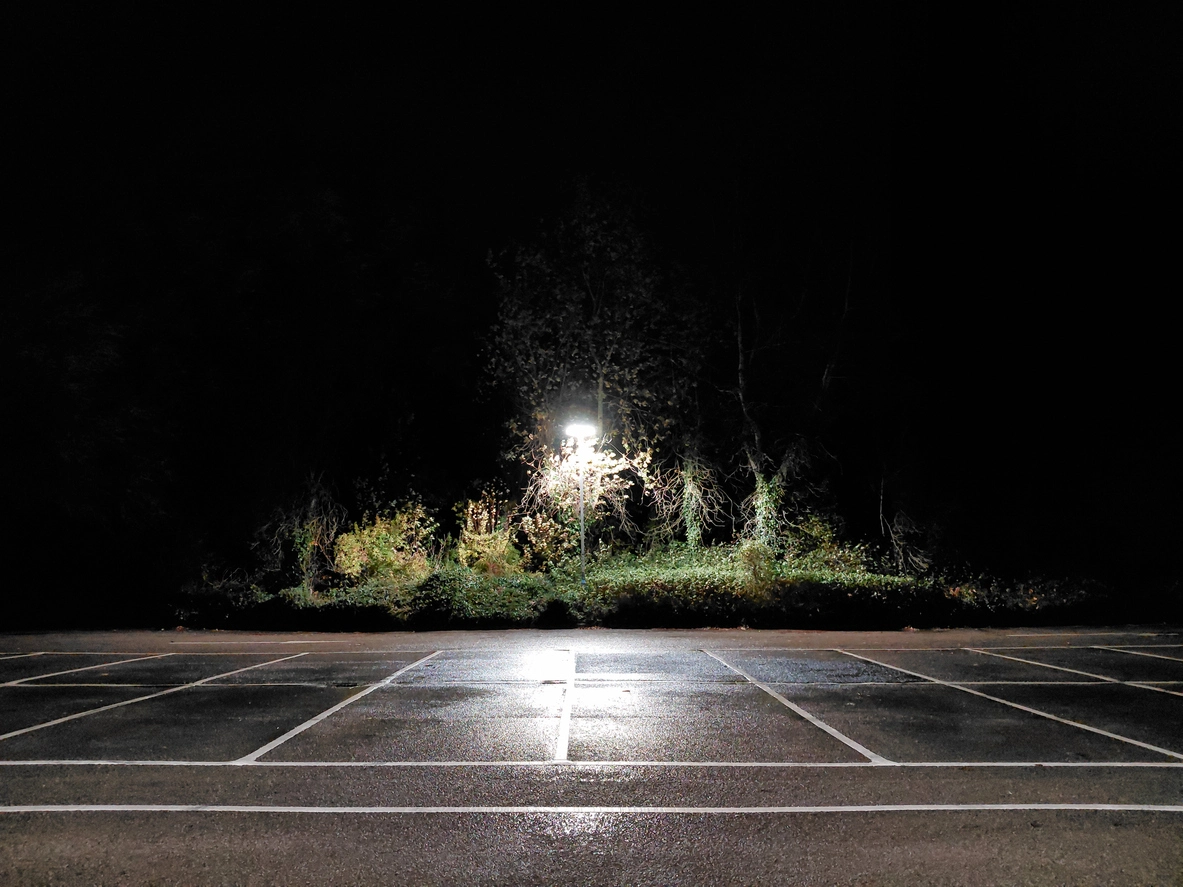
Monitor vehicles, pedestrian movement, after-hours activity, and suspicious behavior in commercial parking areas with limited lighting.
Night Vision Security Cameras
Camera Security Now helps businesses evaluate infrared security cameras for reliable low-light and nighttime surveillance across commercial properties, parking lots, warehouses, schools, and outdoor areas.
Security footage is often most important after dark. Parking lots, entrances, storage yards, loading docks, alleys, campuses, and exterior doors can become harder to monitor when lighting drops or when motion lighting does not reach the entire area.
Infrared security cameras use built-in infrared LEDs to help capture usable footage when visible light is limited. The result is typically black-and-white night footage that can show activity even when the scene appears dark to the human eye.
Camera Security Now helps businesses compare infrared camera options, IR range, mounting locations, lighting conditions, recording needs, and camera placement so nighttime footage is useful when it matters.
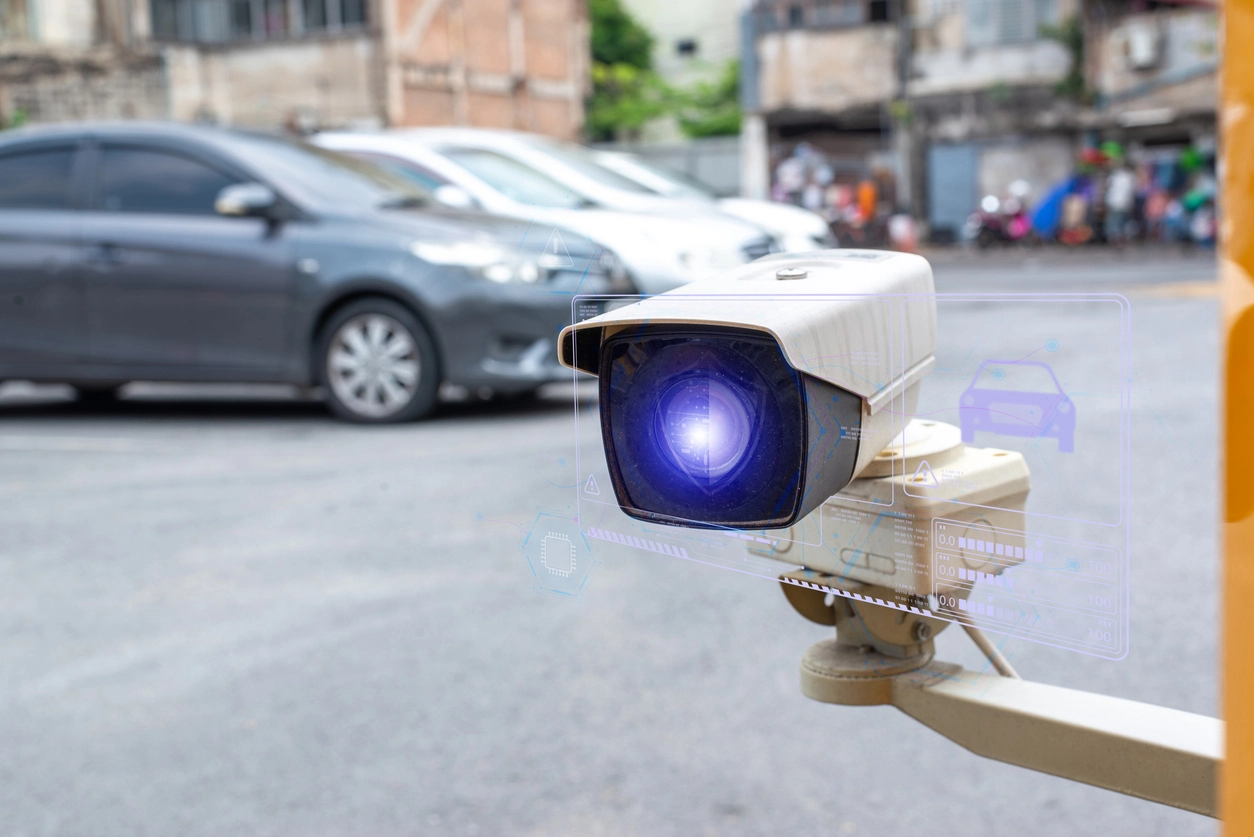
Infrared cameras help fill the visibility gap when standard cameras struggle in dark or low-light environments.
Capture activity after dark with infrared illumination that supports black-and-white footage in low-light conditions.
Support monitoring around parking lots, yards, doors, gates, loading docks, and exterior walls where lighting may be inconsistent.
Infrared cameras can help when visible lighting is not available, not desirable, or not strong enough to support standard camera footage.
Infrared cameras are useful anywhere nighttime activity, low lighting, or after-hours monitoring creates a visibility challenge.
Monitor vehicles, pedestrian movement, after-hours activity, and suspicious behavior in commercial parking areas with limited lighting.
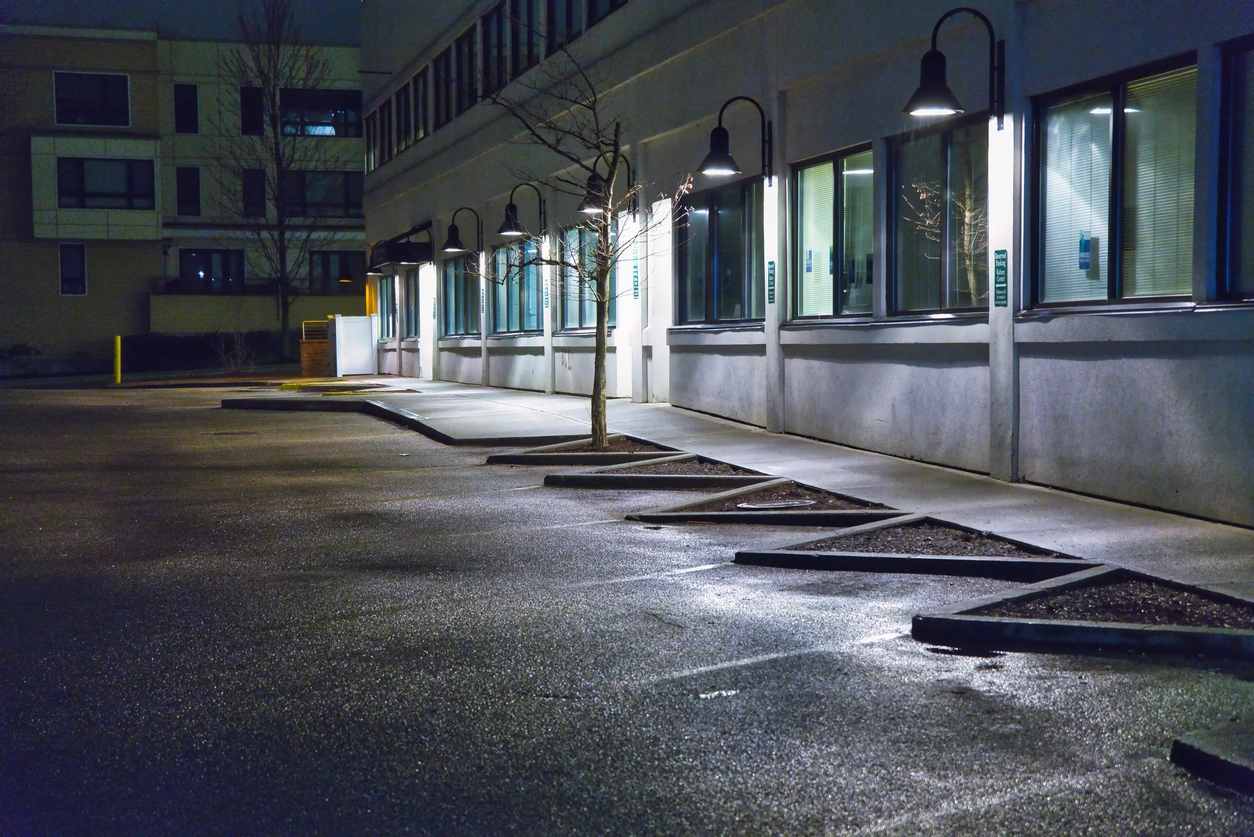
Improve low-light visibility around exterior doors, employee entrances, storefronts, vestibules, and visitor access points.

Support nighttime review around dock doors, trailer areas, shipping zones, storage yards, and exterior warehouse activity.
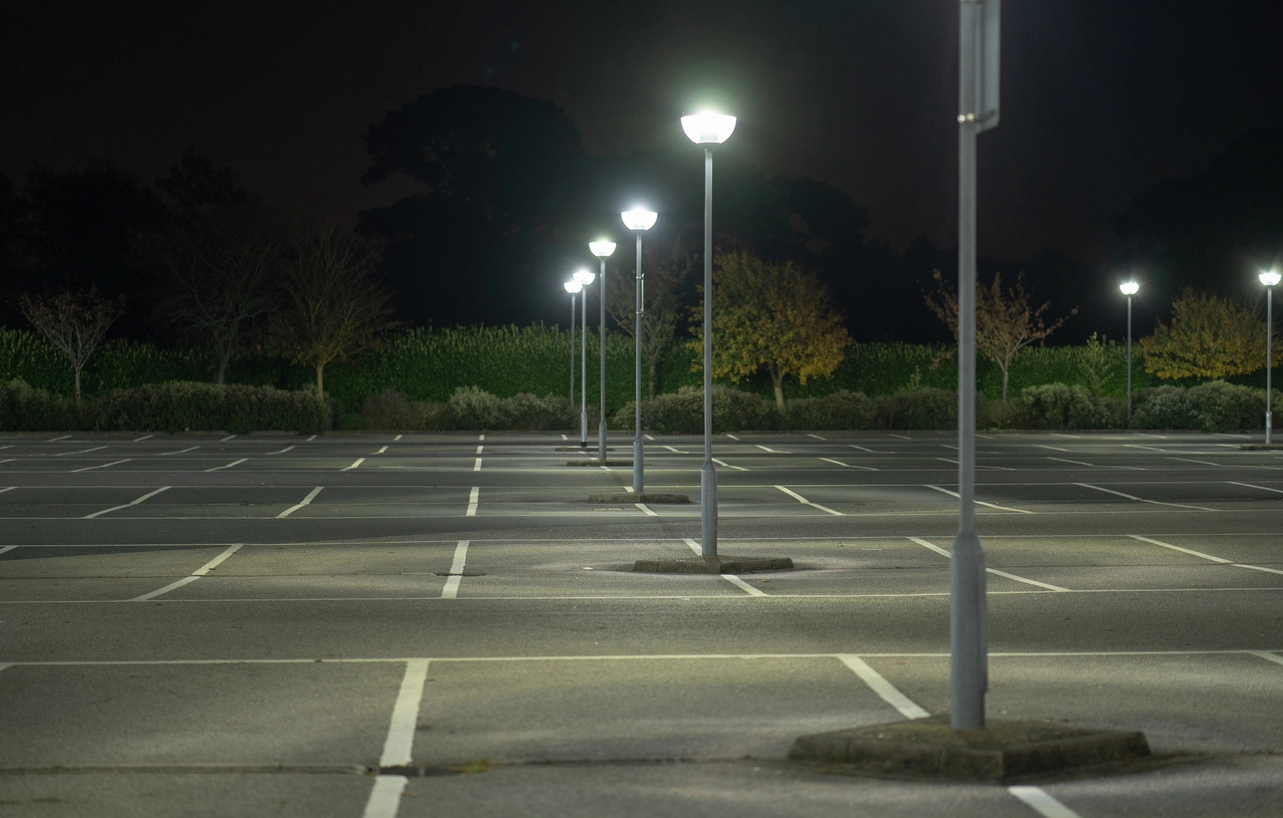
Monitor exterior walkways, parking areas, athletic facilities, courtyards, and building access points after normal operating hours.
Planning Considerations
Infrared security cameras work by using IR illumination instead of relying only on visible light.
Most standard cameras depend on visible light, just like the human eye. When an area is too dark, the footage can become grainy, blurry, or unusable. Infrared cameras solve that problem by shining infrared light from LEDs around the camera lens or from a separate IR source.
The camera sensor can detect that infrared light and convert the scene into a visible black-and-white image. This can make the footage look like the area is lit by a flashlight, even though the infrared light itself is not visible to people nearby.
The right infrared camera depends on distance, lighting, mounting height, field of view, weather exposure, and the level of detail your team needs from nighttime footage.
IR range varies by camera. A small indoor camera and a long-range outdoor PTZ camera will not perform the same at night.
Camera placement affects whether infrared light reaches the target area and whether faces, vehicles, doors, or activity are visible.
Walls, glass, metal surfaces, nearby objects, and weather conditions can reflect IR light and affect image quality.
Infrared footage is usually black and white, so businesses that need color detail after dark may also consider full color night cameras.
Infrared cameras often work alongside full color night cameras, high-resolution cameras, remote access, and storage planning.
Infrared security cameras help businesses capture usable footage when lighting is limited or when standard cameras struggle after dark.
Many businesses need camera coverage most urgently at night, when buildings are closed, parking lots are less active, employees are off site, and unauthorized activity is harder to see. Infrared security cameras help address that challenge by using IR illumination to capture footage in low-light areas.
Infrared cameras are commonly used around parking lots, loading docks, exterior entrances, storage yards, warehouses, schools, industrial sites, and other commercial locations that need nighttime visibility. The best camera depends on the required IR distance, viewing angle, mounting height, weather exposure, and how much detail must be captured.
Camera Security Now helps organizations compare infrared cameras, full color night cameras, high-resolution cameras, recording options, and placement strategies so the nighttime surveillance plan supports real incident review instead of just adding cameras to dark areas.
Get answers to common questions about this security camera solution.
Infrared security cameras use infrared LEDs to illuminate a scene with light that is not visible to the human eye. The camera can use that infrared light to capture black-and-white footage in low-light or nighttime conditions.
Many infrared cameras can capture footage in very dark areas because they provide their own infrared illumination. The usable range depends on the camera model, IR strength, lens, mounting location, and environment.
They solve different problems. Infrared cameras are often better for very dark areas where black-and-white footage is acceptable, while full color night cameras can be better when enough light is available and color detail matters.
Infrared cameras are commonly used around parking lots, building entrances, warehouses, yards, storage areas, schools, industrial properties, and other locations that need nighttime or low-light monitoring.
Tell us what areas need nighttime visibility and how far the camera needs to see. We’ll help you compare infrared cameras with other low-light surveillance options.