
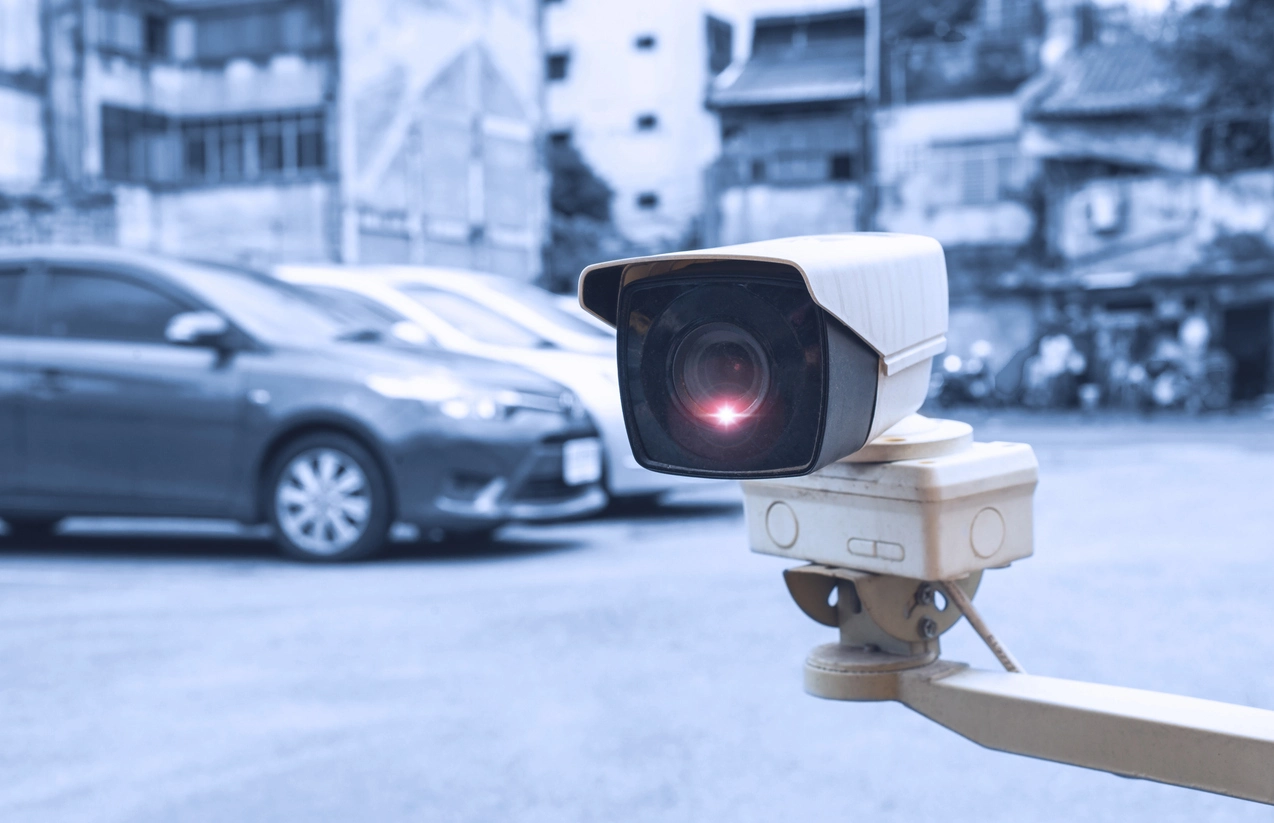
Parking Lots and Vehicle Areas
Capture more useful nighttime detail around vehicles, parking lanes, pedestrian paths, and exterior approaches.
Nighttime Security Camera Visibility
Camera Security Now helps businesses evaluate full color at night security cameras for locations where color detail can improve nighttime incident review.
Nighttime surveillance footage is often where businesses need the most help. Many incidents happen after hours, in parking lots, near entrances, around loading areas, or in outdoor spaces where lighting conditions are inconsistent.
Traditional infrared cameras can perform well in darkness, but the footage is usually black and white. Full color at night cameras are designed to preserve color detail when lighting conditions allow, which can make it easier to review clothing colors, vehicle colors, objects, and scene details after an incident.
Camera Security Now helps businesses compare full color night vision cameras, infrared cameras, supplemental lighting, camera placement, and recording needs so the nighttime system supports the way footage will actually be reviewed.
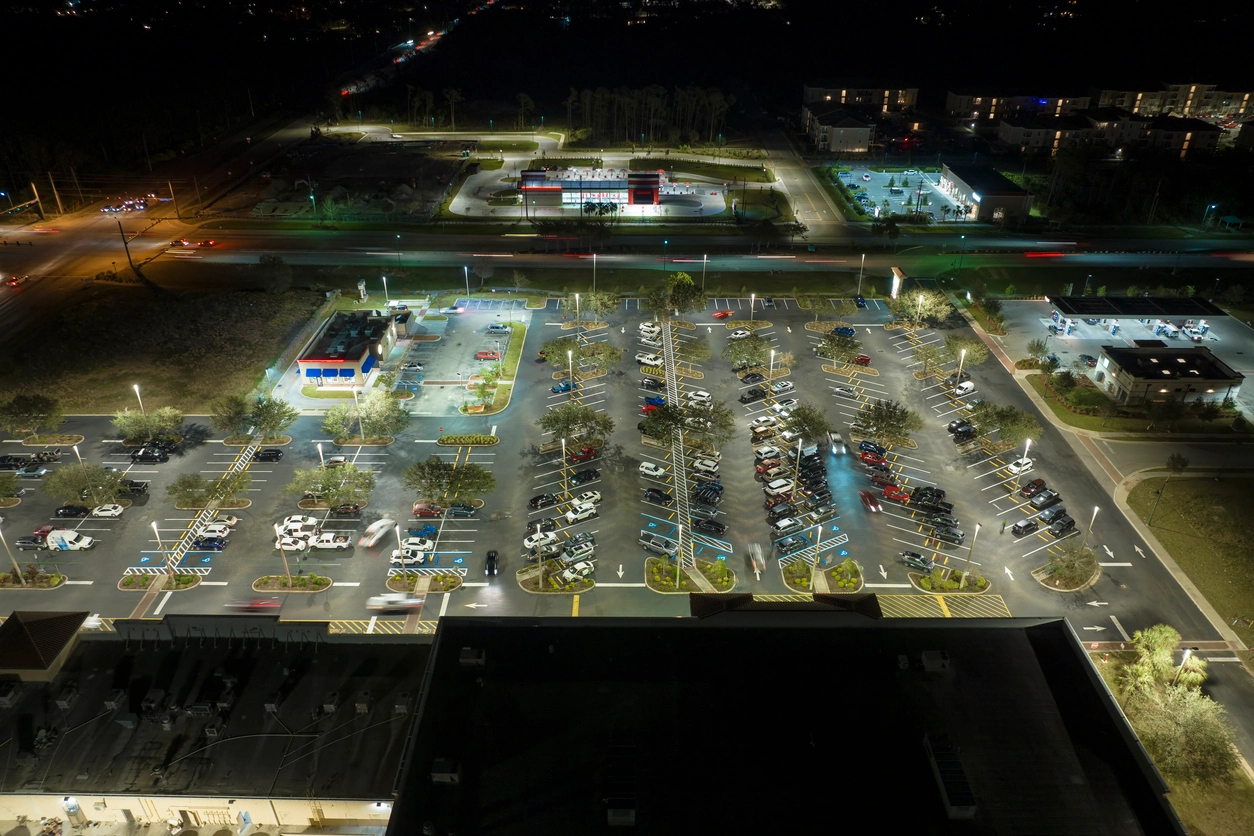
Full color at night cameras are most valuable when color details may help identify what happened after dark.
Color footage may help reviewers distinguish vehicles, clothing, bags, objects, and other details that can be lost in black-and-white footage.
Color scene detail can make it easier for owners, managers, and security teams to understand nighttime activity.
Use full color night cameras around parking lots, entrances, yards, storefronts, loading areas, and other exterior spaces.
Full color night vision cameras should be placed where nighttime color detail supports real review needs.
Capture more useful nighttime detail around vehicles, parking lanes, pedestrian paths, and exterior approaches.
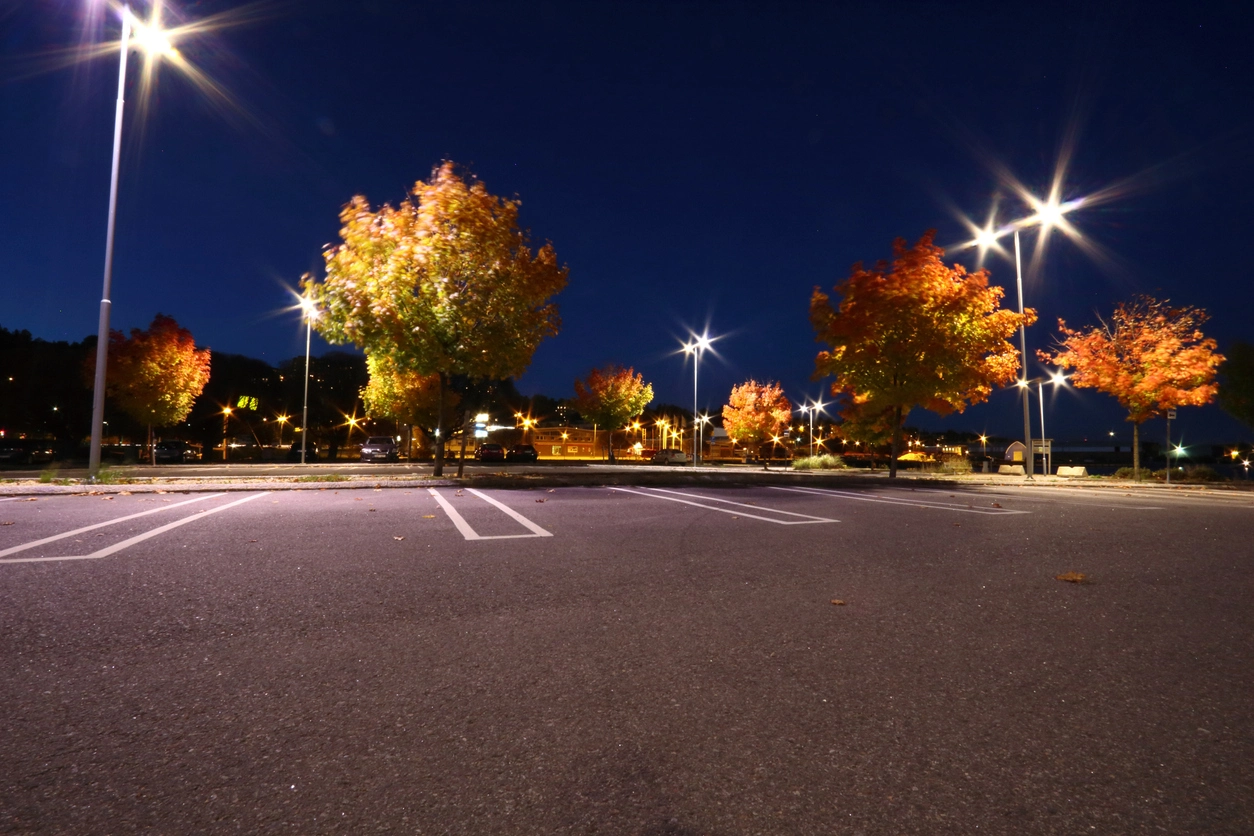
Monitor doors, storefronts, vestibules, gates, and visitor entrances where after-hours activity needs clearer review.
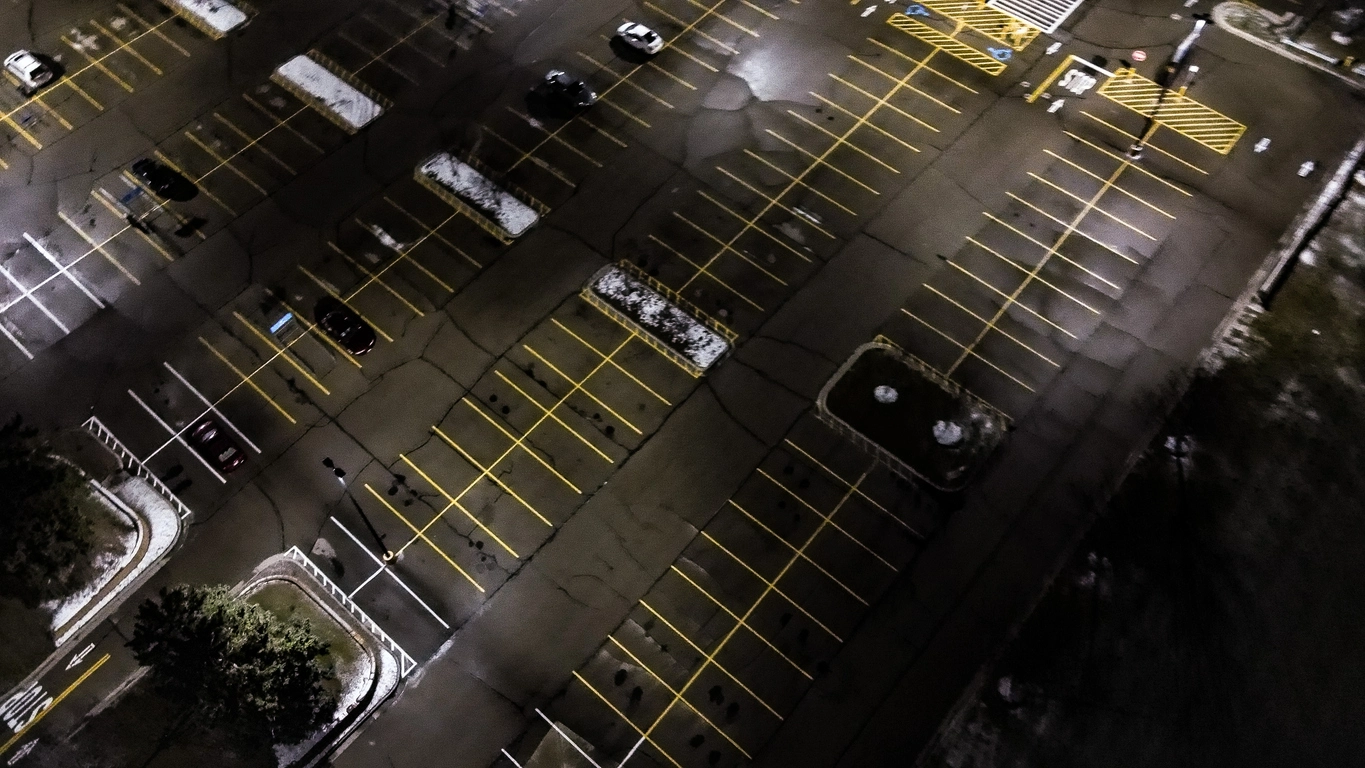
Improve visibility around docks, trailer areas, shipping zones, side entrances, and exterior warehouse activity.
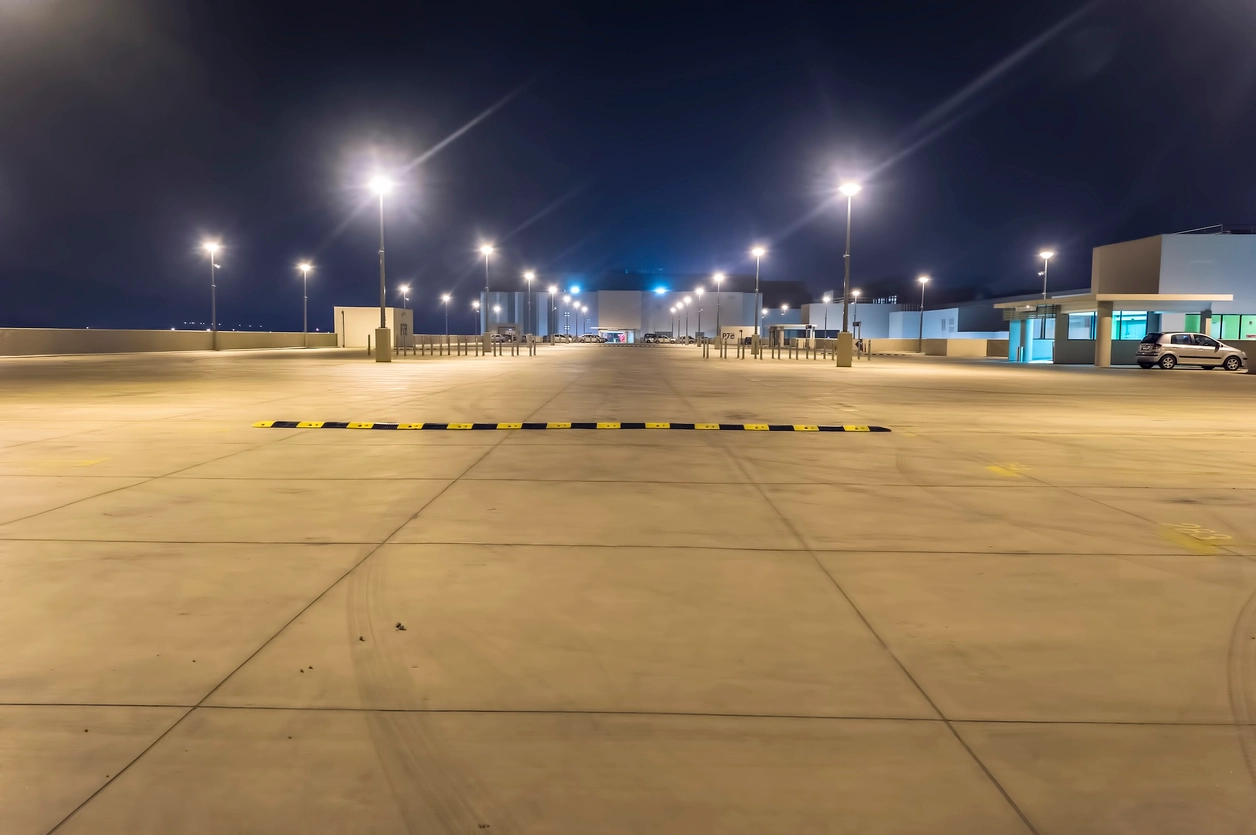
Support nighttime visibility around campuses, parking areas, athletic facilities, exterior walkways, and building access points.
Planning Considerations
Color night video can be extremely useful, but the camera still needs the right environment to perform well.
Full color night cameras are not magic. They need available light, built-in supplemental lighting, or a lighting plan that supports color imaging. A camera placed in complete darkness may need infrared, white light, or a different low-light strategy.
The best nighttime system may combine full color cameras in areas with useful ambient light and infrared cameras in darker locations. Camera placement, mounting height, field of view, glare, shadows, and distance all affect whether nighttime footage is usable.
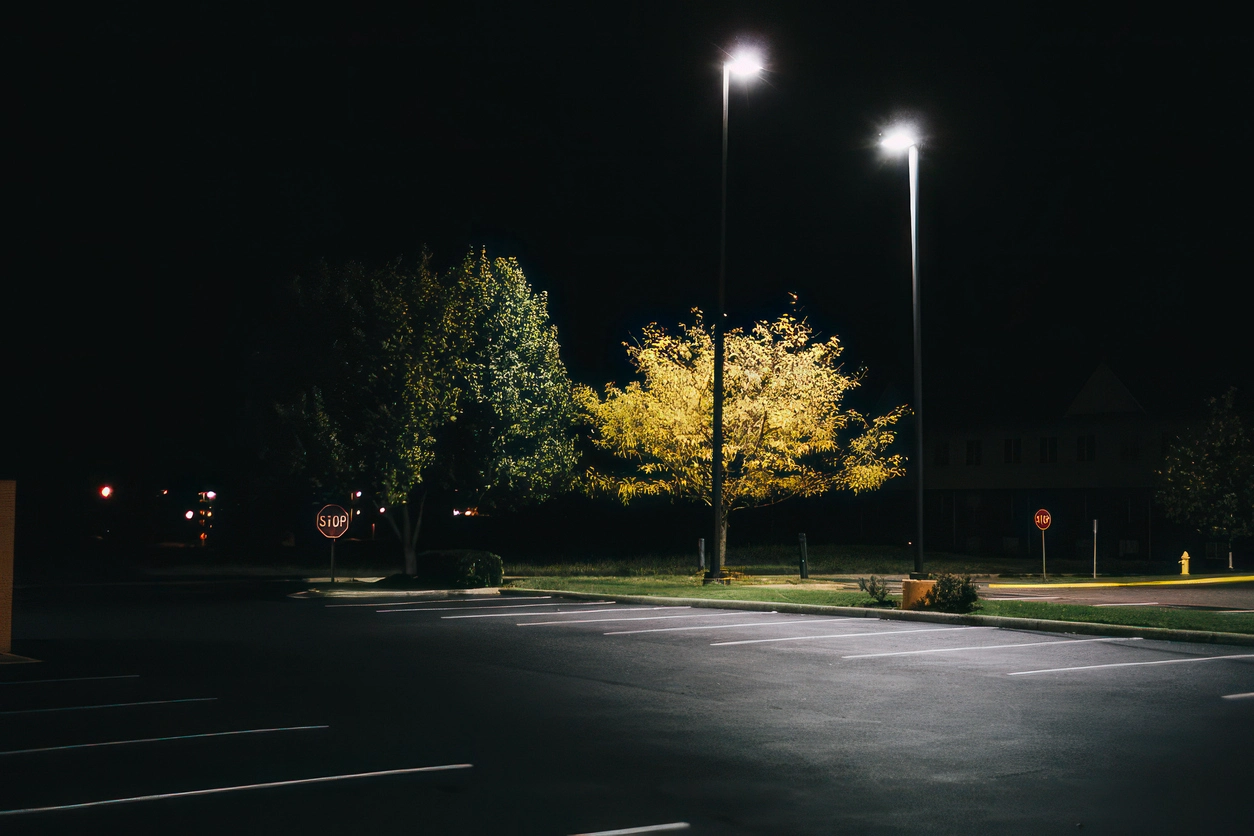
Before choosing full color at night cameras, compare lighting conditions, review goals, camera placement, and the detail your team needs after dark.
Full color night cameras perform best when there is enough ambient or supplemental light to preserve color detail.
Mounting height, angle, distance, shadows, glare, and field of view all affect nighttime image quality.
Some areas may be better served by infrared, while others benefit from full color footage. Many systems use both.
Nighttime footage should be recorded with settings that support the detail, retention period, and playback needs of the business.
Full color night cameras often work alongside infrared cameras, high-resolution cameras, remote access, and storage planning.
Full color night vision cameras can help businesses capture more useful nighttime footage when color detail matters.
Businesses often need the clearest footage at night, when break-ins, vehicle incidents, vandalism, trespassing, and after-hours activity are more likely to happen. Black-and-white infrared footage may be enough in some areas, but color footage can make review easier when clothing, vehicles, objects, or scene context matter.
Full color at night cameras are useful in parking lots, exterior entrances, warehouse yards, loading docks, campuses, storefronts, and other locations where lighting is available or can be added. The right design depends on how dark the area gets, whether glare or shadows are present, and how much detail the organization needs from recorded footage.
Camera Security Now helps organizations compare full color night cameras, infrared options, supplemental lighting, resolution, storage, and camera placement so the surveillance system performs better after dark.
Get answers to common questions about this security camera solution.
Full color night vision security cameras are designed to capture color video in low-light or nighttime conditions when there is enough available light or supplemental lighting to support color imaging.
They solve different problems. Full color night cameras can provide color detail when lighting conditions allow, while infrared cameras may be better in very dark areas where black-and-white night footage is acceptable.
They are often useful around entrances, parking lots, loading areas, yards, alleys, storefronts, schools, warehouses, and other areas where color details such as clothing, vehicles, or objects may help with incident review.
Yes. Full color night cameras typically need available light or built-in supplemental lighting to capture color footage. Completely dark areas may require infrared, white light, or a different nighttime surveillance approach.
Tell us what areas you need to monitor after dark and what kind of detail you need from recorded video. We’ll help you compare full color night vision cameras with other low-light options.