
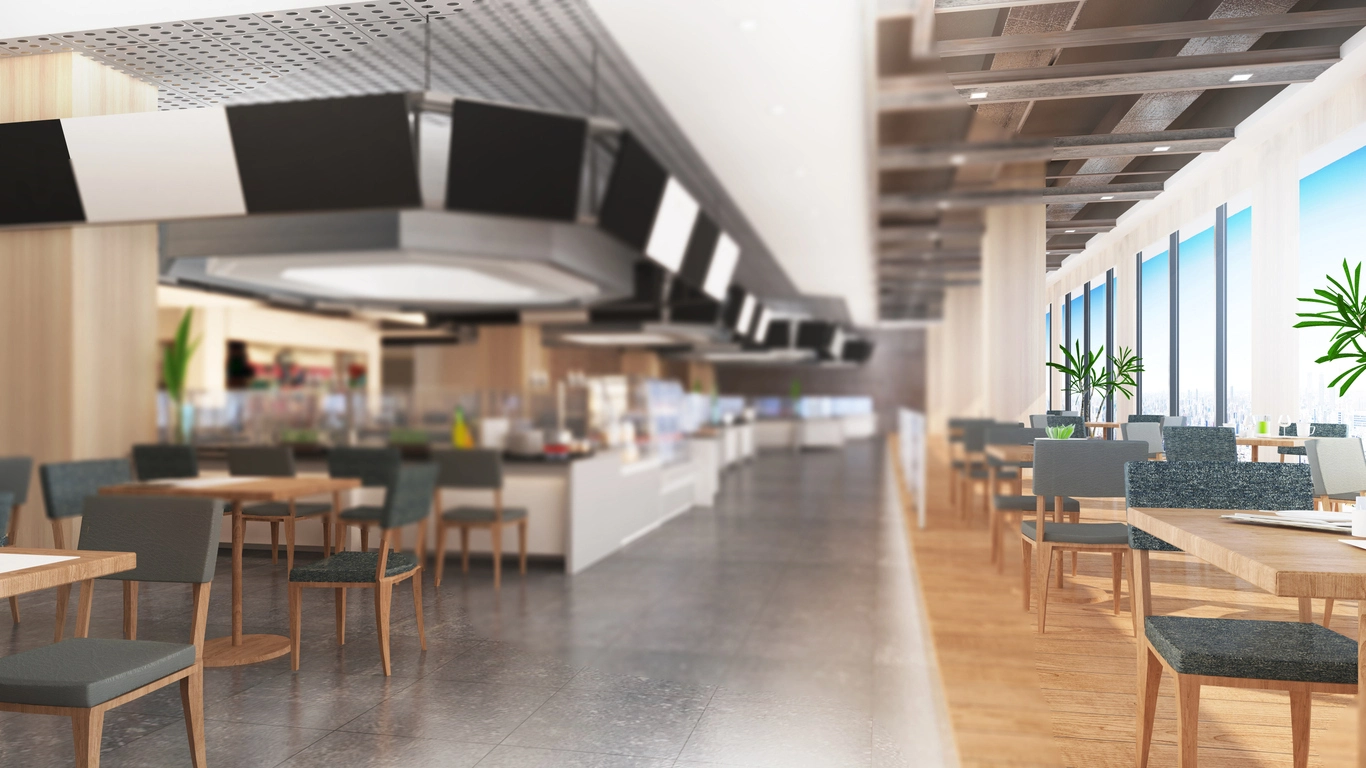
Franchise Restaurants
Regional managers can review dining rooms, kitchens, counters, drive-thru areas, cash handling points, and multiple restaurant locations without traveling to every store.
Multi-Site Surveillance Management
Camera Security Now helps businesses manage cameras across multiple locations, buildings, stores, restaurants, warehouses, campuses, and facilities from one organized surveillance system.
If you are responsible for more than one business location, you already know how difficult it can be to stay aware of what is happening at each site. You cannot be in two places at once, and separate camera apps can make the problem worse instead of easier.
Many businesses end up with different camera systems, different logins, different mobile apps, and different viewing tools from one location to another. Switching between systems wastes time, creates confusion, and makes it harder to monitor the areas that matter.
Centralized management gives your team one organized way to view cameras from multiple locations. Cameras from one site can be viewed alongside cameras from another, making it easier to cycle through locations, review activity, and manage your surveillance system without juggling separate platforms.
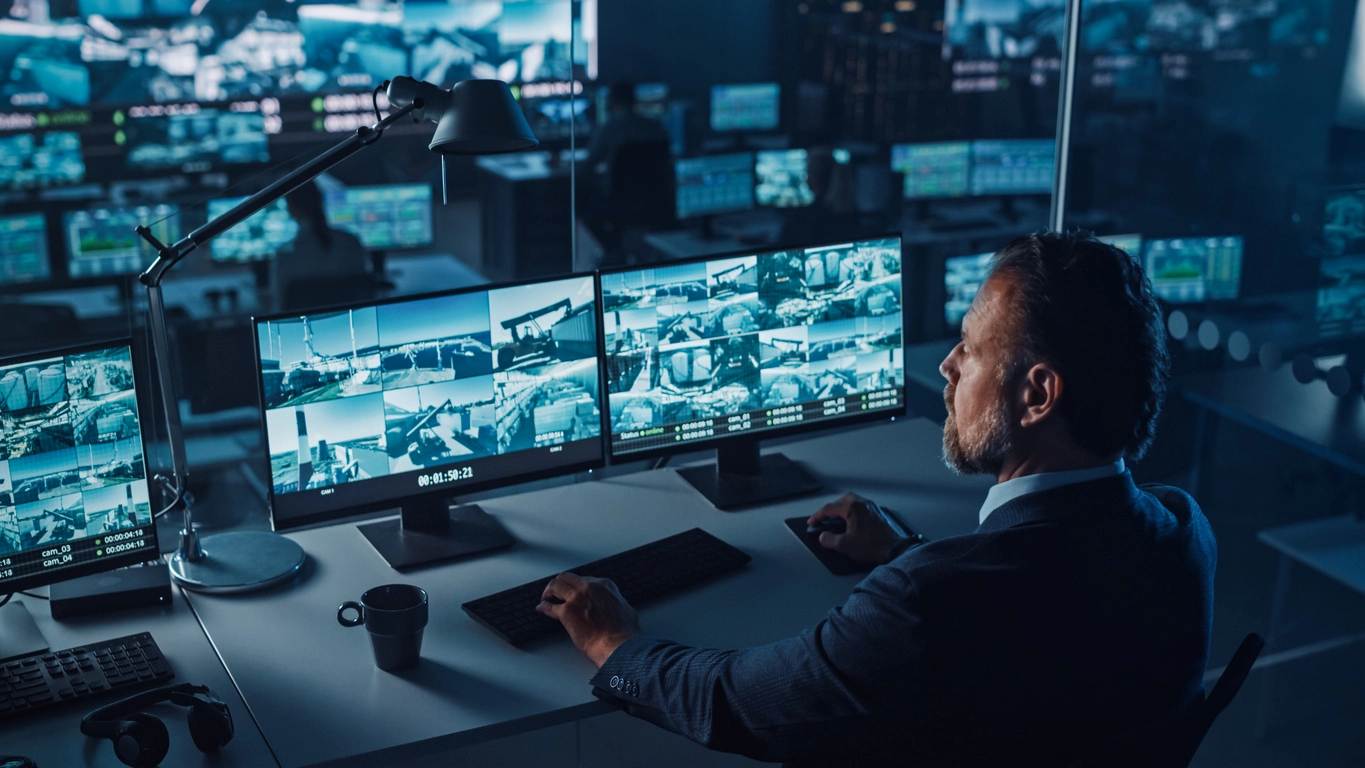
Centralized management is especially valuable when one owner, manager, operations team, or security team needs visibility across multiple sites.
View cameras across locations without constantly switching between separate logins, incompatible apps, or disconnected viewing platforms.
Monitor stores, restaurants, warehouses, campuses, manufacturing facilities, offices, and remote buildings from one organized system.
Plan your surveillance system around additional cameras, future locations, video walls, remote access, and long-term operational needs.
Centralized camera management is useful anywhere a business needs to monitor more than one building, department, branch, or location.
Regional managers can review dining rooms, kitchens, counters, drive-thru areas, cash handling points, and multiple restaurant locations without traveling to every store.
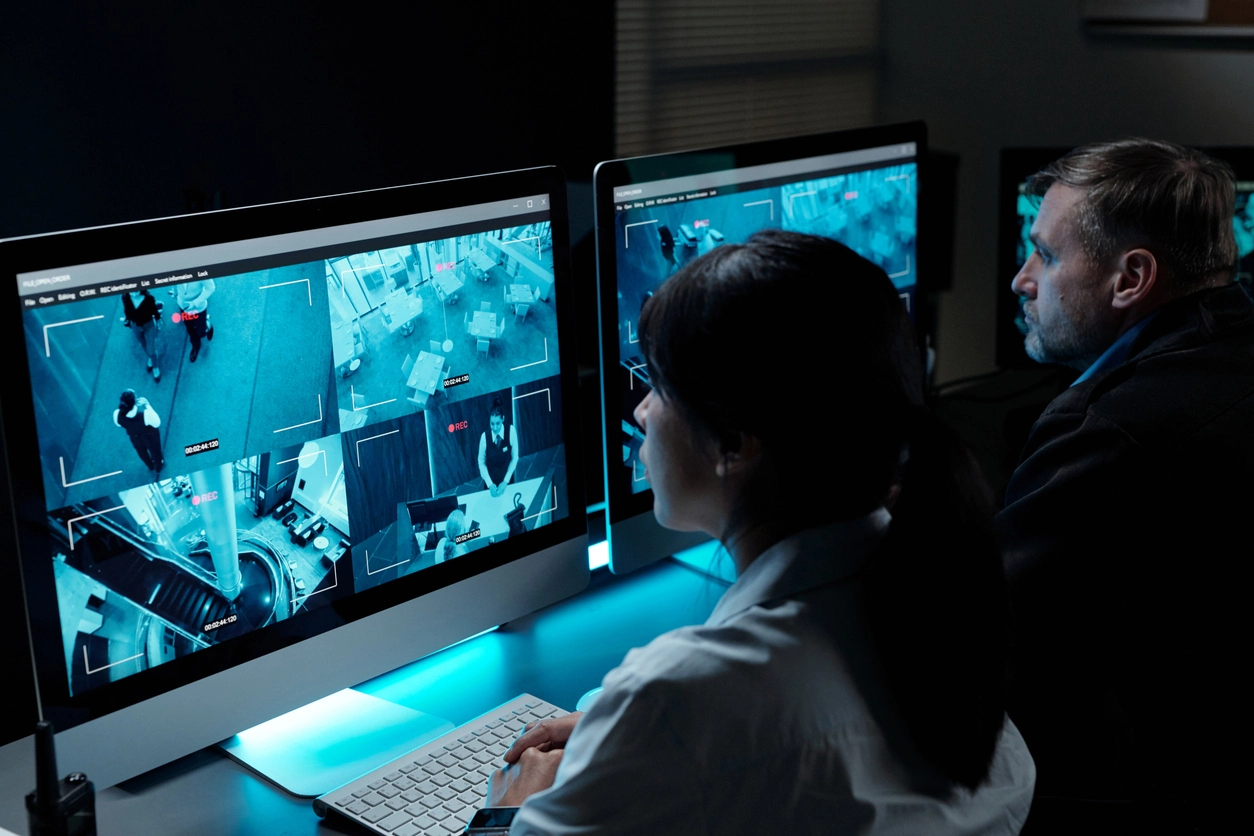
Loss prevention teams and district managers can monitor entrances, registers, aisles, stock rooms, customer areas, and parking lots across multiple stores.
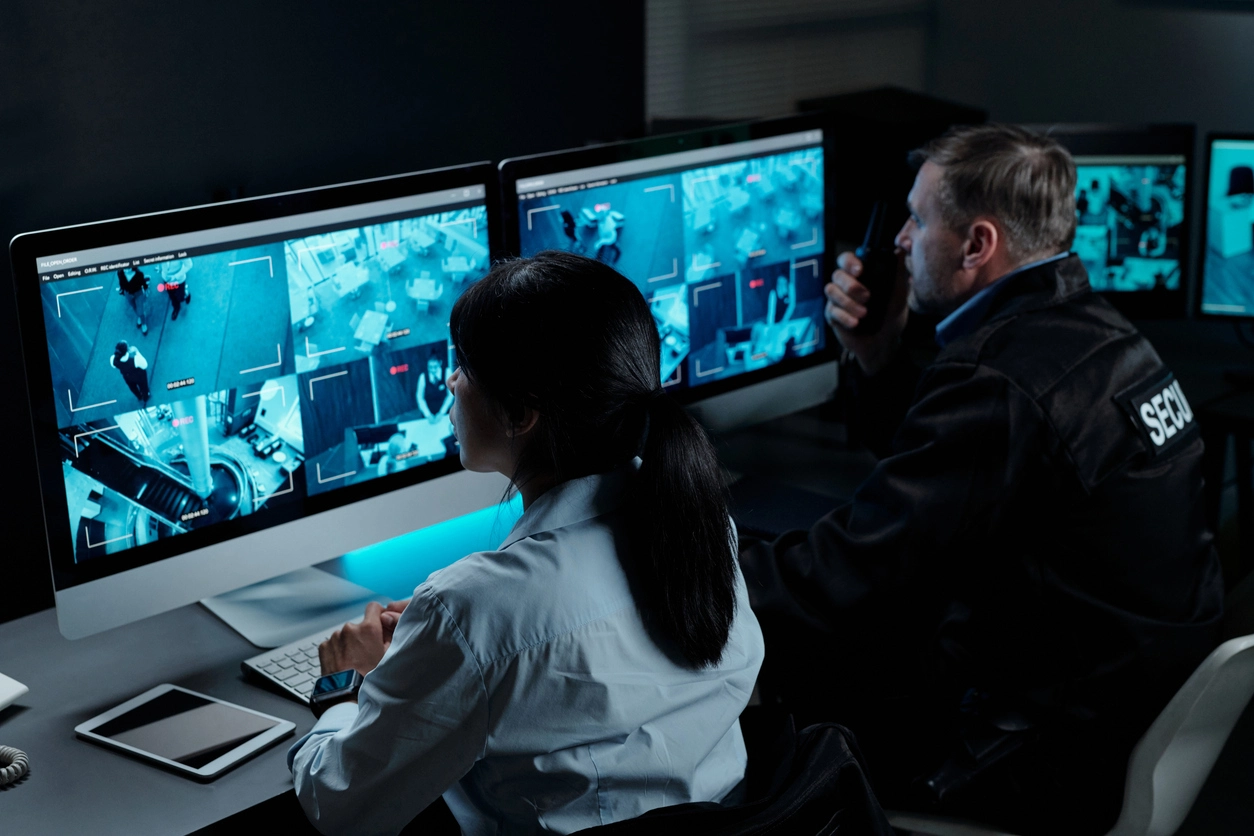
Coordinate visibility across production areas, warehouses, loading docks, yards, employee entrances, and multiple industrial buildings.
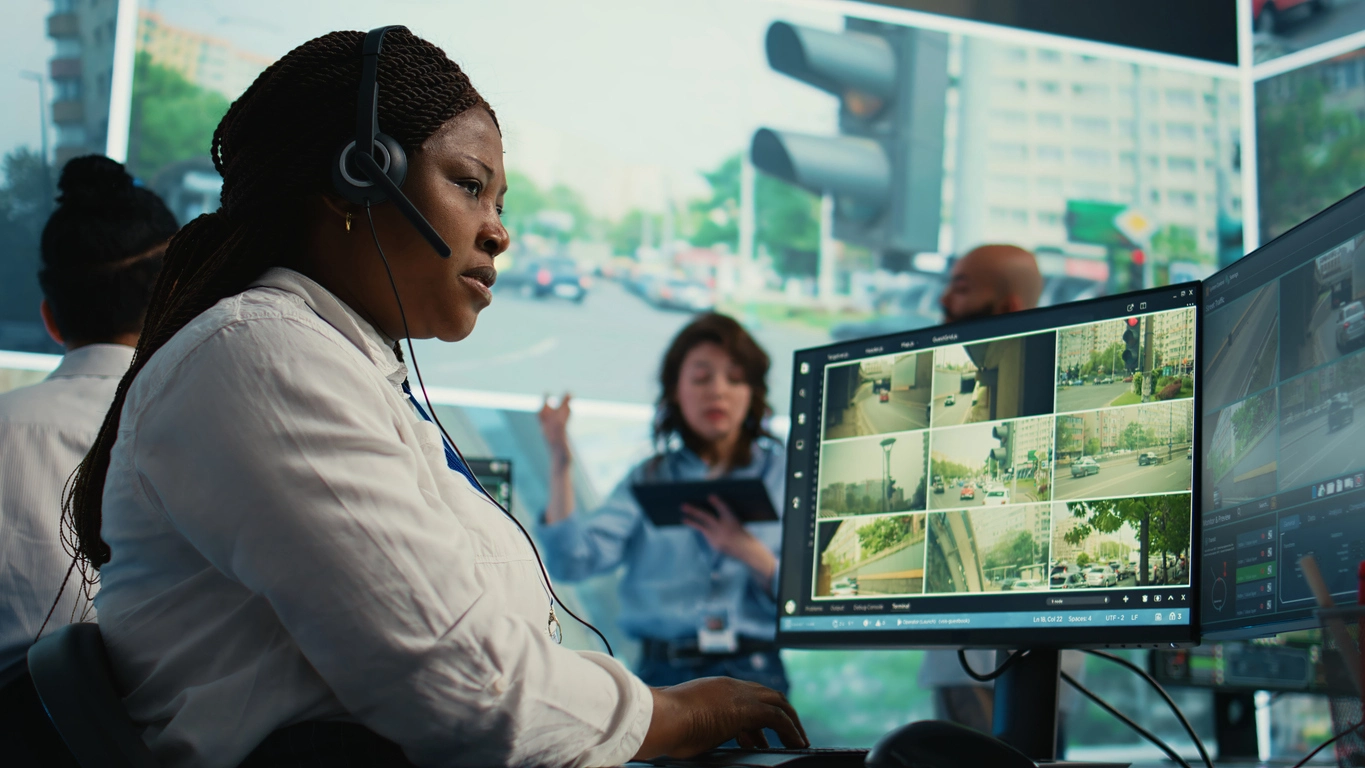
Give administrators and security personnel a more complete view of entrances, parking lots, common areas, corridors, and separate buildings.
Planning Considerations
Large camera systems often need more than basic remote access. Centralized management can support organized camera groups, multi-monitor viewing, and video wall planning.
Typical camera viewing layouts display a limited number of cameras at one time. That may work for a small system, but it becomes limiting when your organization has dozens of cameras across multiple locations.
Video walls and multi-monitor workstations can help your team view more cameras at once, keep priority areas visible, and enlarge specific camera views when activity needs closer attention. Combining centralized management with a practical viewing layout gives multi-location businesses stronger visibility and control.
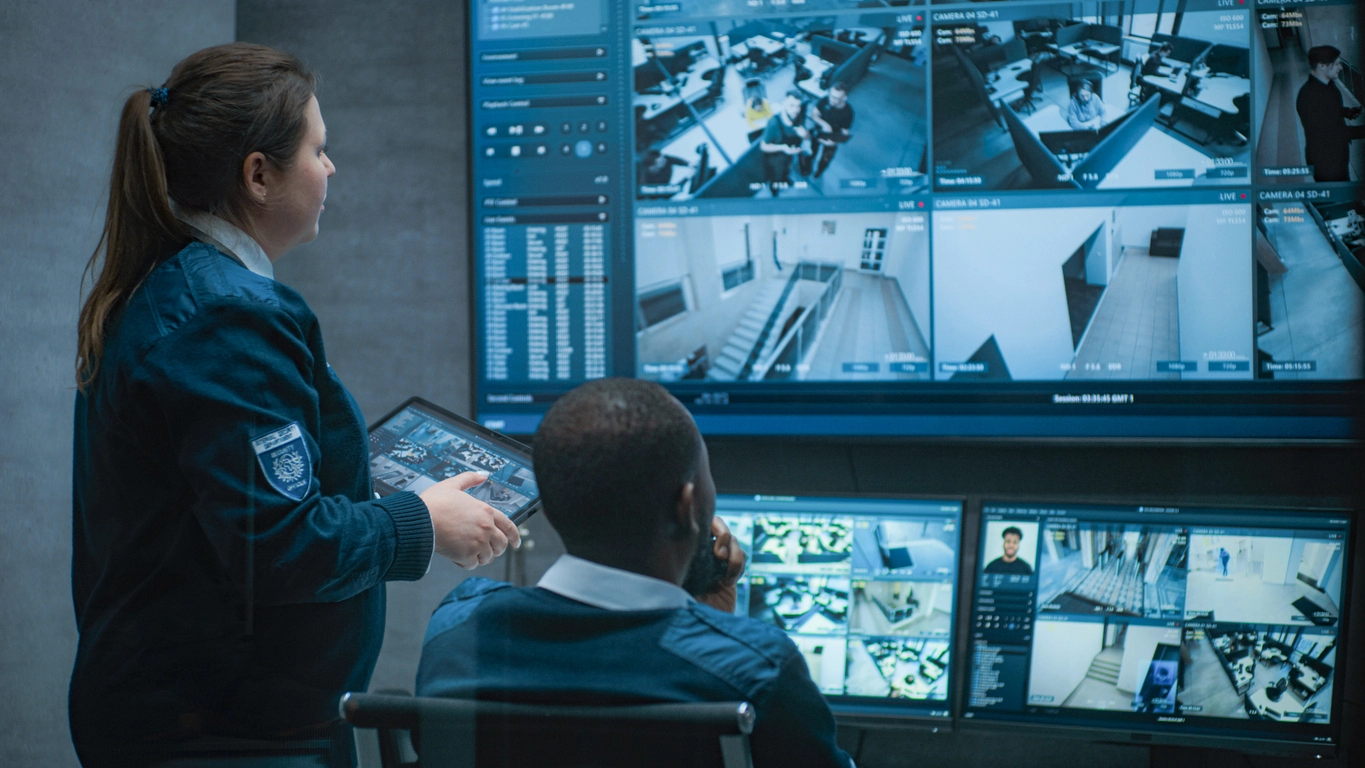
A centralized camera system should be planned around locations, users, bandwidth, recording needs, monitor layouts, and how your team actually reviews footage.
The system should account for how many stores, buildings, branches, campuses, or facilities need to be connected now and in the future.
Planning should include how many cameras need to be displayed at once, grouped by location, prioritized by risk, or shown on a video wall.
Owners, regional managers, security teams, and department leaders may need different camera access, playback permissions, and administrative controls.
Centralized visibility should be balanced with local recording, bandwidth planning, retention requirements, and reliable access to stored footage.
Centralized management often works alongside remote access, video storage, high-resolution cameras, and commercial security camera planning.
Centralized security camera management helps businesses reduce complexity when cameras are spread across multiple properties, buildings, or operating locations.
Businesses with several locations often outgrow basic camera viewing tools. A single store, office, or warehouse may be easy to monitor with a small system, but regional operations, franchise locations, chain stores, campuses, and multi-building facilities need a more organized approach.
Centralized camera management can help owners and managers compare activity between locations, review incidents faster, monitor problem areas, and reduce the hassle of switching between separate surveillance platforms. It can also support more consistent camera planning across new and existing sites.
Camera Security Now works with businesses nationwide to evaluate camera placement, recording needs, remote viewing, centralized monitoring, video walls, and future expansion so the surveillance system is easier to manage as the organization grows.
Get answers to common questions about this security camera solution.
Centralized security camera management allows cameras from multiple locations or buildings to be viewed and managed through one organized system. Depending on the design, users can view live video, review recorded footage, group cameras by site, and manage access from a central workstation or approved remote device.
Centralized management can support cameras across many locations, but the number that can be viewed comfortably at one time depends on the viewing layout, monitors, workstation, software, bandwidth, and video wall design.
Yes. Centralized management is ideal for multi-location businesses, but it can also help smaller businesses with multiple buildings, separate departments, or a need to display camera views from one central workstation.
Yes. Larger surveillance systems can be planned with multiple monitors or video walls so security teams can view more cameras at once, focus on priority areas, and keep multiple locations visible from one monitoring area.
Tell us how many locations, buildings, and cameras you need to manage. We’ll help you evaluate a centralized surveillance plan that fits your operation.