Skip to content
Camera Security Now

Security Camera Features

Camera Security Now helps businesses, schools, government facilities, and multi-site organizations compare commercial security camera features for image quality, night visibility, storage, remote access, outdoor durability, analytics, and long-term surveillance planning.

Choose Camera Features Around the Areas You Need to Protect

A useful camera system is not built by choosing one feature and applying it everywhere. Different areas of a property often need different combinations of resolution, lighting, recording, weather protection, network connectivity, and remote access.


A parking lot camera may need weatherproofing, night visibility, and license plate capture. A warehouse camera may need wide-area coverage, motion recording, and longer storage. A multi-location business may need centralized management and secure remote access.


Camera Security Now helps buyers compare these features in the context of real properties, real camera views, and real footage review needs.

commercial security camera features for business surveillance systems

Match Features to Each Camera View

Choose resolution, lens type, night visibility, weather protection, storage, and analytics based on what each camera needs to capture.

Improve Footage Review

Better feature selection can make recorded video easier to search, clearer to review, and more useful after an incident occurs.

Plan for Growth

Scalable camera systems should support future cameras, additional locations, longer retention, remote users, and changing property needs.

Commercial Security Camera Features

Compare common camera features and surveillance system capabilities used in business, school, government, industrial, retail, warehouse, and multi-site environments.

4K commercial security camera monitoring business entrance with high resolution detail

4K Resolution Cameras

4K security cameras help organizations capture sharper footage in areas where detail matters, including entrances, parking lots, warehouses, campuses, and high-value business spaces.

Higher-resolution footage can make incident review more useful when teams need to understand faces, vehicles, products, movement, or activity across a larger field of view.

4K cameras are often evaluated for locations where a standard camera may show that something happened, but not enough detail to confidently review what happened.

5MP security camera monitoring commercial building entrance with clear detail

5MP Resolution Cameras

5MP security cameras give businesses a practical balance of image clarity, storage efficiency, and commercial surveillance coverage.

For many businesses, 5MP cameras provide a useful upgrade over older low-resolution systems without always requiring the same storage and bandwidth planning as larger 4K deployments.

They can be a strong fit for entrances, hallways, retail spaces, warehouses, schools, offices, and general business camera coverage.

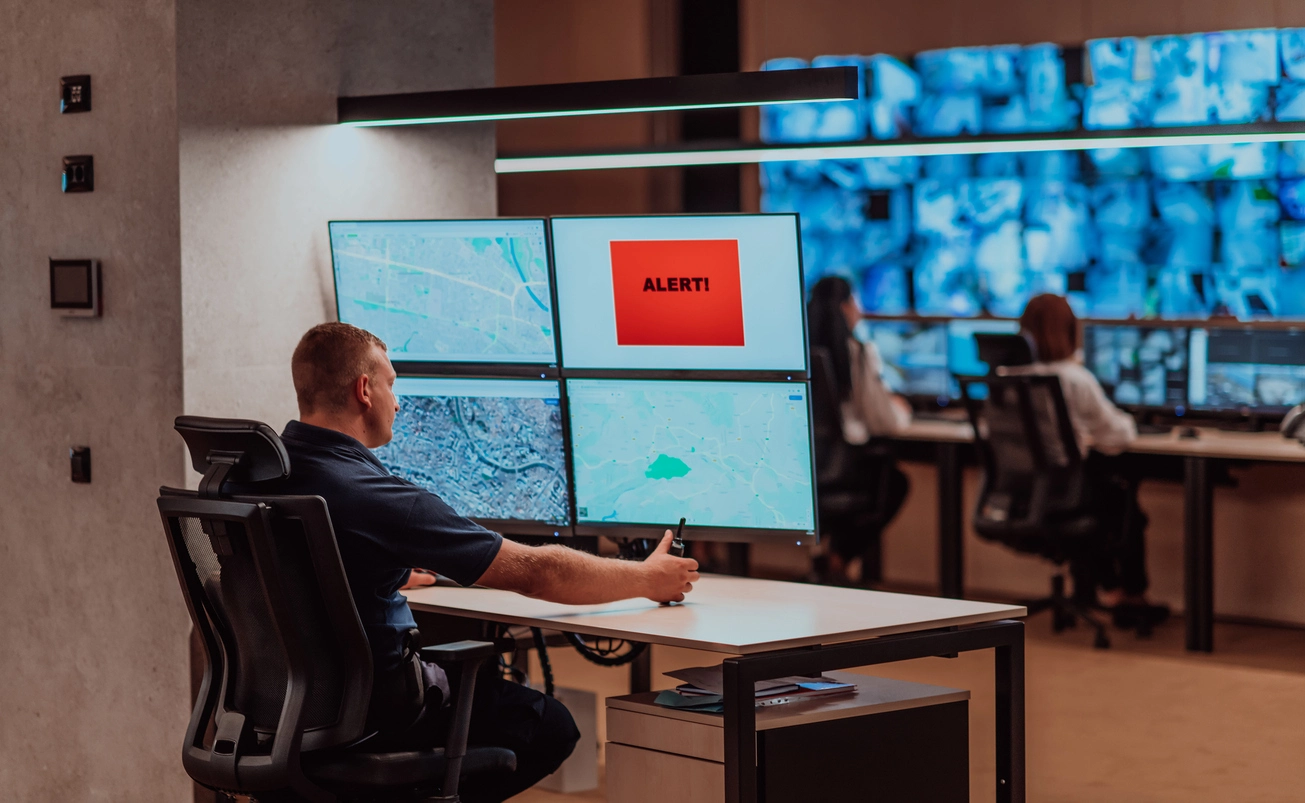
centralized security camera management workstation showing multiple business locations

Centralized Management

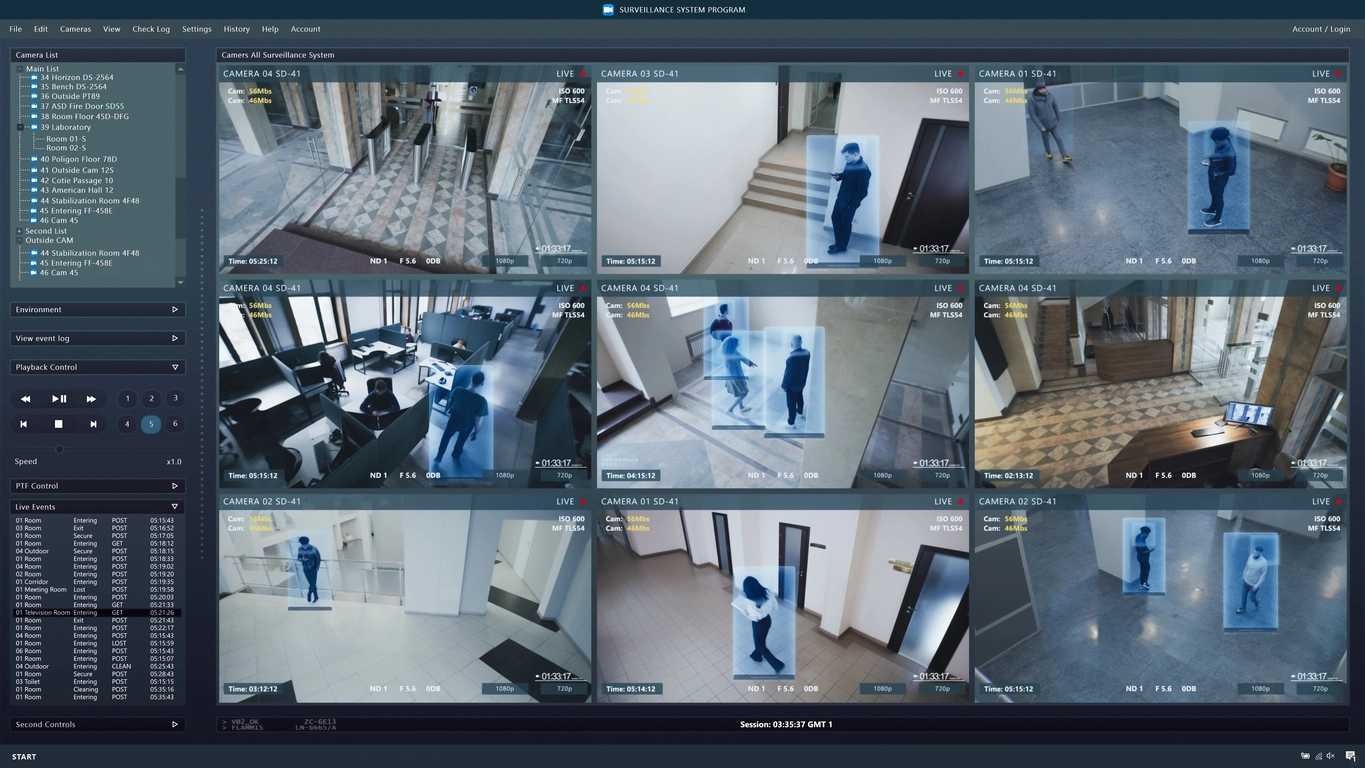
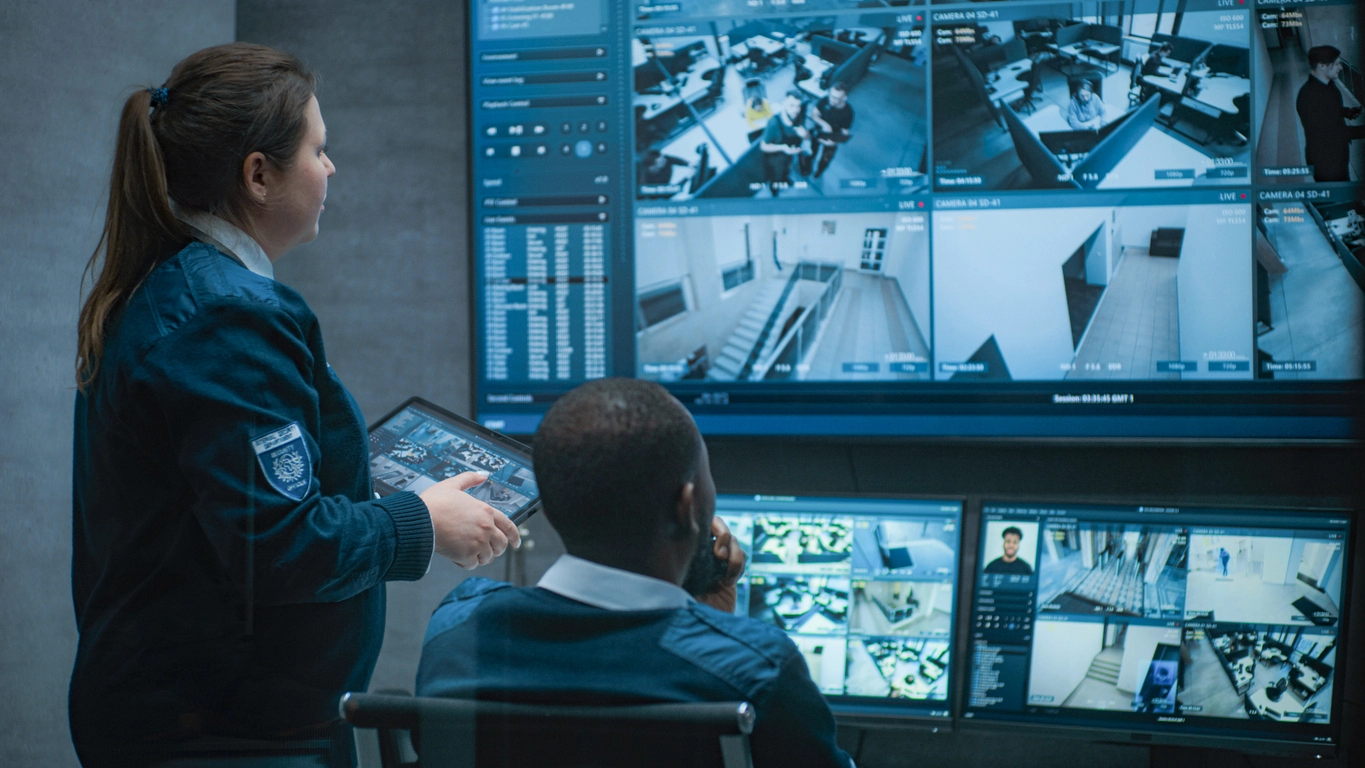
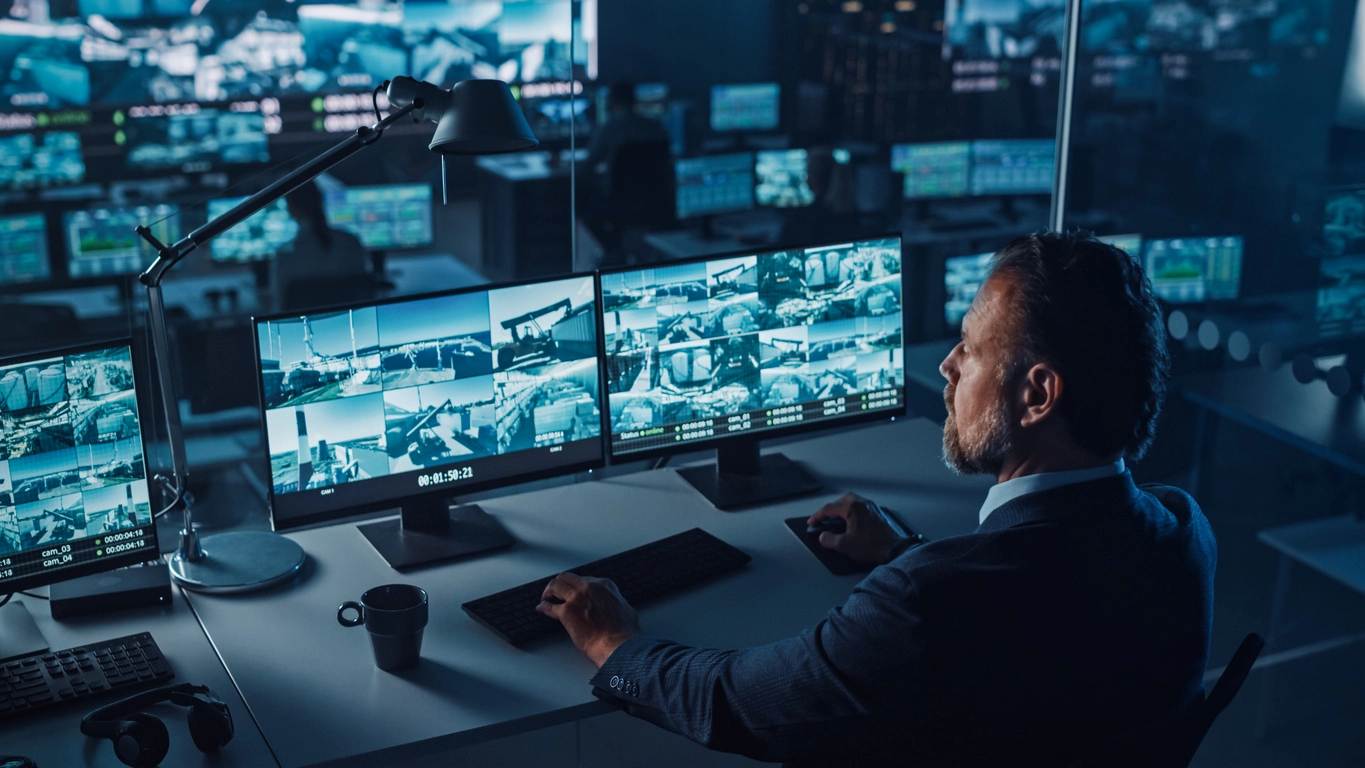
Centralized camera management helps businesses view and manage cameras across multiple buildings, stores, offices, campuses, or facilities from one organized system.

This is especially useful for multi-location businesses, franchise operations, regional managers, school campuses, warehouses, and organizations with more than one building to monitor.

Centralized viewing can also support larger monitoring workstations, video walls, shared user access, and more consistent surveillance standards across locations.

covert security camera installed discreetly in commercial interior space

Covert Cameras

Covert cameras support discreet surveillance needs where visible cameras may not be practical for a specific investigation or sensitive monitoring concern.

Businesses may consider covert cameras for targeted loss prevention, inventory concerns, restricted spaces, or recurring incidents where visible camera placement may change behavior.

They are usually best used as part of a broader surveillance plan that also includes visible cameras for deterrence and general coverage.

dummy security camera mounted visibly on commercial building for deterrence

Dummy Cameras

Dummy cameras can add visible deterrence in selected low-risk areas, but they should not replace real recording cameras where footage matters.

A dummy camera may discourage some unwanted activity, but it cannot record video, support investigations, verify claims, or provide evidence after an incident.

Many businesses use dummy cameras only as a supplemental deterrent while reserving real cameras for entrances, registers, docks, inventory, and parking areas.

explosion proof security camera housing installed in hazardous industrial facility

Explosion Proof Cameras

Explosion proof security cameras and housings help protect surveillance equipment in hazardous or harsh industrial environments.

Facilities with flammable vapors, gases, combustible dust, corrosive environments, or demanding outdoor exposure may need rugged camera housings selected for the environment.

These cameras are often evaluated for chemical plants, oil and gas sites, refineries, manufacturing facilities, marine locations, and heavy industrial spaces.

fisheye security camera mounted on ceiling monitoring wide commercial interior

Fisheye Cameras

Fisheye cameras provide wide-angle coverage for open spaces where one camera may monitor a larger area with fewer blind spots.

They are often used in lobbies, classrooms, offices, retail spaces, warehouses, and other open indoor areas where broad awareness matters.

A fisheye camera can be useful for situational awareness, while more focused cameras may still be needed for entrances, long hallways, parking areas, and detail-sensitive views.

full color night vision security camera monitoring commercial parking lot at night

Full Color at Night

Full color night cameras help businesses capture more useful color detail after dark when lighting conditions support color imaging.

Color footage can help reviewers distinguish vehicles, clothing, objects, and scene details that may be lost in black-and-white nighttime footage.

These cameras are often used around parking lots, entrances, loading docks, storefronts, schools, yards, and exterior commercial spaces.

infrared security camera monitoring commercial property at night

Infrared Cameras

Infrared security cameras help maintain visibility in low-light or no-light conditions by using IR illumination.

Infrared footage is typically black and white, but it can be extremely useful for after-hours visibility in dark areas where standard cameras may struggle.

Businesses often use infrared cameras around parking lots, entrances, warehouses, storage yards, schools, industrial properties, and exterior building areas.

license plate recognition security camera monitoring vehicle entrance lane

License Plate Recognition

License plate recognition cameras help capture plate activity at parking lot entrances, gates, vehicle lanes, campuses, and commercial access points.

Plate capture requires more than a standard overview camera. Lens selection, angle, lighting, vehicle speed, lane width, and camera configuration all affect whether plates are readable.

Many businesses combine overview cameras with dedicated plate capture cameras to support both context and vehicle identification.

megapixel security camera capturing detailed footage in commercial building

Megapixel Cameras

Megapixel cameras help businesses capture more detailed footage than older low-resolution camera systems.

Higher image detail can make recorded video more useful for reviewing faces, vehicles, registers, inventory areas, entrances, and parking activity.

Resolution still needs to be matched with proper placement, lighting, distance, lens selection, storage, and the level of detail required.

motion activated security camera monitoring commercial building entrance

Motion Activation

Motion activated recording helps businesses reduce unnecessary stored footage while preserving activity that is more likely to matter.

Motion recording can help extend retention by saving video when activity is detected instead of recording empty scenes continuously.

This is useful for entrances, warehouses, offices, parking lots, storage areas, and lower-traffic spaces where event-based review makes sense.

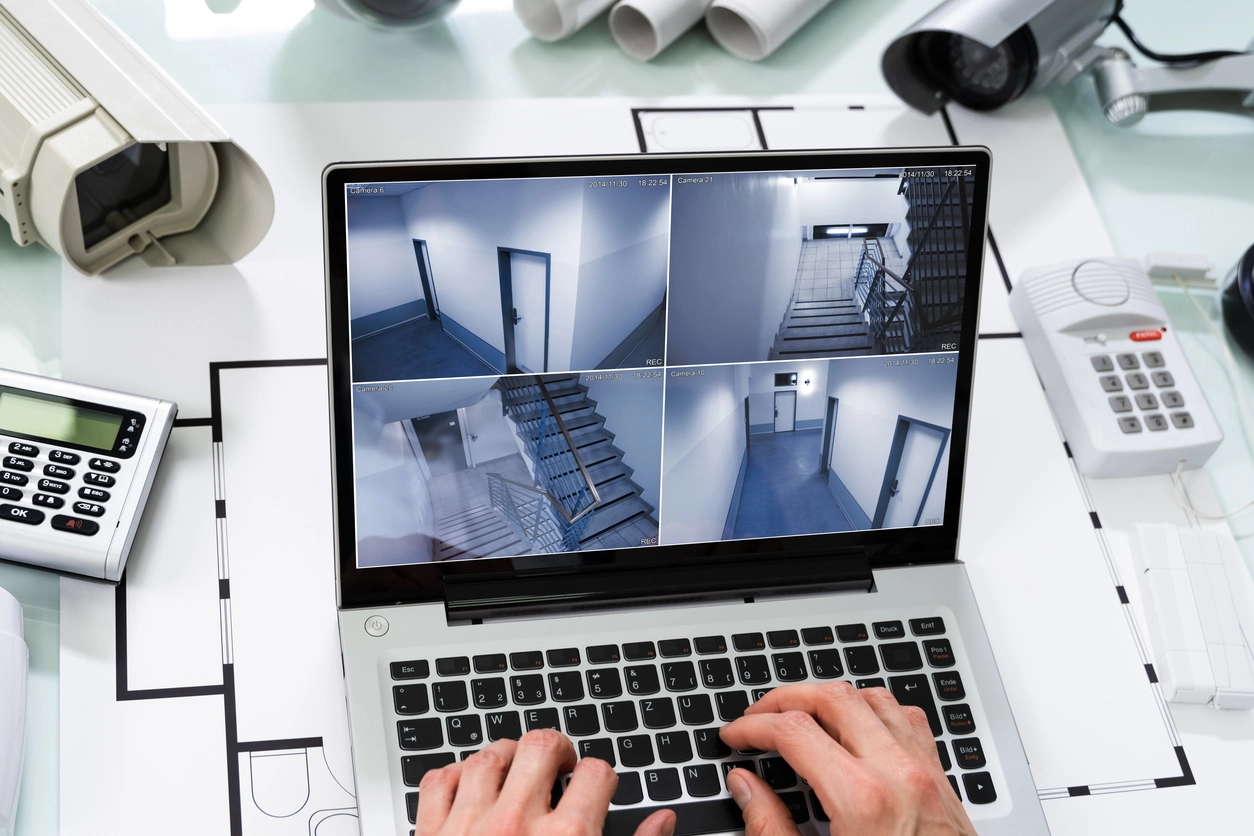
security camera interface showing motion detection zones and privacy mask areas

Motion & Privacy Masking

Motion and privacy masking features help businesses control what triggers recording and what areas should be excluded from view.

Motion masking can focus detection on important areas while ignoring trees, roads, reflections, or other movement that should not trigger recording.

Privacy masking can hide sensitive portions of a camera view such as computer screens, neighboring property, keypad areas, or private workspaces.

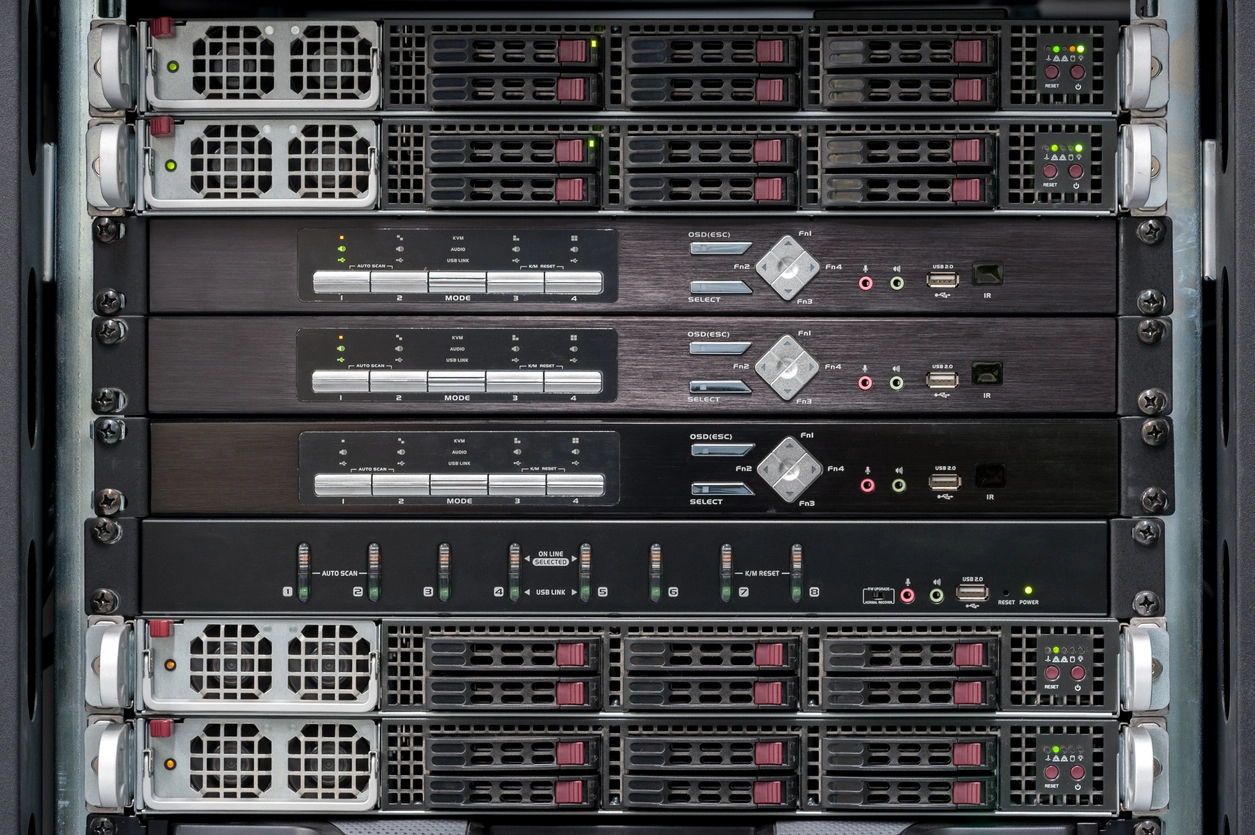
network video recorder for commercial security camera system

Network Video Recorders

Network video recorders store, manage, and provide playback access for IP security camera systems.

An NVR is often the center of a commercial camera system because it controls how footage is recorded, searched, retained, and reviewed.

NVR selection should account for camera count, resolution, storage retention, remote access, analytics, user permissions, and future expansion.

object tracking security camera following movement in commercial facility

Object Tracking

Object tracking features can help cameras follow movement, support smarter analytics, and improve awareness across larger monitored areas.

PTZ cameras may physically track people, vehicles, or objects, while some fisheye and fixed cameras support digital tracking or analytics inside the image.

Object tracking may also support unattended object detection, missing object detection, object counting, and other analytics depending on the camera system.

power over Ethernet security camera connected with network cable

Power Over Ethernet

Power over Ethernet cameras use one Ethernet cable to provide both power and video data for supported IP security cameras.

PoE can simplify installation by reducing the need for separate electrical outlets at every camera location.

Commercial PoE planning should account for switch power budget, cable distance, NVR compatibility, network layout, camera requirements, and future growth.

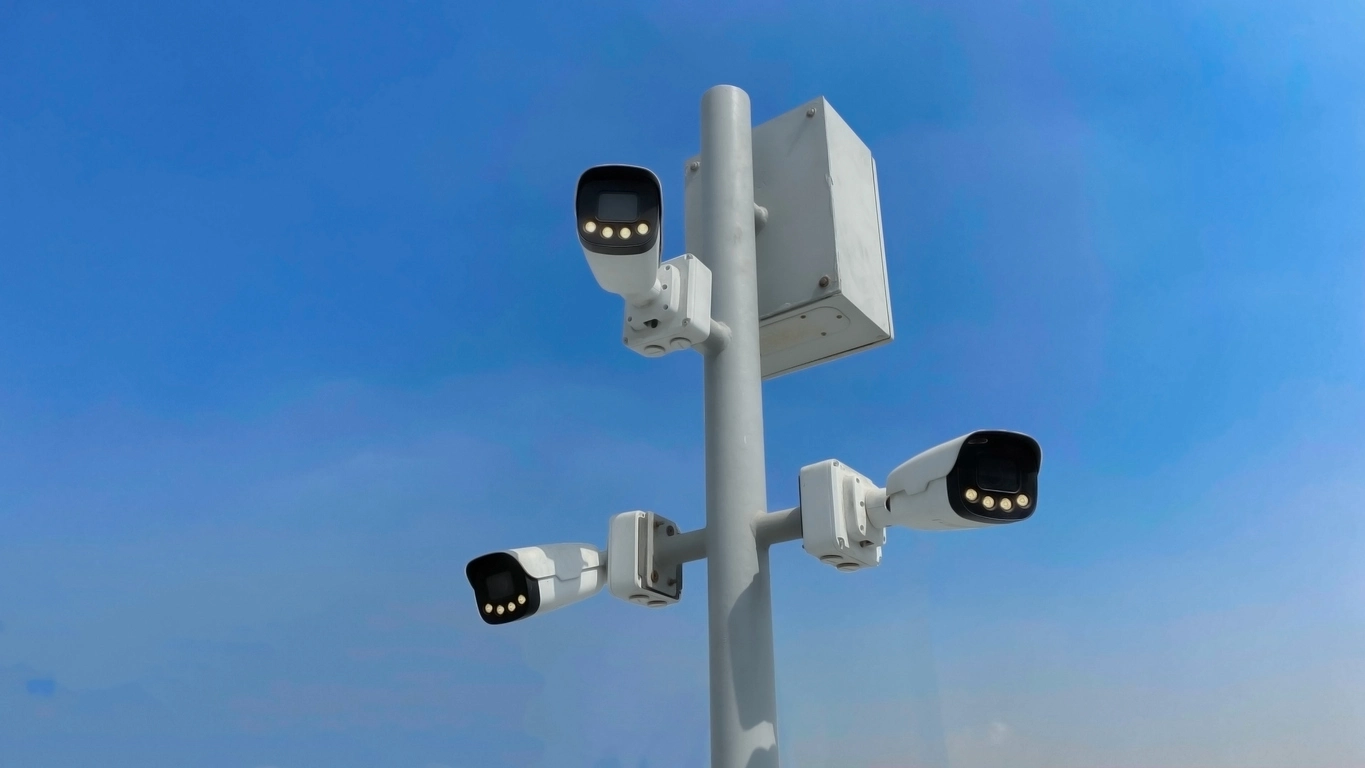
PTZ security camera mounted outdoors monitoring large commercial property

PTZ Cameras

PTZ cameras provide pan, tilt, and zoom control for large areas where flexible viewing and closer live review are valuable.

A PTZ camera can survey parking lots, yards, campuses, warehouses, events, and other wide areas from a strategic location.

Many businesses use PTZ cameras alongside fixed cameras so the PTZ can move and zoom while fixed cameras continue recording important overview footage.

remote access security camera app showing live business surveillance cameras on mobile phone

Remote Access

Remote access lets approved users view live and recorded camera footage from phones, tablets, laptops, or desktop computers.

Remote viewing is valuable for owners, managers, security teams, and multi-location organizations that need visibility without being physically on site.

A strong remote access setup should also include secure user permissions, reliable internet, controlled account access, and recorder compatibility.

security camera video storage system with NVR hard drives

Video Storage

Security camera storage planning determines how long footage remains available and whether the system can scale as camera needs grow.

Storage requirements depend on camera count, resolution, frame rate, compression, recording schedule, motion activation, and retention expectations.

Businesses may evaluate NVR hard drives, RAID, NAS, DAS, expansion servers, or other storage options depending on system size and footage retention needs.

thermal security camera view showing heat signatures around commercial property

Thermal Cameras

Thermal cameras detect heat signatures instead of relying on visible light, helping businesses monitor dark or low-visibility environments.

Thermal cameras are often strongest for detection rather than identification, especially around perimeters, yards, industrial sites, and remote exterior areas.

Many systems pair thermal cameras with visible-light cameras so teams can detect activity and still capture detail for review.

vandal proof security camera dome mounted on commercial building ceiling

Vandal Proof Cameras

Vandal proof cameras and rugged housings help protect surveillance equipment from tampering, impact, and harsh public or commercial environments.

Camera protection matters because damaged equipment cannot record the incident it was installed to capture.

Vandal-resistant cameras are often used in schools, public buildings, parking lots, warehouses, apartments, detention facilities, and high-traffic spaces.

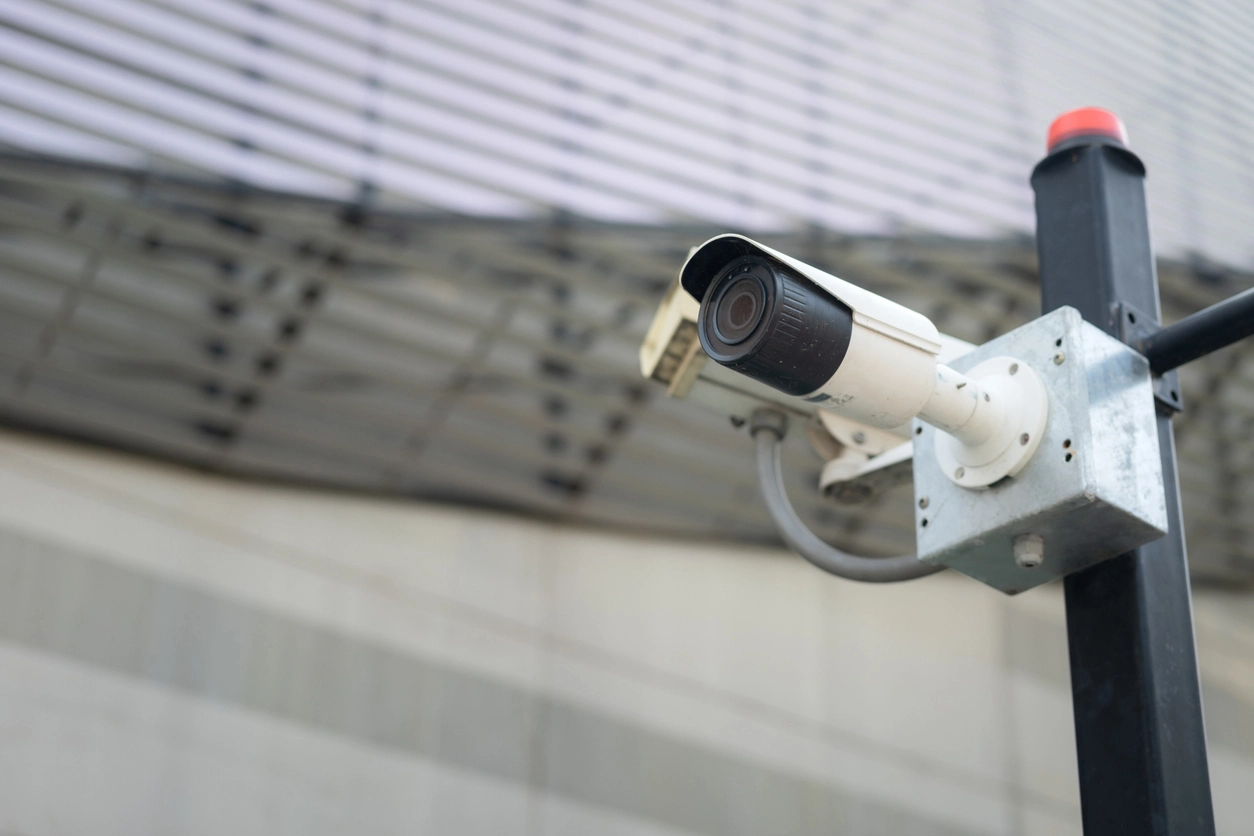
weatherproof security camera mounted outdoors on commercial building in rain

Weatherproof Cameras

Weatherproof security cameras help businesses monitor outdoor areas exposed to rain, snow, wind, dust, heat, cold, and moisture.

Outdoor camera selection should account for weather exposure, IP ratings, mounting hardware, sealed connections, temperature range, glare, and lighting.

Weatherproof cameras are commonly used around parking lots, entrances, gates, loading docks, yards, campuses, and commercial building exteriors.

wide dynamic range security camera view balancing bright windows and indoor shadows

Wide Dynamic Range

Wide dynamic range cameras help capture better footage in scenes with bright windows, shadows, glare, headlights, and high-contrast lighting.

WDR is especially useful at entrances, storefronts, lobbies, glass doors, loading docks, and vehicle access points where lighting changes throughout the day.

It helps reduce the problem of people appearing as dark silhouettes when standing in front of bright doors, windows, or outdoor backgrounds.

wireless security camera network connecting cameras across commercial property

Wireless Networks

Wireless security camera networks help connect cameras across remote buildings, parking lots, yards, campuses, poles, and hard-to-cable areas.

Commercial wireless camera systems often use dedicated wireless bridges rather than consumer-style Wi-Fi cameras.

Wireless networking can reduce trenching challenges, but it still requires line of sight, reliable power, bandwidth planning, weatherproof equipment, and proper mounting.

How Camera Features Fit Real Surveillance Needs

Feature selection works best when it starts with the property type, camera location, lighting conditions, recording requirements, and review expectations.

commercial parking lot monitored by nighttime security cameras

Nighttime & Low-Light Surveillance

Compare infrared, full color at night, thermal cameras, WDR, and outdoor lighting needs for areas that must stay visible after dark.

weatherproof security camera monitoring commercial parking lot outdoors

Outdoor & Harsh Environment Coverage

Plan weatherproof, vandal proof, explosion proof, thermal, and wireless camera options for exterior and industrial spaces.

network video recorder for commercial security camera system

Recording, Storage & Remote Review

Evaluate NVRs, video storage, motion activation, remote access, and centralized management for practical footage review.

license plate recognition camera monitoring commercial parking lot entrance

Vehicle & Parking Lot Monitoring

Use license plate recognition, PTZ, WDR, infrared, full color night cameras, and weatherproof equipment for vehicle-heavy areas.

fisheye security camera monitoring open warehouse work area

Large Area Camera Coverage

Compare fisheye cameras, PTZ cameras, object tracking, megapixel cameras, and centralized viewing for larger spaces.

Power over Ethernet security camera network design with PoE switch and NVR

Installation & Network Planning

Choose between PoE, wireless bridges, NVR connectivity, remote access, and scalable infrastructure for future camera expansion.

Security Camera Features for Better Business Surveillance

The right camera features can make the difference between footage that simply exists and footage that is actually useful.

Commercial surveillance systems need to be planned around the way a property operates. A camera near a glass entrance may need wide dynamic range. A parking lot camera may need weatherproofing, infrared, full color at night, or license plate recognition. A warehouse may need motion recording, storage planning, remote access, and high-resolution coverage in priority areas.

Feature decisions also affect long-term system performance. Higher resolution may improve detail but increase storage needs. Wireless networking may reduce trenching, but it still requires line of sight and reliable power. Remote access can help managers respond faster, but it should be configured with appropriate permissions and secure access.

Camera Security Now helps organizations compare these options so the final camera system supports useful footage, practical monitoring, reliable recording, and future expansion.

Frequently Asked Questions

Common questions from organizations comparing commercial security camera features and surveillance system options.

Which security camera features matter most for a business?

The most important features depend on the property, but common priorities include image resolution, night visibility, remote access, video storage, weatherproofing, vandal resistance, and camera placement.

Do I need 4K, 5MP, or another camera resolution?

Resolution should be selected based on the area being monitored, distance from the target, lighting, field of view, storage limits, and the level of detail needed during playback.

What features help cameras work better at night?

Infrared cameras, full color at night cameras, thermal cameras, good lighting, proper placement, and weatherproof outdoor equipment can all improve nighttime surveillance performance.

Can security camera systems be viewed remotely?

Yes. Many commercial camera systems support remote access for approved users through phones, tablets, laptops, or desktop computers, depending on the recorder and software setup.

How do I choose between PoE and wireless camera networking?

PoE is often preferred for modern IP camera systems because one Ethernet cable can carry power and data. Wireless networks can help where trenching or long cable runs are difficult, but cameras still need reliable power and proper network planning.

Need Help Choosing the Right Camera Features?

Tell us what areas you need to monitor, what lighting conditions you are dealing with, how long you need to keep footage, and whether you need remote access, outdoor protection, license plate capture, or specialty camera features.