

Chemical Processing Facilities
Monitor production areas, storage zones, restricted access points, and process equipment where hazardous materials require careful equipment selection.
Industrial Security Cameras
Camera Security Now helps industrial facilities evaluate explosion proof security cameras and camera housings for hazardous environments where standard surveillance equipment may not be suitable.
Hazardous locations require surveillance equipment that can handle more than ordinary indoor or outdoor conditions. Facilities with flammable materials, combustible dust, harsh weather, corrosive environments, or ignition risks need camera planning that accounts for safety, durability, and long-term reliability.
Explosion proof security camera housings are built to protect cameras in demanding environments where standard equipment may not be acceptable. Depending on the application, these housings may support hazardous location requirements, weather resistance, dust-tight protection, marine exposure, and heavy-duty industrial use.
Camera Security Now helps facilities evaluate explosion proof camera options for chemical plants, oil and gas operations, manufacturing sites, refineries, marine facilities, processing plants, and other environments where rugged camera protection matters.

Explosion proof camera systems are built for industrial environments where safety, durability, and proper housing selection are critical.
Support surveillance needs in areas where flammable vapors, gases, combustible dust, or ignition risks may be present.
Protect cameras from dust, moisture, corrosion, saltwater exposure, heavy wind, temperature extremes, and rugged industrial conditions.
Give teams better visibility into production areas, loading zones, process equipment, restricted areas, and remote facility sections.
Explosion proof cameras are often used where ordinary cameras may be exposed to hazardous materials, harsh conditions, or demanding industrial operations.
Monitor production areas, storage zones, restricted access points, and process equipment where hazardous materials require careful equipment selection.

Support visibility around tanks, pumps, yards, platforms, transfer areas, and industrial equipment in oil and gas environments.
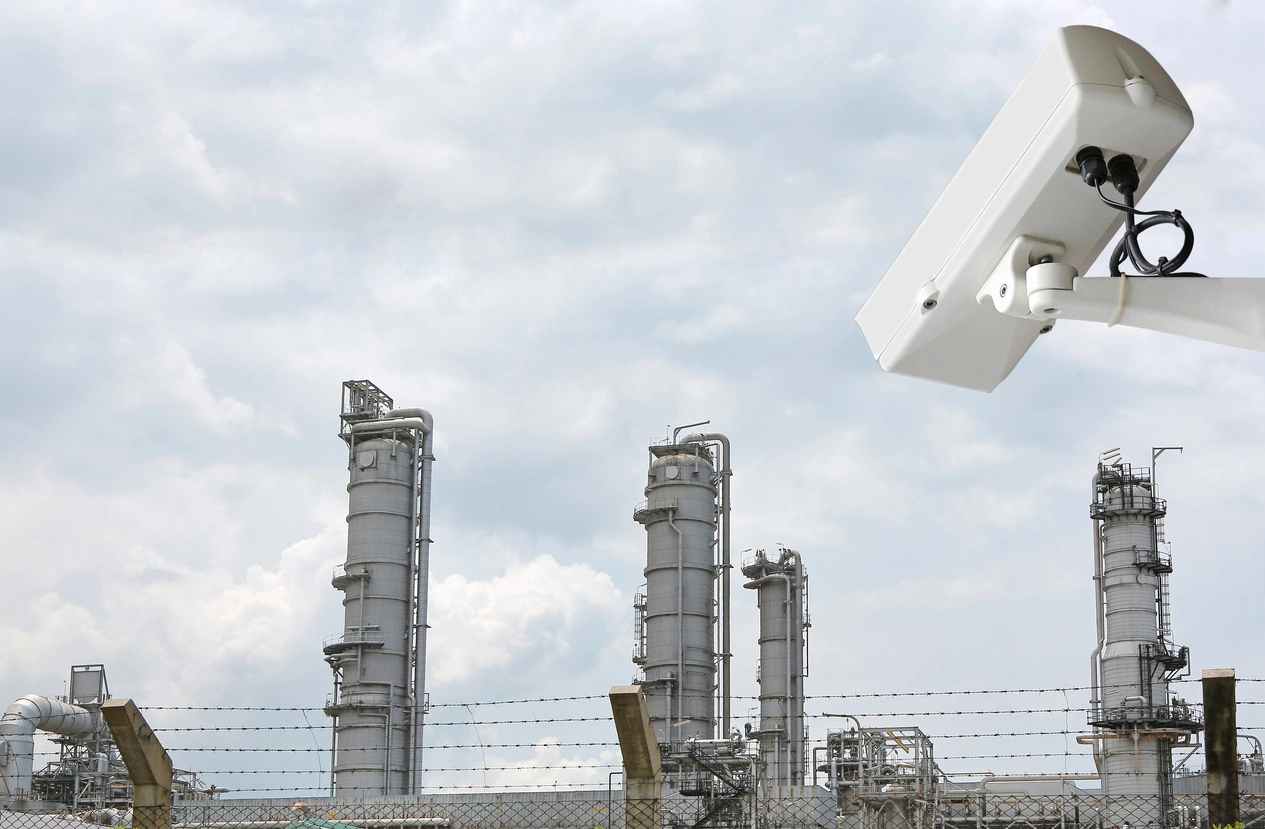
Monitor heavy-duty industrial operations, production lines, equipment areas, and restricted zones where standard cameras may not hold up.

Use rugged camera housings in saltwater, outdoor, dusty, wet, or corrosive environments where weather protection is a major concern.
Planning Considerations
Industrial surveillance planning should start with the conditions around the camera, not just the camera model itself.
The right housing can protect the camera from hazardous conditions while still allowing the lens, field of view, wiring, seals, and mounting hardware to perform correctly. Poor housing selection can create installation problems, maintenance issues, or footage that does not meet operational needs.
Camera Security Now can help evaluate hazardous location requirements, outdoor exposure, mounting locations, camera type, zoom needs, night visibility, network requirements, and recording goals before selecting an explosion proof camera or housing.

Explosion proof surveillance projects should be planned around the hazard classification, environment, camera view, installation method, and long-term maintenance needs.
Camera equipment should be selected based on the location type, materials present, ignition risks, and required industrial safety considerations.
NEMA, IP, marine, dust-tight, weatherproof, and corrosion-resistant ratings may all matter depending on where the camera is installed.
The housing should support the camera body, lens, mounting sled, field of view, zoom requirements, and service access.
Harsh industrial areas may need infrared, supplemental lighting, thermal options, or careful placement to capture usable footage.
Explosion proof cameras often work alongside industrial surveillance planning, high-resolution cameras, night visibility, remote access, and video storage.
Explosion proof security cameras help industrial facilities monitor hazardous and harsh environments while protecting camera equipment from demanding conditions.
Facilities in chemical processing, oil and gas, plastics, rubber, steel, marine, and heavy manufacturing often need more than a standard security camera. These environments may expose equipment to dust, moisture, corrosive air, flammable materials, temperature swings, or other conditions that require a more rugged camera design.
Explosion proof camera housings can protect cameras while supporting the visibility needed for operations, safety review, access monitoring, incident documentation, and remote oversight. The best solution depends on the rating requirements, camera location, image detail needed, lighting conditions, and how footage will be stored and reviewed.
Camera Security Now helps industrial buyers compare explosion proof cameras, camera housings, night visibility options, recording needs, and installation requirements so the final system fits the environment instead of forcing standard equipment into a hazardous location.
Get answers to common questions about this security camera solution.
Explosion proof security cameras are cameras or camera housings designed for hazardous environments where flammable vapors, dust, gases, or ignition risks may be present. They are commonly used in industrial, chemical, marine, oil and gas, and manufacturing environments.
They are commonly used in chemical plants, oil and gas facilities, refineries, plastics and rubber facilities, steel operations, marine environments, industrial processing areas, and other locations where standard camera equipment may not be appropriate.
A properly selected explosion proof housing should protect the camera without preventing useful video capture. Camera selection, lens choice, lighting, viewing angle, mounting location, and the housing window all affect final image quality.
Yes. Many explosion proof camera housings are designed for harsh outdoor environments and may include weatherproof, dust-tight, marine, and corrosion-resistant features depending on the model and rating.
Tell us about the facility, location conditions, and areas you need to monitor. We’ll help you evaluate explosion proof camera options that fit the environment.