
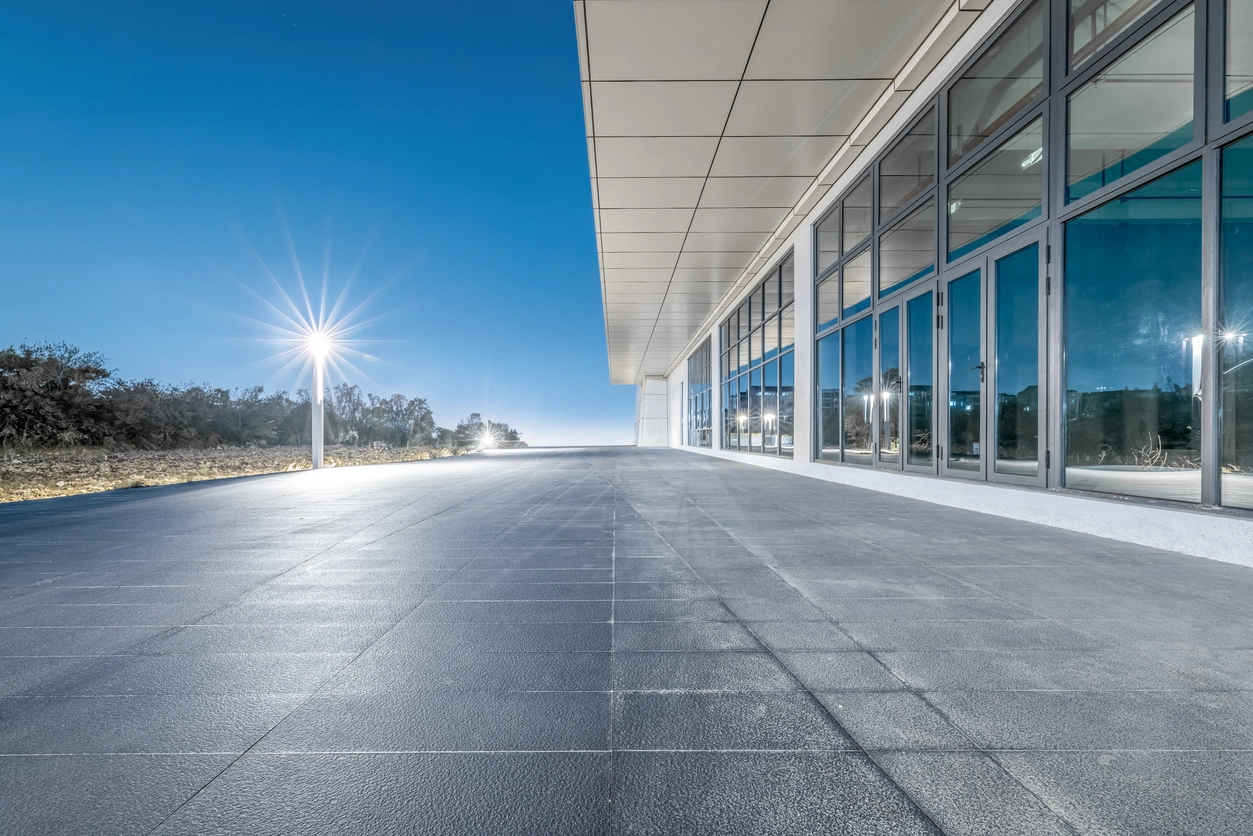
Glass Door Entrances
Improve visibility of people entering from bright outdoor areas into darker interiors, vestibules, and lobbies.
Challenging Lighting Camera Performance
Camera Security Now helps businesses evaluate wide dynamic range security cameras for entrances, windows, storefronts, loading areas, parking gates, and other high-contrast environments.
Some of the most important camera locations also have the most difficult lighting. Entrances, glass doors, storefront windows, loading docks, and parking lot gates often contain bright sunlight and deep shadows in the same scene.
Without wide dynamic range, a camera may expose for the bright background and leave the person in front too dark, or expose for the person and wash out the background. WDR helps balance those extremes so the footage is more useful for review.
Camera Security Now helps businesses evaluate WDR cameras for locations where lighting changes throughout the day or where glare, shadows, headlights, and backlighting make standard cameras less reliable.

Wide dynamic range helps improve footage in high-contrast scenes where standard cameras may miss important detail.
Capture more usable detail when people, vehicles, or objects appear in front of bright doors, windows, or exterior openings.
WDR is especially useful where sunlight, glass, and shadows make faces or clothing hard to see at entry points.
Reduce washed-out highlights and overly dark shadows in commercial areas where lighting conditions change throughout the day.
WDR cameras are valuable in business areas where bright light and shadows appear in the same camera view.
Improve visibility of people entering from bright outdoor areas into darker interiors, vestibules, and lobbies.

Balance footage around display windows, customer entrances, registers, and bright storefront areas where sunlight can wash out video.

Capture better detail when cameras face open dock doors, bright exterior yards, trailers, and darker interior work areas.
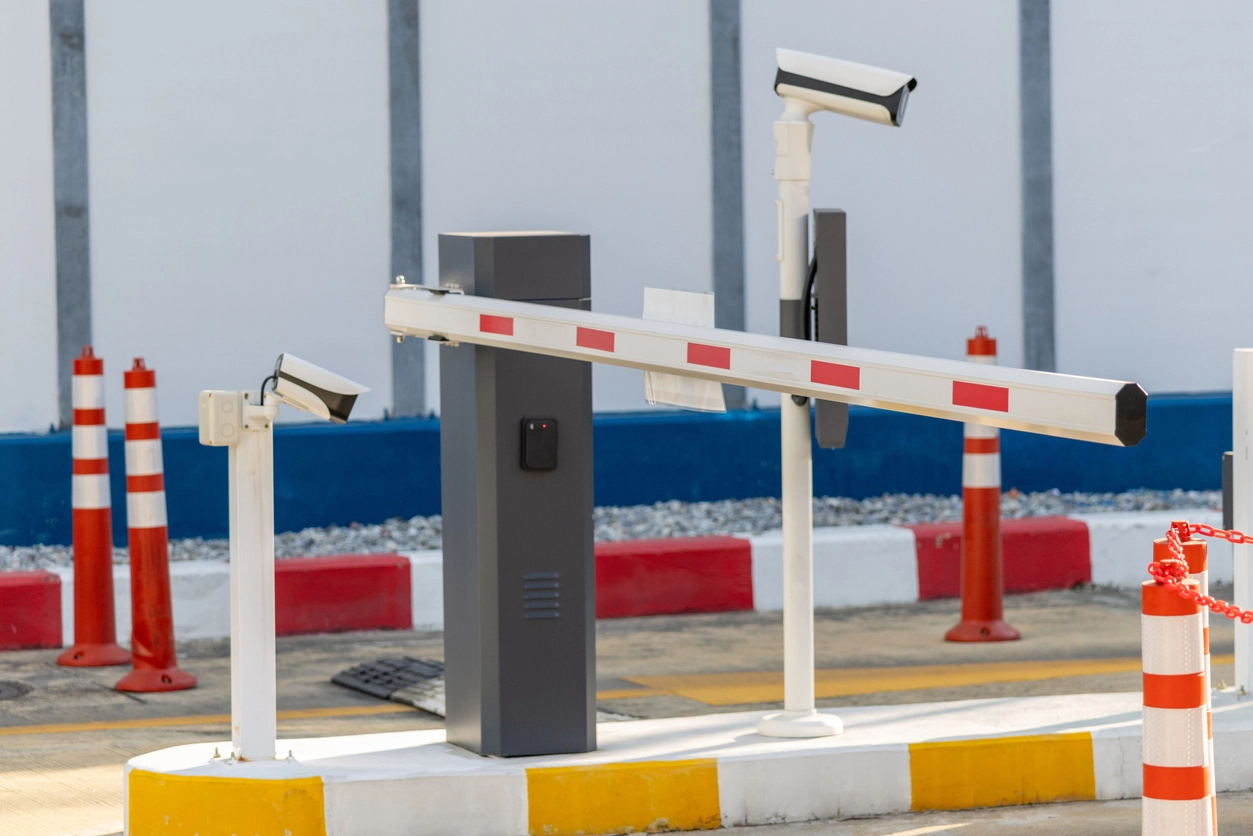
Reduce problems from headlights, sunlight, shadowed lanes, and changing outdoor lighting at vehicle access points.
Planning Considerations
Backlighting is one of the most common reasons security footage becomes difficult to use.
When a camera looks toward a bright window, doorway, or outdoor scene, the camera has to choose how to expose the image. A standard camera may turn the subject into a dark silhouette or wash out the bright background completely.
Wide dynamic range helps the camera process bright and dark portions of the image more effectively. This can make people, vehicles, packages, counters, and entry activity easier to review in locations where lighting is not evenly balanced.

WDR performance depends on camera placement, lighting direction, glass, glare, reflections, headlights, shadows, and the level of detail needed.
WDR is especially useful when a camera faces a bright exterior doorway or window from a darker interior space.
Glass, polished floors, metal surfaces, headlights, and direct sunlight can still affect footage and should be considered during placement.
WDR helps with difficult lighting, but the camera should still be mounted at a practical angle for faces, vehicles, and activity.
Outdoor light changes throughout the day, so camera performance should be evaluated for morning, afternoon, evening, and nighttime conditions.
Wide dynamic range often works alongside full color night cameras, infrared cameras, high-resolution cameras, license plate recognition, and outdoor camera planning.
Wide dynamic range security cameras help businesses capture more useful footage in high-contrast environments.
Many businesses place cameras near entrances, windows, storefronts, loading doors, and parking access points because these are important areas to monitor. Unfortunately, those same areas often have difficult lighting that can make standard camera footage hard to review.
WDR cameras help balance bright and dark areas in the same scene. This can improve visibility when people stand in front of a bright doorway, vehicles enter from a sunny parking lot, or a camera faces glass, glare, or strong backlighting.
Camera Security Now helps organizations compare WDR cameras, low-light cameras, infrared cameras, full color night cameras, high-resolution cameras, and placement strategies so the system captures clearer footage in challenging lighting conditions.
Get answers to common questions about this security camera solution.
Wide dynamic range, or WDR, helps a security camera capture more usable detail in scenes that contain both very bright and very dark areas, such as entrances with sunlight behind the subject.
WDR cameras are useful at entrances, lobbies, storefronts, loading docks, parking lot gates, glass doors, windows, and other areas with backlighting, glare, shadows, or high-contrast lighting.
Yes. WDR can help reduce the problem of faces appearing too dark when a person stands in front of a bright doorway or window, though camera placement and lighting still matter.
No. WDR helps balance bright and dark areas in high-contrast scenes. Night vision features such as infrared or full color at night are designed for low-light or nighttime conditions.
Tell us where glare, shadows, windows, headlights, or backlighting are causing camera problems. We’ll help you evaluate WDR camera options.