
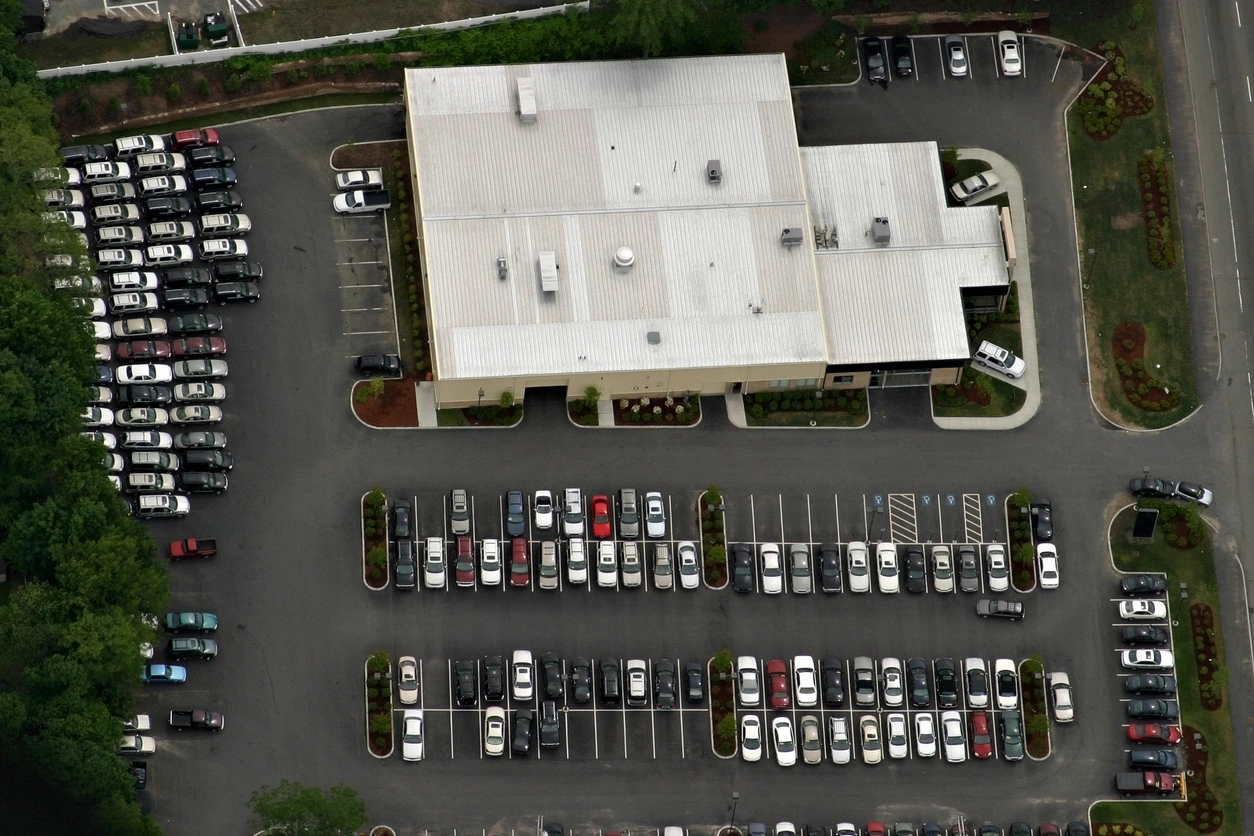
Parking Lot Entrances and Exits
Capture searchable vehicle events as cars enter or leave offices, retail properties, hospitals, schools, apartment communities, and other commercial sites.
AI Vehicle Identification
Camera Security Now helps businesses evaluate license plate recognition systems that capture searchable vehicle plate data at gates, parking entrances, delivery lanes, campuses, and other controlled access points.
License plate recognition, often called LPR or automatic license plate recognition, combines purpose-built camera views with compatible analytics that attempt to read visible plate characters from vehicles moving through a monitored lane.
That creates a different result from general parking lot surveillance. A standard overview camera may show the vehicle and surrounding context, while a dedicated LPR camera is positioned and configured specifically to capture usable plate imagery and plate-event data.
Commercial LPR can support investigations, parking operations, delivery and fleet review, campus security, gated access, visitor management, and vehicle watchlist or allowlist workflows when supported by the selected platform.
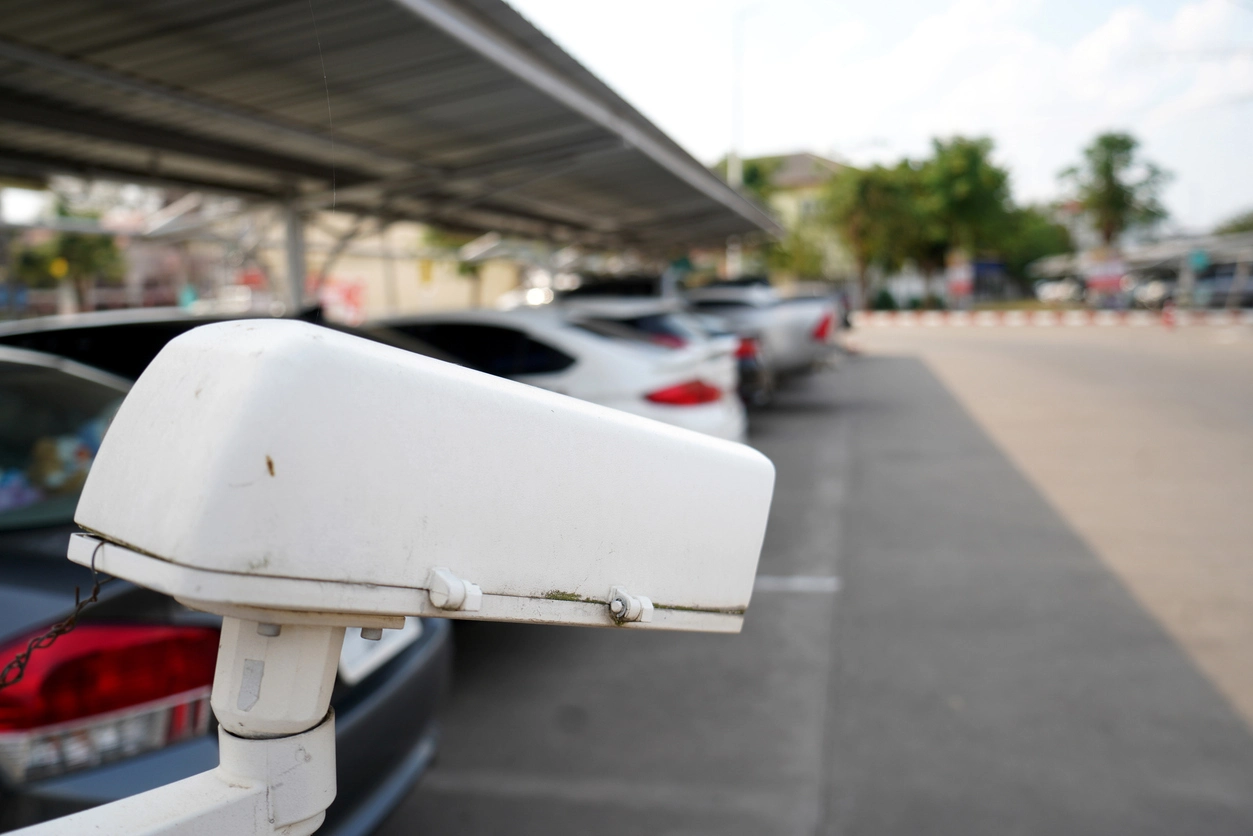
LPR combines vehicle surveillance with searchable plate-event data when plate characters are sufficiently visible to the camera.
Review captured plate events by time, lane, camera, or plate text when supported by the analytics platform.
Pair plate capture with overview cameras to understand which vehicle entered, where it traveled, and what happened around it.
Some systems can compare plates against configured lists for gate access, alerts, or authorized vehicle workflows.
The strongest LPR designs place dedicated cameras where vehicle direction, speed, distance, and lane geometry are predictable.
Capture searchable vehicle events as cars enter or leave offices, retail properties, hospitals, schools, apartment communities, and other commercial sites.
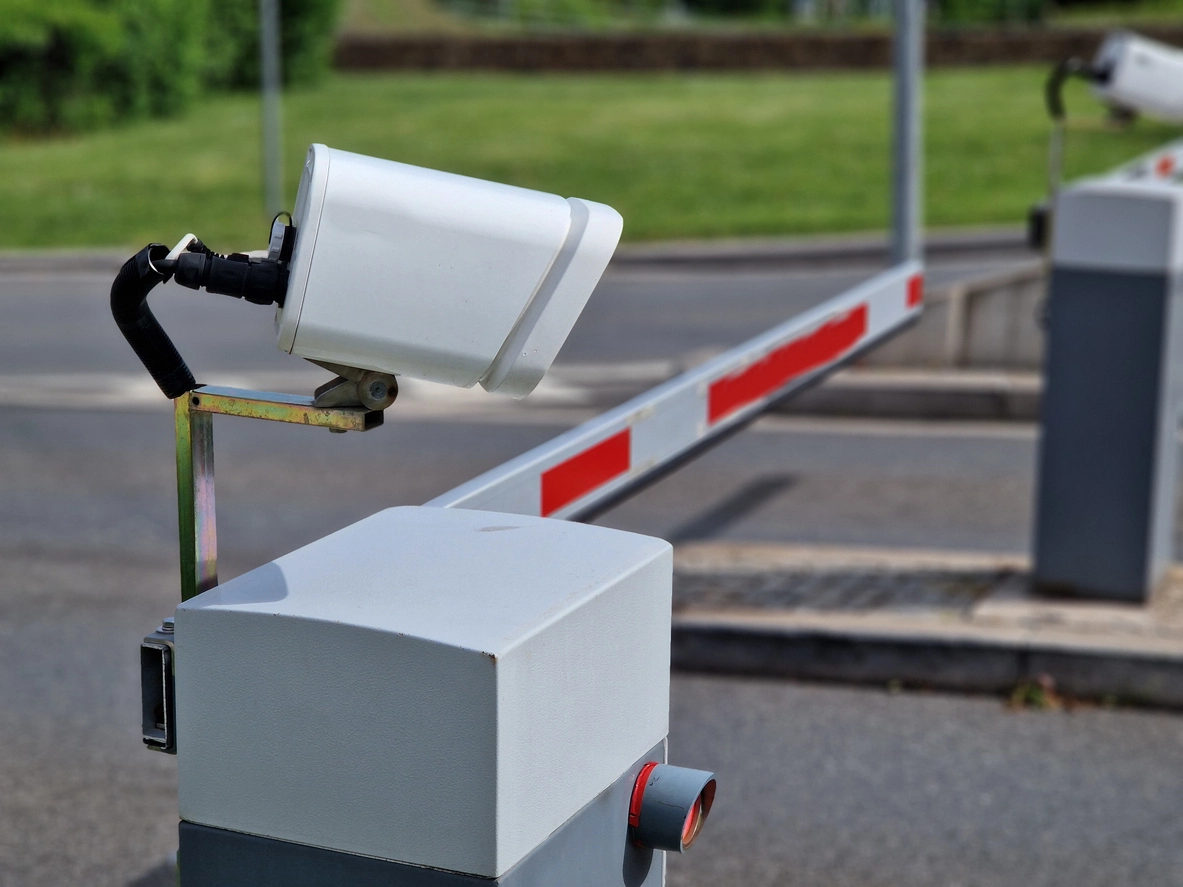
Support approved-vehicle workflows at private drives, secure facilities, campuses, residential communities, and controlled parking areas.

Review trucks, vendors, contractors, employee vehicles, and deliveries entering logistics yards and loading areas.
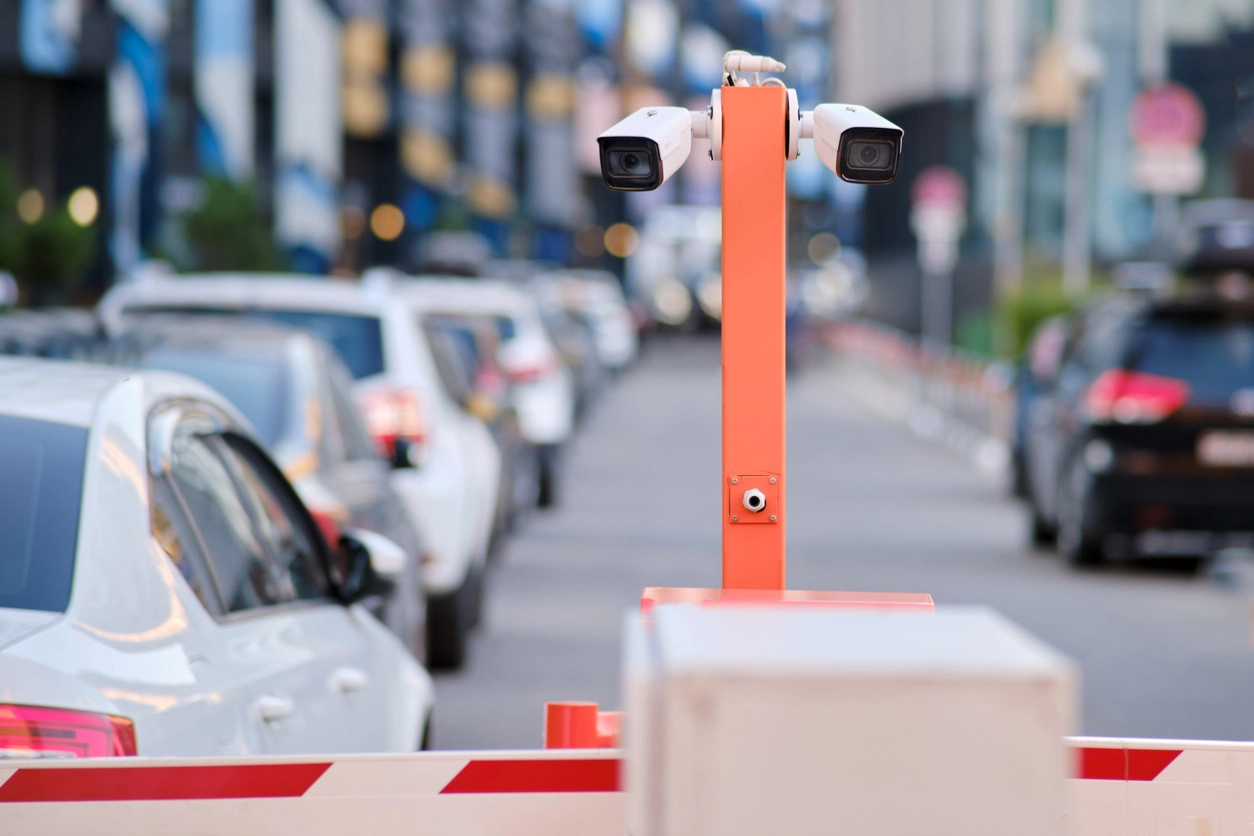
Add plate data to surveillance around inventory lots, service entrances, vehicle staging areas, and customer access lanes.
Planning Considerations
Vehicle detection can tell you that a vehicle is present. LPR attempts to identify the visible plate associated with that vehicle.
A vehicle-detection rule can create an event when a car or truck enters a zone, crosses a line, or appears after hours. LPR requires a more specialized view so the plate occupies enough pixels in the image and is not overwhelmed by motion blur, headlights, angle, distance, or glare.
For that reason, many commercial systems use both an overview camera and a dedicated LPR camera. The overview camera preserves scene context while the plate camera concentrates on the vehicle lane and plate capture task.
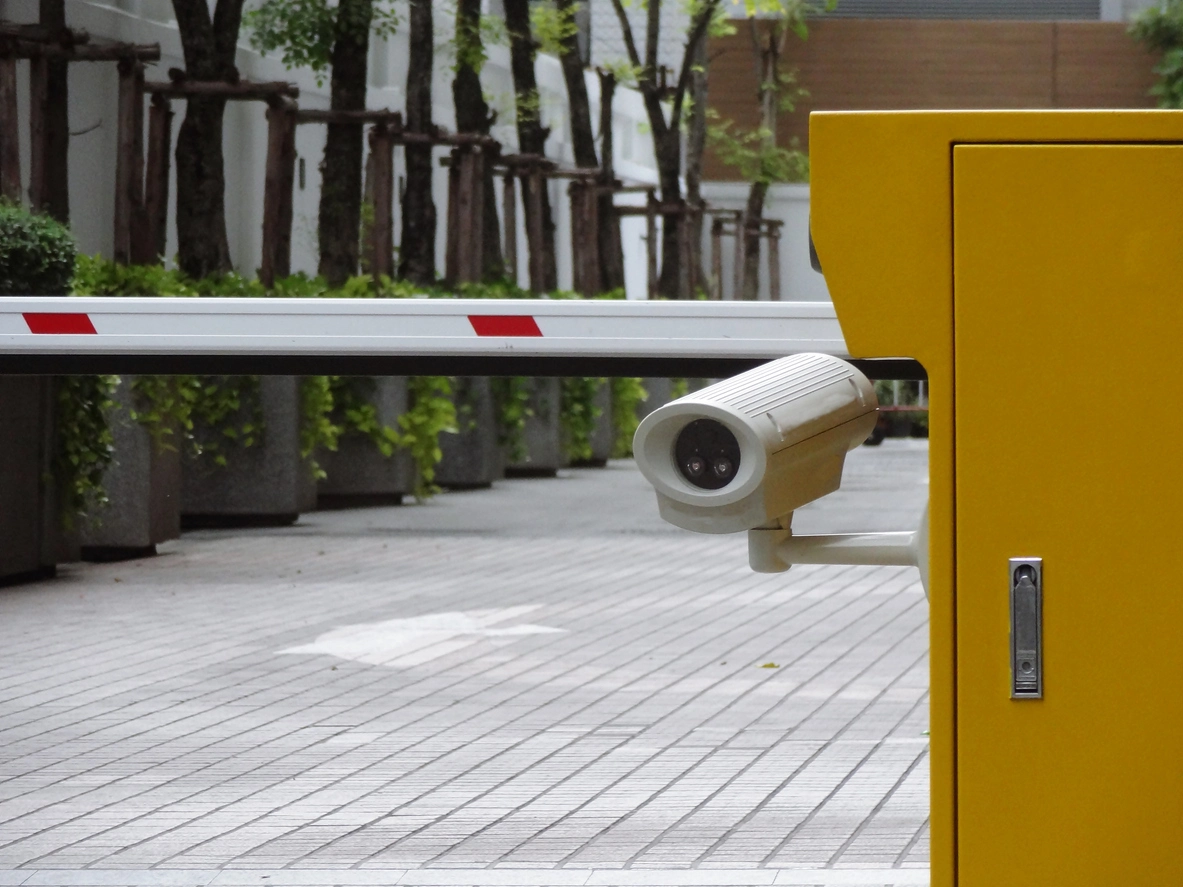
Good plate recognition depends on the camera view, the vehicle path, and realistic expectations for the selected platform.
The plate must appear large enough and straight enough in the image for the analytics to interpret it reliably.
Faster vehicles require appropriate shutter and exposure settings to reduce motion blur.
IR illumination, headlights, reflective plates, glare, weather, and surrounding lighting can all affect plate readability.
Organizations should define who can search plate records, how long data is retained, and how alerts or lists are governed.
LPR often works alongside vehicle detection, line-crossing analytics, access control, parking lot surveillance, infrared cameras, and centralized management.
License plate recognition helps organizations turn selected vehicle lanes into searchable plate-event sources rather than relying only on general parking lot footage.
Commercial LPR is most effective at controlled vehicle chokepoints such as entrances, exits, gates, drive lanes, delivery approaches, and parking access points. These locations give the camera a predictable target and make plate size, angle, and exposure easier to manage.
LPR can support incident investigation, parking operations, fleet and delivery review, visitor management, gated access, and alert workflows. Capabilities vary by platform, including how plate data is searched, retained, exported, matched against lists, or associated with video clips.
Camera Security Now helps organizations evaluate dedicated plate cameras, overview cameras, analytics software, storage, networking, access-control integration, and data-handling requirements for practical commercial LPR deployments.
Get answers to common questions about this security camera solution.
License plate recognition uses a camera and compatible analytics to capture plate imagery and convert readable plate characters into searchable vehicle event data.
Vehicle detection identifies that a vehicle is present or moving through a monitored area. LPR goes further by attempting to capture and interpret the visible license plate characters.
Yes, when the system is designed for nighttime plate capture. Vehicle speed, lane width, angle, distance, IR illumination, exposure, headlights, weather, and plate visibility all affect performance.
Some LPR platforms can compare captured plates with configured allowlists or watchlists and integrate with gate or access-control workflows, depending on the selected hardware and software.
Tell us where vehicles enter, exit, or pass through the property. We’ll help you evaluate the camera placement, analytics, recording, and integration needed for a practical LPR system.