

Office Buildings
Install IP cameras around entrances, hallways, reception areas, parking areas, and shared spaces with cleaner low-voltage cabling.
IP Camera Power and Network Cabling
Camera Security Now helps businesses plan Power over Ethernet security camera systems that use one Ethernet cable to provide both camera power and video data for modern IP surveillance.
Modern IP camera systems often use Power over Ethernet, or PoE, to simplify installation. Instead of running one cable for video and another for electrical power, a PoE camera can receive power and transmit video through the same network cable.
This can reduce installation complexity, lower wiring costs, and make camera systems easier to manage as businesses add cameras over time. PoE is especially useful for offices, warehouses, schools, retail stores, restaurants, government buildings, manufacturing facilities, and multi-camera commercial systems.
Camera Security Now helps businesses evaluate PoE cameras, switches, NVRs, cable runs, power budgets, camera locations, and future expansion needs so the final system is easier to install and maintain.
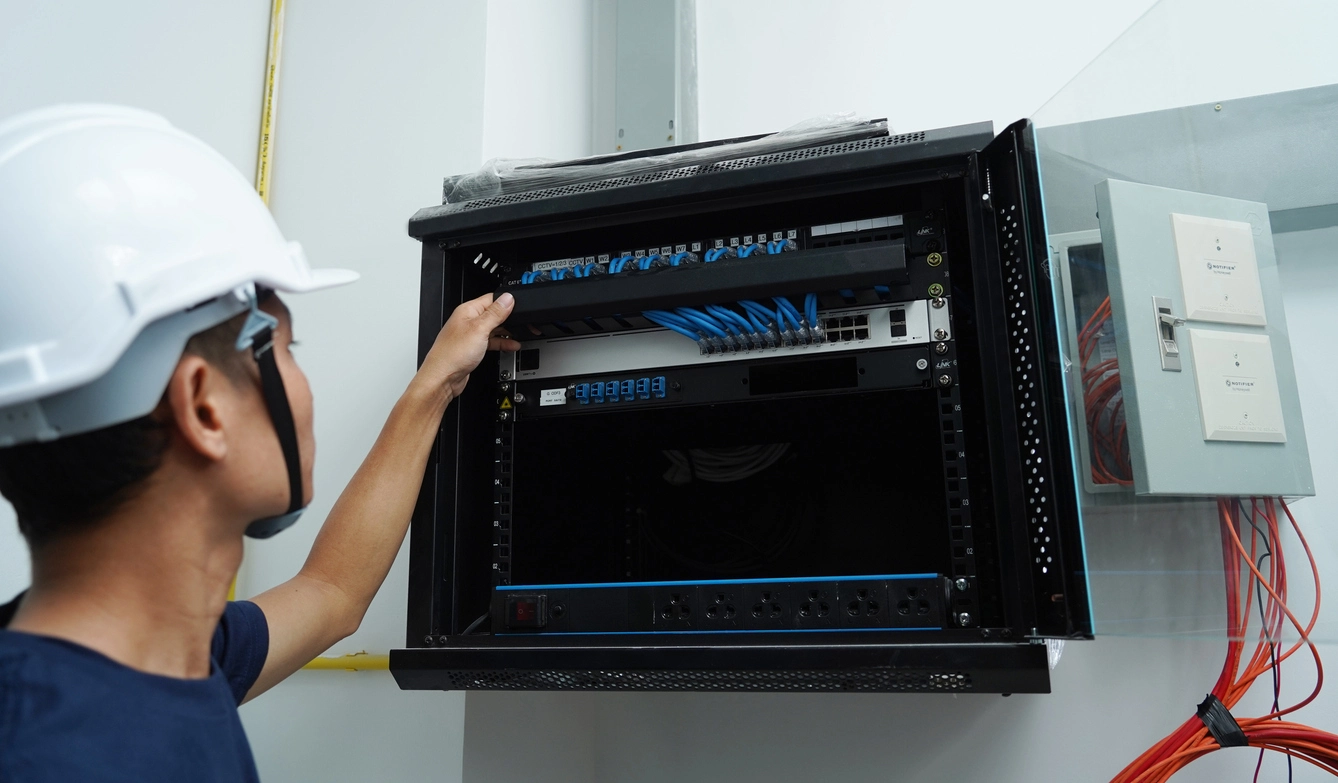
Power over Ethernet gives commercial camera systems a cleaner and more scalable installation path.
One Ethernet cable can carry both power and video data, reducing the need for separate power wiring at each camera location.
PoE supports modern IP camera systems that connect to network switches, NVRs, and video management platforms.
Businesses can often add cameras more efficiently when cabling, switching, and power budgets are planned correctly.
PoE cameras are useful for many commercial surveillance systems because they simplify installation across different property types.
Install IP cameras around entrances, hallways, reception areas, parking areas, and shared spaces with cleaner low-voltage cabling.

Connect cameras across docks, aisles, inventory areas, shipping zones, entrances, and exterior walls with network-based camera infrastructure.

Support cameras across entrances, hallways, cafeterias, parking lots, athletic areas, and multi-building campus environments.

Use PoE camera systems for registers, customer areas, stock rooms, drive-thru lanes, kitchens, entrances, and parking areas.
Planning Considerations
A PoE camera system should be designed around cable distance, power budget, network equipment, and camera requirements.
PoE does not mean any cable can be run anywhere without limits. Ethernet distance, cable quality, switch power budget, PoE standard, camera power draw, outdoor runs, surge protection, and network capacity all matter.
The best PoE surveillance systems are planned before installation begins. Camera Security Now can help evaluate whether cameras should be powered by a PoE switch, PoE injector, PoE NVR, or another network design based on the property and camera count.
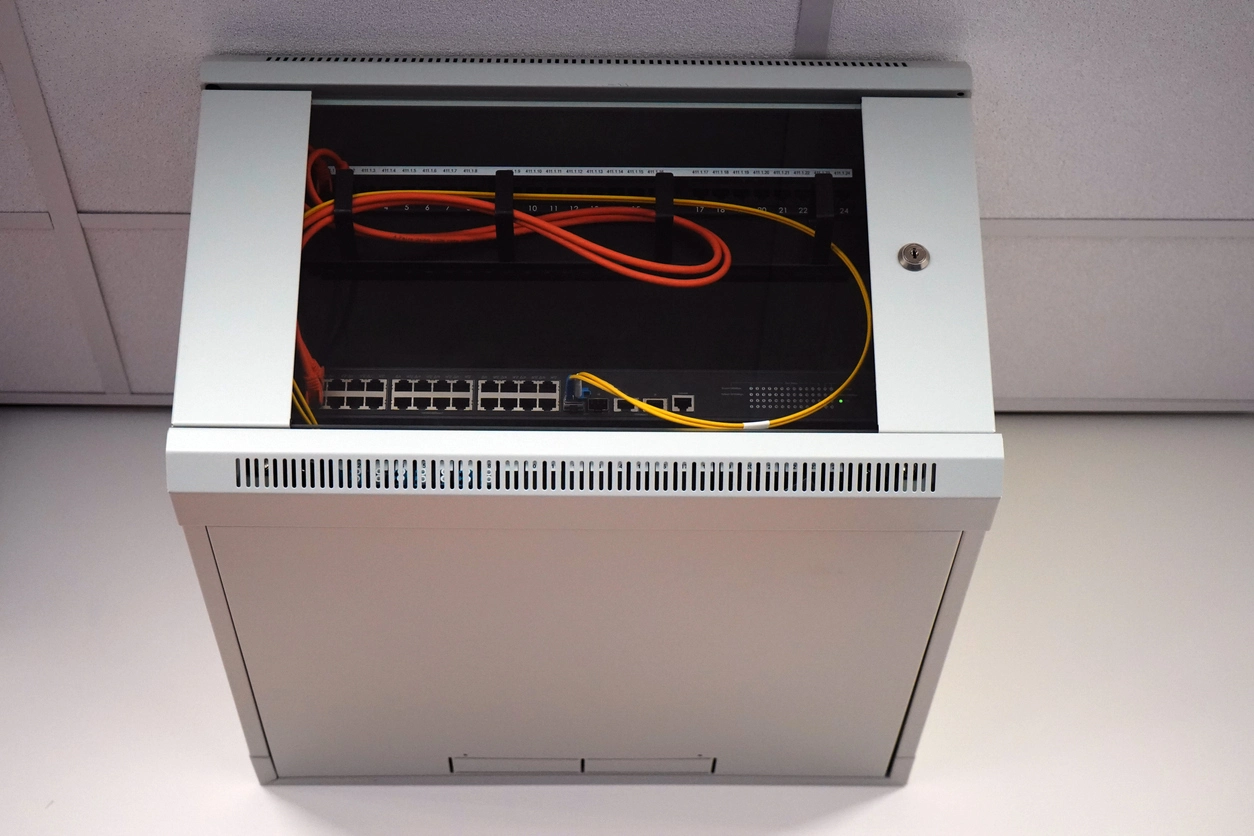
PoE camera planning should account for cable length, power requirements, switch capacity, network layout, recorder compatibility, and future growth.
Switches and NVRs must provide enough total power for the connected cameras, especially PTZ, heater, blower, or high-power outdoor models.
Standard Ethernet runs have distance limits, so larger properties may need switches, fiber, extenders, or other network planning.
Different cameras may use different PoE standards, power levels, and network requirements depending on the model.
PoE camera systems should be designed with the NVR, switches, IP addressing, bandwidth, and remote access requirements in mind.
PoE camera systems often work alongside NVRs, remote access, high-resolution cameras, motion activation, and video storage.
Power over Ethernet security cameras make modern IP surveillance systems easier to install, manage, and expand.
Power over Ethernet is one of the most useful features in modern IP camera systems. By delivering power and video data through one Ethernet cable, PoE can reduce the need for separate electrical wiring at every camera location and make surveillance systems easier to deploy across commercial properties.
PoE cameras are common in offices, schools, retail stores, warehouses, restaurants, manufacturing facilities, parking areas, and government buildings. They work especially well when the system is planned with the right switches, NVRs, cable runs, bandwidth, and power budget.
Camera Security Now helps organizations compare PoE cameras, PoE switches, PoE NVRs, storage requirements, remote access needs, and camera placement so the finished system supports both current coverage and future expansion.
Get answers to common questions about this security camera solution.
Power over Ethernet security cameras, often called PoE cameras, are IP cameras that receive power and transmit video data over the same Ethernet cable. This can simplify installation compared with cameras that require separate power and data wiring.
Usually no. PoE cameras can receive power through an Ethernet cable from a PoE switch, PoE injector, or compatible NVR, reducing the need for a separate electrical outlet at each camera location.
Yes. PoE cameras are widely used in commercial IP camera systems because they simplify cabling, support network-based video recording, and make it easier to expand or manage camera systems.
A PoE camera system typically needs PoE-capable cameras, Ethernet cabling, a PoE switch, PoE injector, or PoE NVR, plus a recorder or video management system for storing and reviewing footage.
Tell us how many cameras you need and where they will be installed. We’ll help you evaluate PoE cameras, switches, cable runs, and recorder options.