
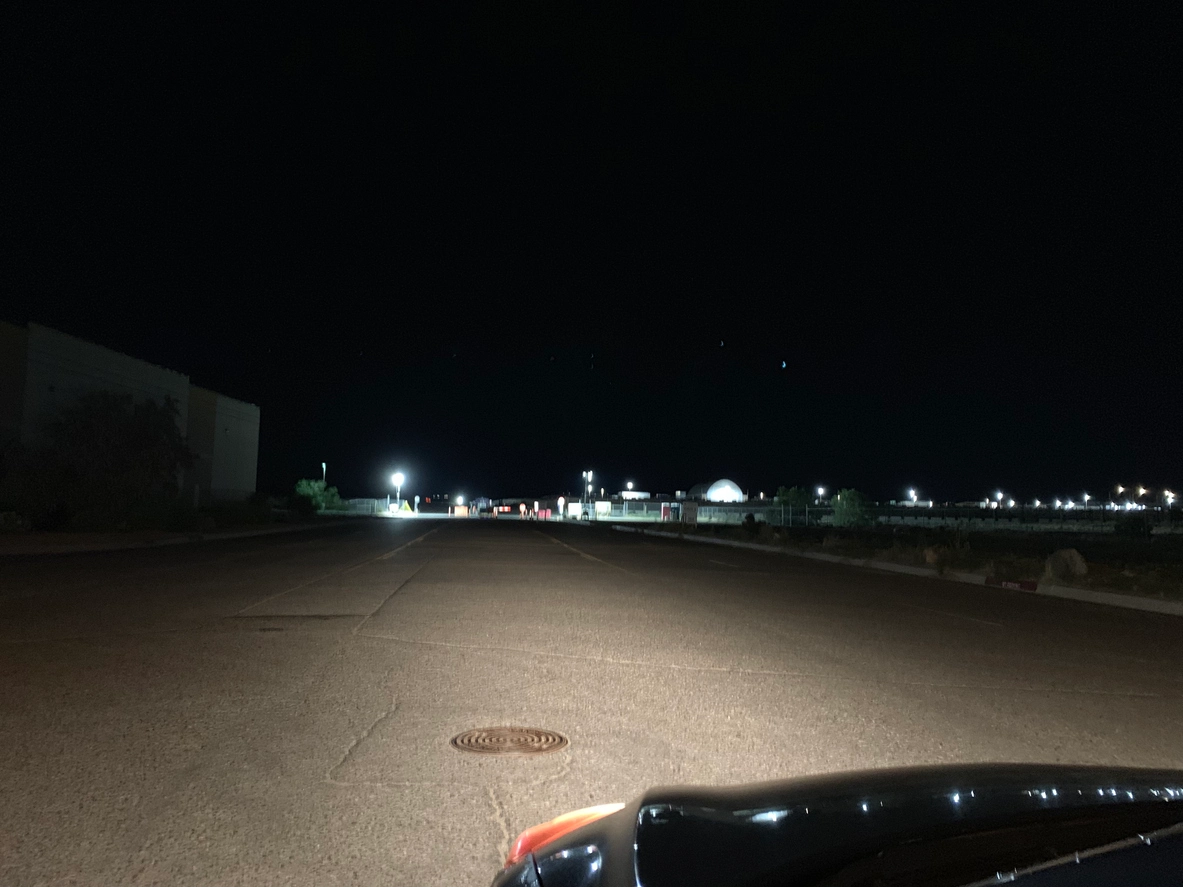
Perimeter and Fence Lines
Detect people, vehicles, or movement along fence lines, property boundaries, remote gates, and large exterior perimeters.
Heat Signature Surveillance
Camera Security Now helps businesses evaluate thermal security cameras for perimeter detection, low-visibility monitoring, industrial facilities, remote yards, campuses, and commercial properties.
Unlike traditional cameras, thermal security cameras do not need visible light to capture useful detection footage. Instead, they detect differences in heat emitted by people, vehicles, animals, equipment, and objects within the camera view.
Thermal cameras are valuable in areas where lighting is poor, weather is challenging, or visibility can be limited by darkness, fog, rain, smoke, dust, or distance. They are especially useful for perimeter detection, industrial monitoring, yards, remote properties, and large outdoor areas.
Camera Security Now helps businesses compare thermal cameras, hybrid thermal-visible cameras, infrared cameras, full color night cameras, and fixed camera coverage so each area receives the right type of visibility.

Thermal cameras help detect activity in conditions where standard cameras may struggle to see clearly.
Thermal cameras detect heat signatures, allowing them to monitor activity in darkness without relying on traditional lighting.
Thermal imaging can help in fog, smoke, rain, dust, and other conditions where visible-light cameras may lose effectiveness.
Use thermal cameras to detect people, vehicles, animals, or movement around fences, yards, boundaries, and remote areas.
Thermal cameras are strongest where detection matters more than visible color detail.
Detect people, vehicles, or movement along fence lines, property boundaries, remote gates, and large exterior perimeters.
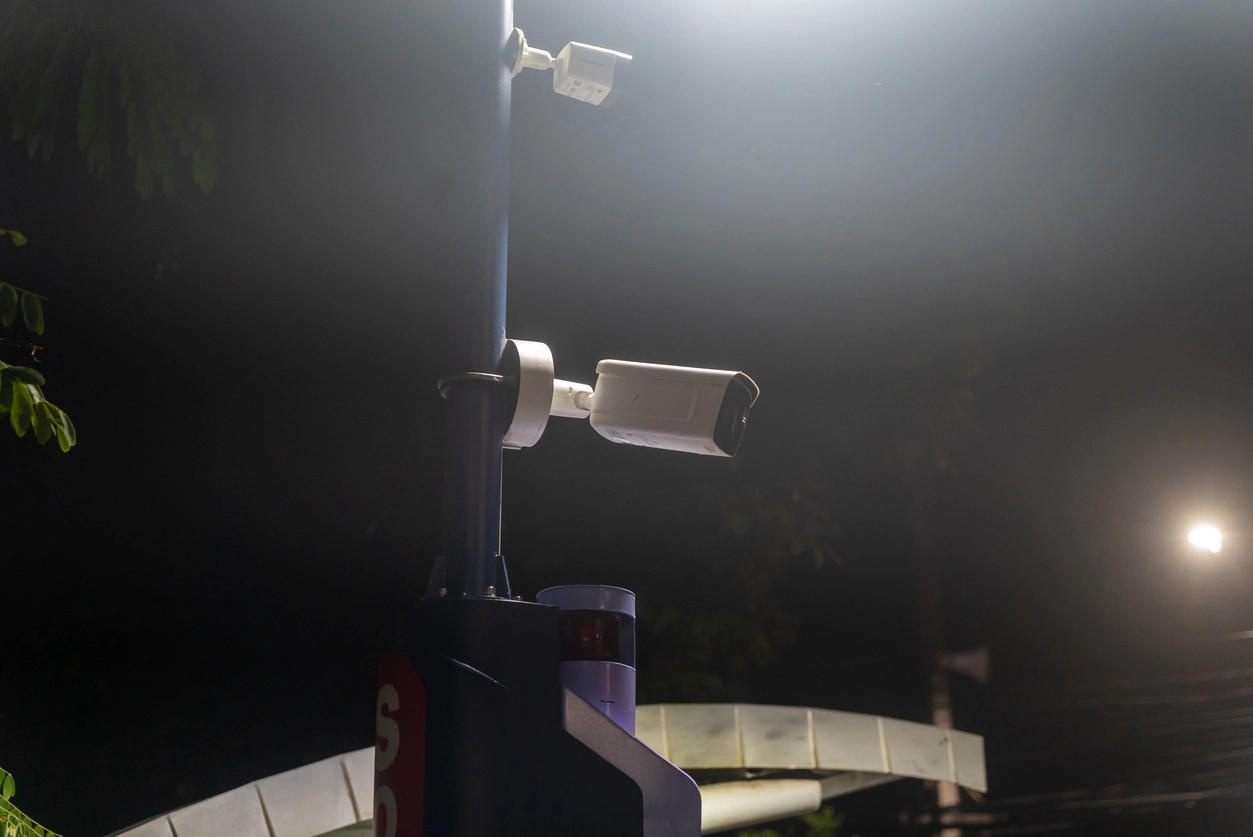
Monitor yards, equipment areas, substations, manufacturing sites, chemical facilities, and infrastructure locations in challenging conditions.
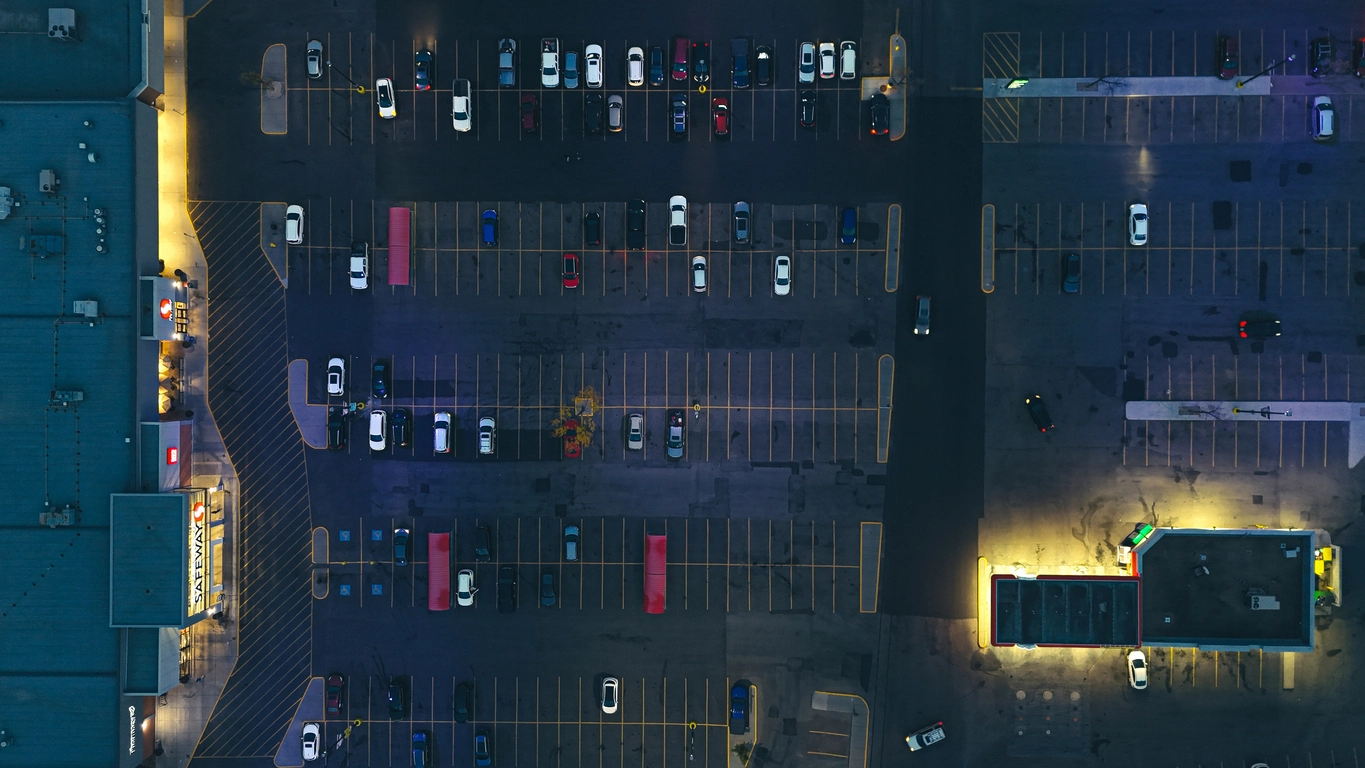
Support detection around trailer yards, storage areas, loading zones, vehicle lots, and remote exterior sections of the property.
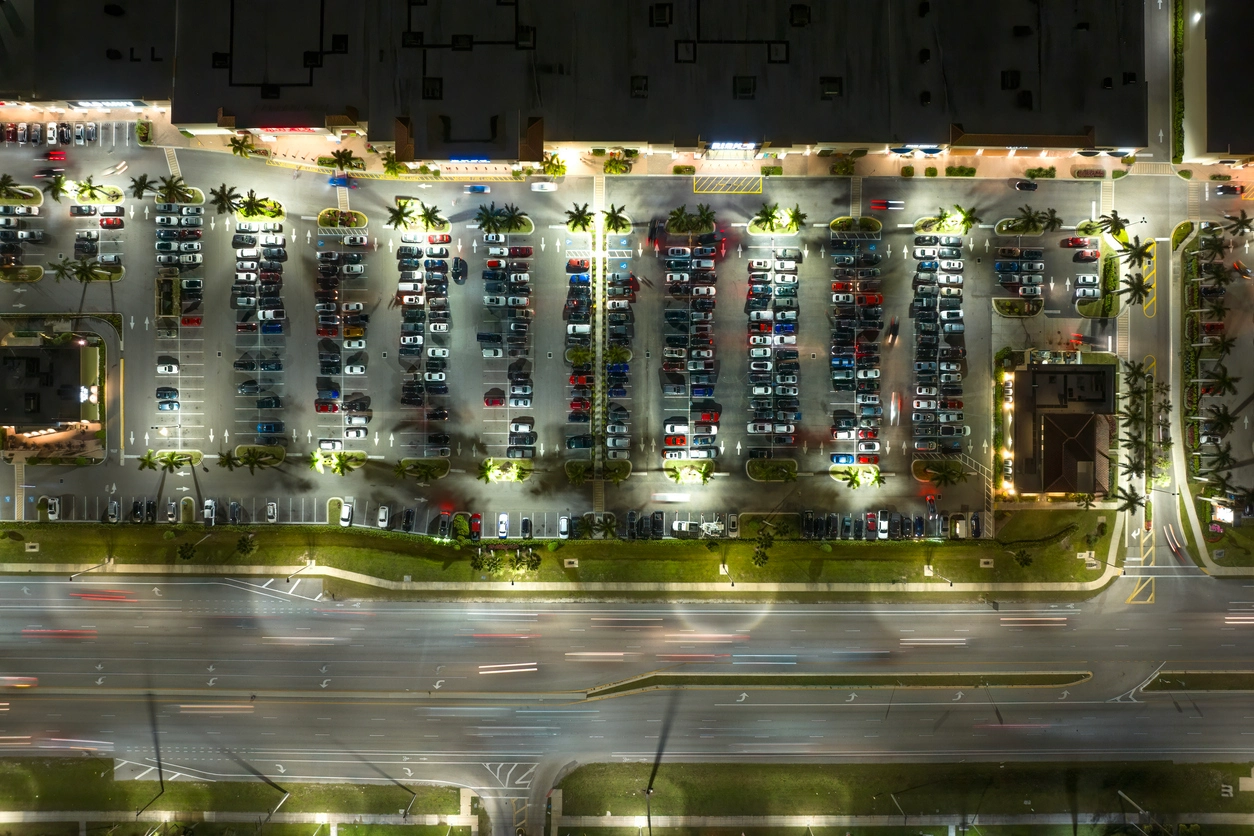
Improve nighttime and low-visibility awareness around campuses, public facilities, parking areas, fields, and remote building approaches.
Planning Considerations
Thermal imaging can help identify that someone or something is present, but it does not replace detailed visible-light footage.
Thermal cameras are especially strong for detecting heat signatures at night or in low-visibility environments. However, they usually do not provide color detail, facial detail, clothing color, license plate detail, or the same kind of visible evidence as a standard camera.
Many businesses use thermal cameras together with visible-light cameras. The thermal camera detects activity, while the visible camera provides detail for review, identification, and documentation.
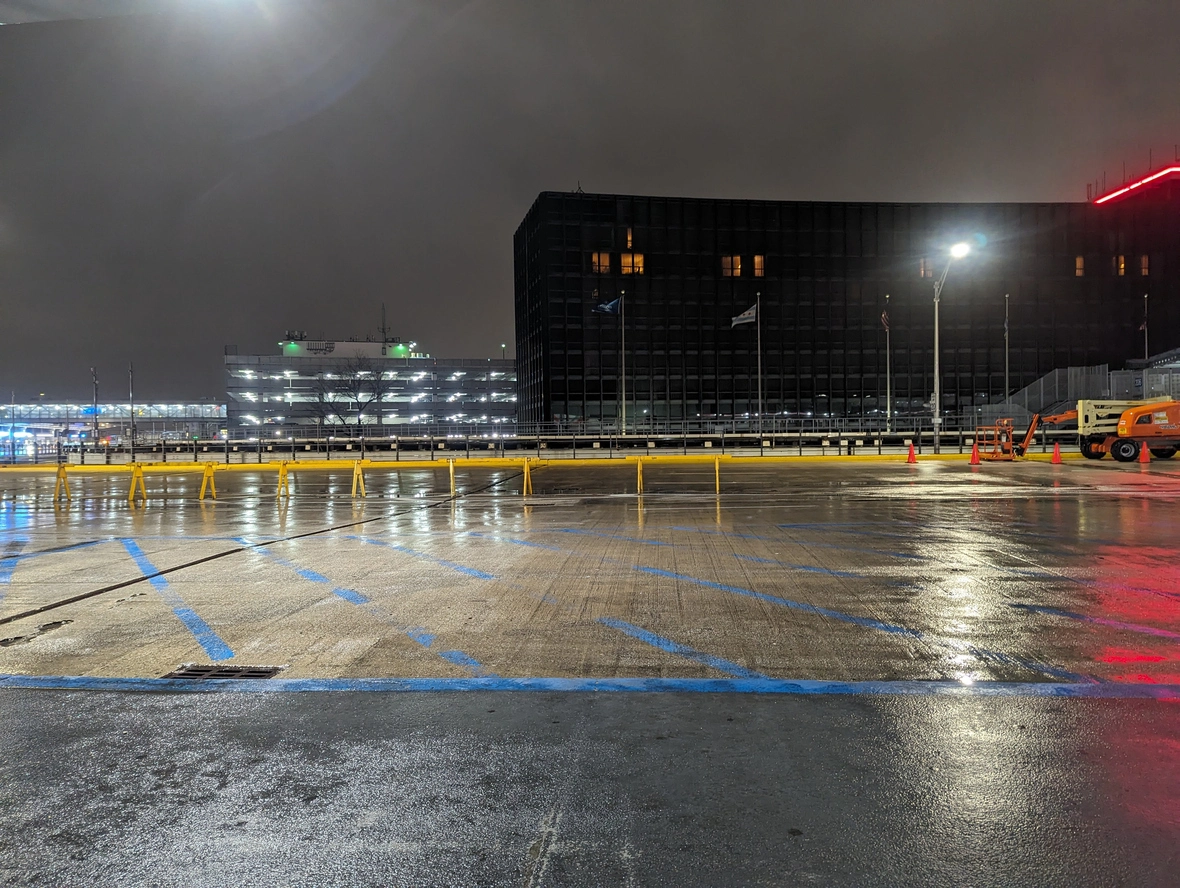
Thermal camera performance depends on detection distance, field of view, environmental conditions, analytics, and whether visible-light cameras are also needed.
Thermal cameras are best for detecting presence and movement, while visible-light cameras are better for identifying faces, colors, and details.
Fog, rain, smoke, heat, distance, background temperature, and weather can all affect thermal image performance.
Hybrid thermal-visible cameras or paired visible cameras can provide both heat detection and standard video detail.
Thermal cameras may support intrusion detection, line crossing, area detection, and other analytics depending on the camera and software.
Thermal cameras often work alongside infrared cameras, full color night cameras, PTZ cameras, object tracking, and perimeter surveillance planning.
Thermal security cameras help businesses detect activity in darkness and low-visibility environments where visible-light cameras may not be enough.
Thermal surveillance is useful when the main goal is detecting the presence of people, vehicles, animals, or objects rather than capturing visible color detail. Because thermal cameras detect heat, they can monitor areas where light is limited or where weather conditions make standard camera footage less reliable.
Businesses often consider thermal cameras for perimeter protection, industrial sites, yards, utilities, warehouses, campuses, remote facilities, and large outdoor areas. They can be especially valuable when paired with analytics, PTZ cameras, fixed visible cameras, or remote monitoring workflows.
Camera Security Now helps organizations compare thermal cameras, visible-light cameras, infrared cameras, full color night cameras, recording systems, and placement strategies so the surveillance design supports detection and review needs.
Get answers to common questions about this security camera solution.
Thermal security cameras detect heat signatures from people, vehicles, animals, equipment, and objects instead of relying on visible light. This allows them to monitor activity in darkness and certain low-visibility conditions.
Yes. Thermal cameras detect heat rather than visible light, so they can work in complete darkness when the target has a detectable temperature difference from the background.
Thermal cameras can often perform better than visible-light cameras in fog, rain, smoke, or dust, but performance depends on the density of the obstruction, distance, camera model, and environmental conditions.
Thermal cameras are generally better for detection than identification. They can help detect people or vehicles, but visible-light cameras are usually needed for facial detail, color, and identification footage.
Tell us what perimeter, yard, facility, or outdoor area you need to monitor. We’ll help you compare thermal cameras with infrared and visible-light options.