
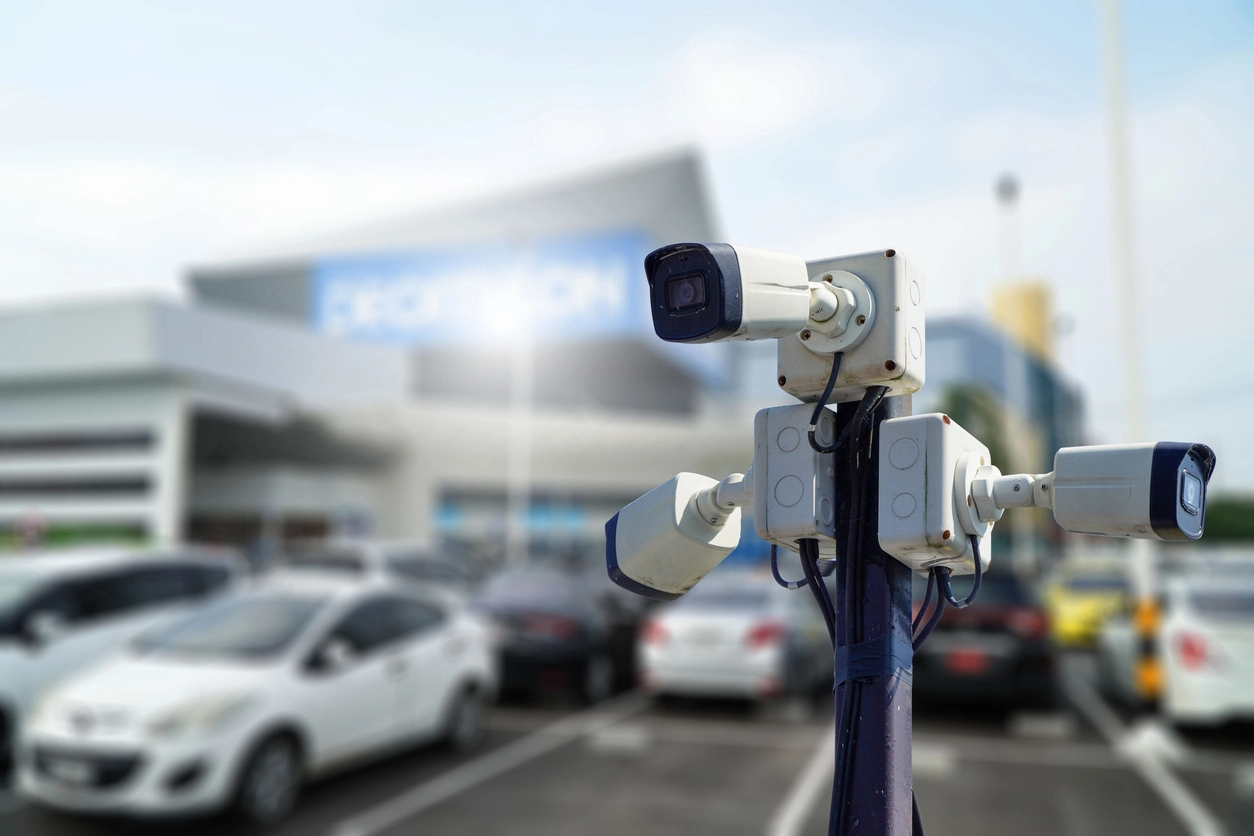
Parking Lots
Monitor vehicle activity, pedestrian movement, entrances, exits, and after-hours events in exposed parking areas.
Outdoor Security Camera Protection
Camera Security Now helps businesses choose weatherproof security cameras for outdoor areas exposed to rain, snow, heat, cold, dust, moisture, wind, and demanding commercial conditions.
Outdoor cameras face conditions that indoor cameras are not built to handle. Rain, snow, ice, dust, humidity, wind, direct sunlight, temperature swings, and debris can all shorten the life of a camera if the equipment is not selected for the environment.
Weatherproof security cameras and camera housings help protect surveillance equipment from outdoor exposure while continuing to capture footage around building exteriors, parking lots, gates, yards, loading docks, entrances, and other exterior areas.
Camera Security Now helps businesses evaluate weatherproof cameras based on the environment, camera location, IP rating, temperature range, mounting hardware, cabling, lighting, and recording needs.
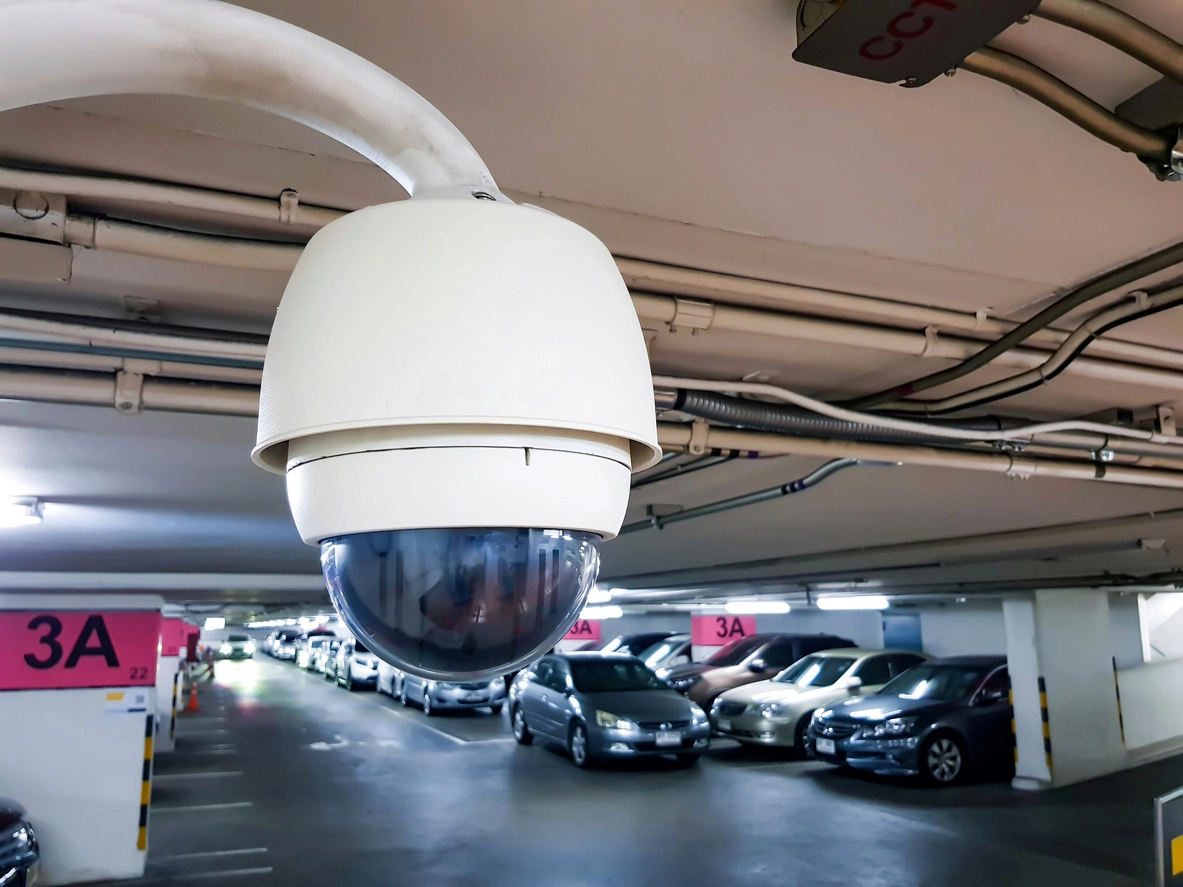
Weatherproof cameras help keep outdoor surveillance systems operating when the environment is harder on equipment.
Protect cameras from rain, snow, moisture, dust, wind, direct sunlight, and changing outdoor conditions.
Monitor parking lots, entrances, gates, loading docks, yards, exterior walls, drive lanes, and outdoor work areas.
Using camera equipment designed for the environment can reduce avoidable failures, service calls, and replacement costs.
Weatherproof security cameras are used anywhere surveillance equipment may be exposed to outdoor or harsh environmental conditions.
Monitor vehicle activity, pedestrian movement, entrances, exits, and after-hours events in exposed parking areas.
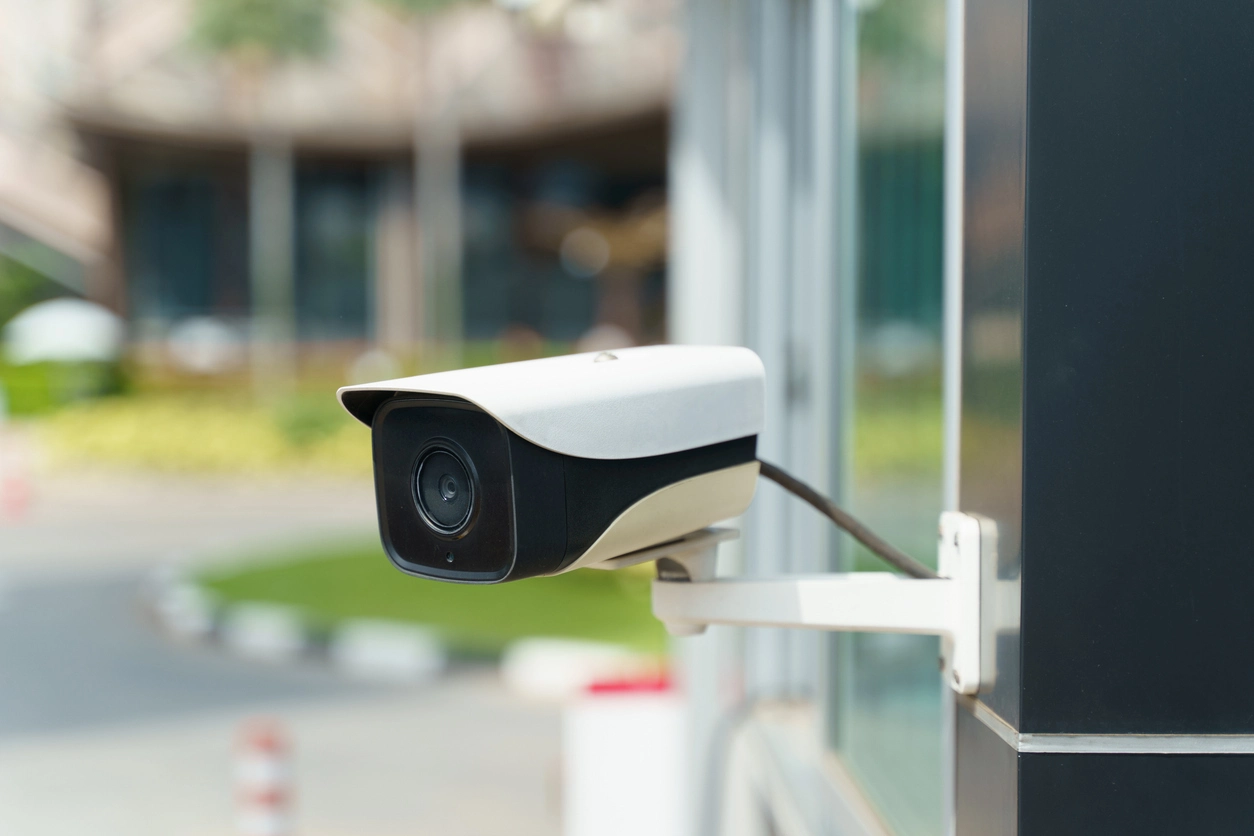
Protect camera coverage around exterior doors, storefronts, employee entrances, vestibules, gates, and visitor access points.
Use outdoor-rated cameras around dock doors, trailer areas, shipping lanes, fenced yards, and exterior warehouse activity.
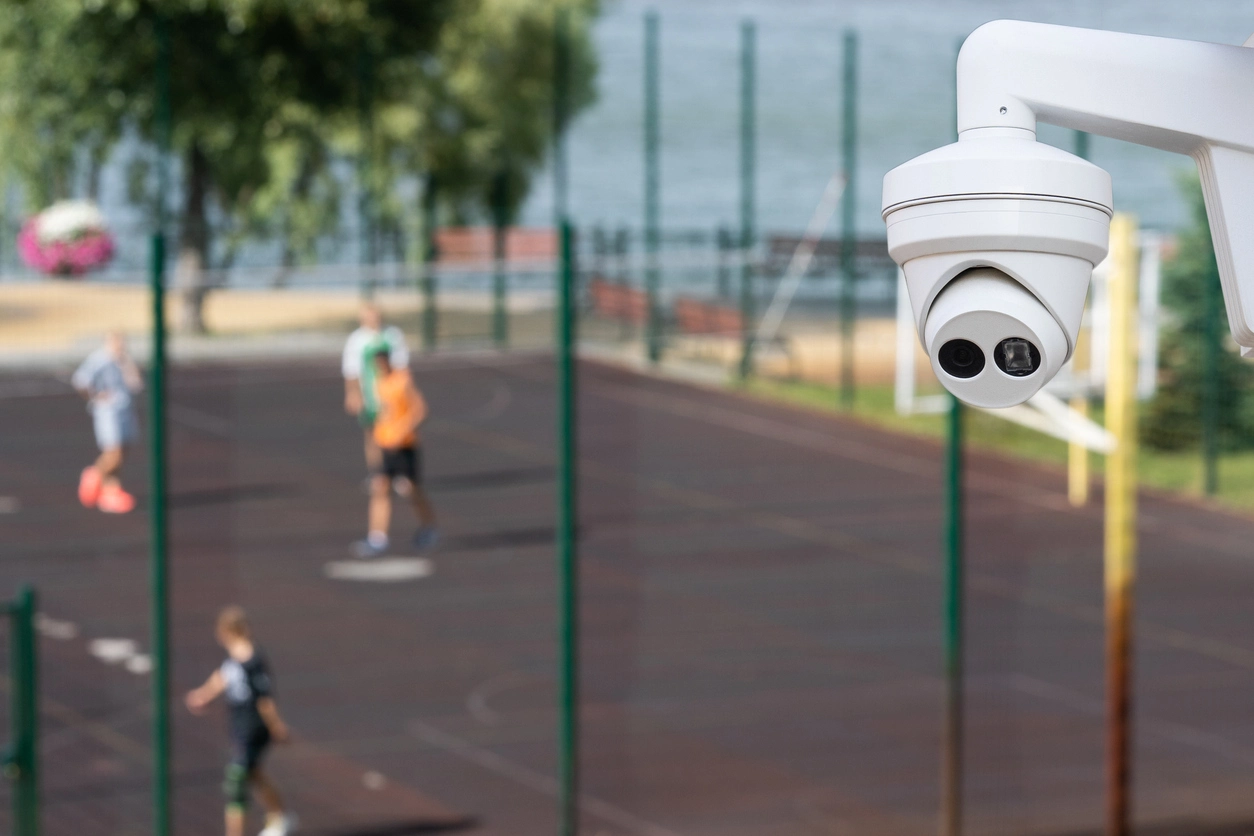
Support exterior monitoring around campus entrances, playgrounds, athletic areas, parking lots, walkways, and multi-building properties.
Planning Considerations
A covered entrance, open parking lot, dusty warehouse yard, and coastal facility may all require different camera protection.
Weatherproof camera selection should account for more than whether the camera is installed outdoors. Moisture, dust, salt air, direct sun, freezing temperatures, heat, wind, and exposure level can all affect what camera or housing makes sense.
The right design may also include sealed connections, outdoor-rated cable, surge protection, proper junction boxes, corrosion-resistant mounting hardware, heater or blower options, and careful placement to reduce glare or water exposure.
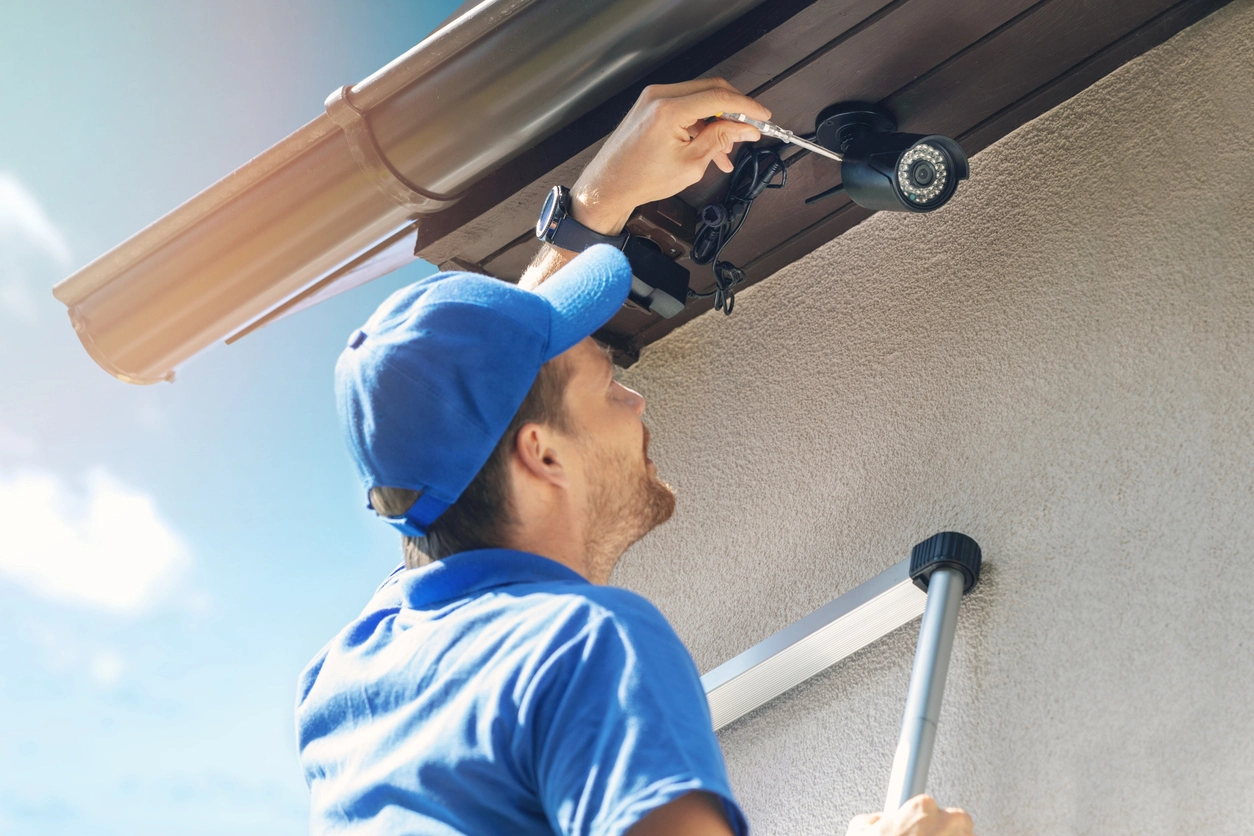
Outdoor camera planning should account for environmental ratings, lighting, mounting height, cabling, temperature, visibility, and maintenance access.
Select cameras or housings with appropriate dust, water, and environmental protection for the installation location.
Outdoor cameras may need low-temperature, high-temperature, heater, blower, or sun-shield options depending on climate.
Weatherproof performance depends on the full installation, including cable entries, junction boxes, mounts, and sealed connections.
Sun glare, headlights, shadows, rain, snow, and nighttime lighting can all affect the usefulness of outdoor footage.
Weatherproof cameras often work alongside vandal proof cameras, infrared cameras, full color night cameras, PoE systems, and storage planning.
Weatherproof security cameras help businesses protect surveillance coverage in outdoor environments where standard indoor cameras may fail.
Outdoor camera systems need equipment that can handle the environment. A camera installed under a covered entrance may face different conditions than one mounted on a pole in a parking lot, on a loading dock, near a coastal facility, or in a dusty industrial yard.
Weatherproof cameras are commonly used around parking lots, entrances, schools, warehouses, yards, loading docks, retail exteriors, government buildings, and commercial properties where surveillance coverage must continue through changing weather.
Camera Security Now helps businesses compare outdoor camera ratings, weatherproof housings, vandal-resistant options, infrared support, full color night visibility, PoE installation, and recorder requirements so the system fits the environment instead of failing prematurely.
Get answers to common questions about this security camera solution.
Weatherproof security cameras are designed for outdoor or harsh environments where cameras may be exposed to rain, snow, dust, wind, moisture, heat, cold, or other environmental conditions.
An IP rating describes how well a camera enclosure resists dust and water intrusion. Outdoor cameras commonly use IP-rated housings to help protect against weather and environmental exposure.
Yes, but cold-weather installations may require cameras or housings rated for low temperatures, heaters, proper seals, weatherproof cabling, and mounting hardware suitable for the environment.
Not always. Weatherproof ratings and vandal-resistant ratings refer to different kinds of protection. Some cameras offer both weatherproof and vandal-resistant features, but buyers should review both ratings before selecting equipment.
Tell us where the cameras will be installed and what weather conditions they need to handle. We’ll help you choose the right outdoor camera options.