

Building Entrances
Record activity when customers, visitors, employees, vendors, or unauthorized individuals approach doors and access points.
Smarter Security Camera Recording
Camera Security Now helps businesses use motion activated security cameras to record important activity, reduce unnecessary stored video, and extend surveillance footage retention.
A security camera system does not always need to save every second of video from every camera. In many areas, long stretches of footage show nothing changing. Motion activation helps the system focus storage on moments when activity is detected.
Motion activated security cameras can watch continuously while only saving video when movement appears in the camera’s field of view or within selected detection areas. This can make recorded footage easier to search and can dramatically improve how long video remains available.
Camera Security Now helps businesses evaluate motion recording settings for entrances, parking lots, warehouses, offices, schools, yards, loading docks, and other areas where activity-based recording can make footage more useful.
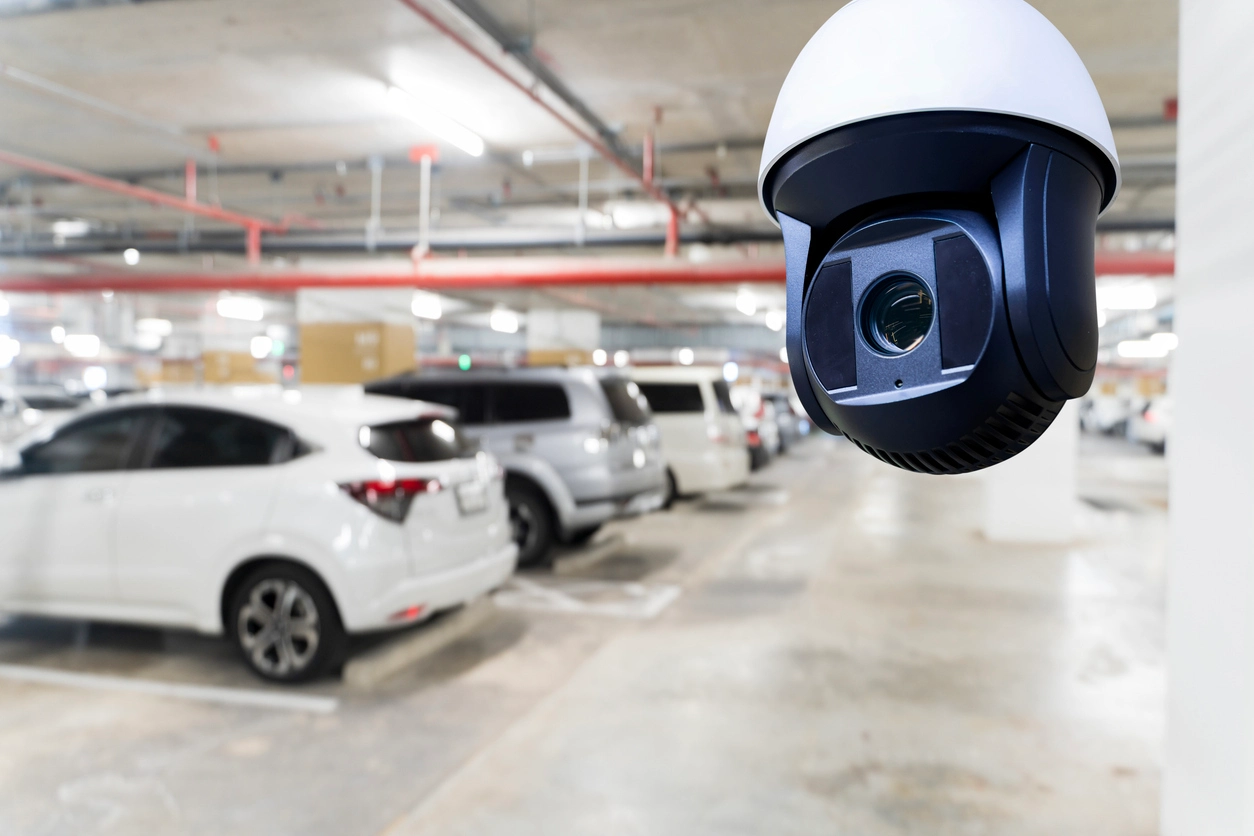
Motion activation helps make surveillance systems more efficient by recording the activity your team is most likely to review later.
Recording on motion can reduce unnecessary saved footage, allowing the system to retain useful video for a longer period.
Event-based footage can make it easier to find activity instead of searching through hours of empty video.
Motion activated recording helps businesses use hard drive space more strategically, especially in lower-traffic areas.
Motion activation is useful in areas where activity matters but constant recording may not be necessary.
Record activity when customers, visitors, employees, vendors, or unauthorized individuals approach doors and access points.

Capture movement around inventory, shipping zones, storage aisles, supply rooms, and restricted warehouse areas.
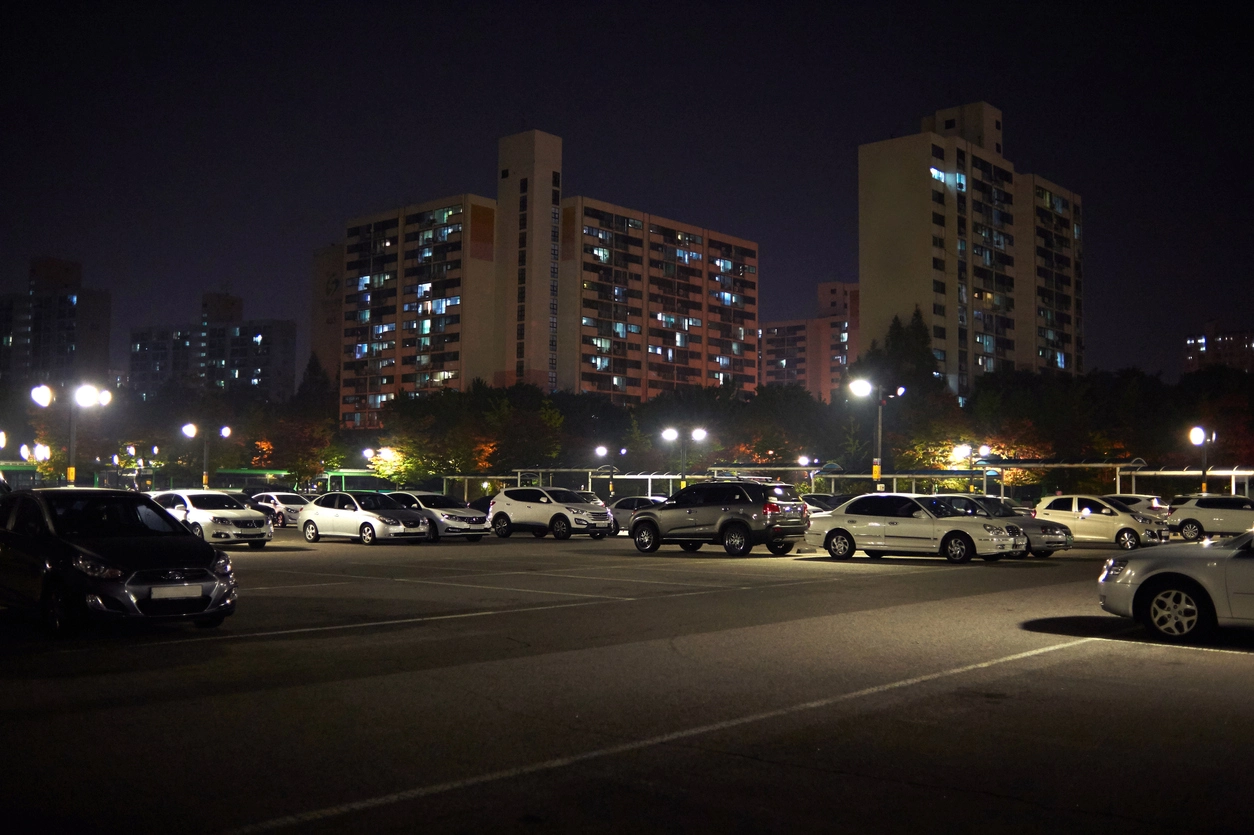
Use event-based recording around parking spaces, exterior doors, fenced yards, gates, and after-hours activity areas.

Reduce unnecessary stored footage in hallways, office areas, break rooms, lobbies, and other spaces with predictable activity patterns.
Planning Considerations
The biggest advantage of motion activation is often video retention.
Continuous recording can quickly fill hard drives, especially with high-resolution cameras. A system recording 24/7 may only retain footage for a few weeks depending on the camera count, resolution, frame rate, compression, and storage size.
When a system records only when motion is detected, the same storage capacity may keep footage much longer. For businesses that need to review incidents days or weeks after they happen, motion activation can be a practical way to extend retention without immediately adding more storage.

Motion activated recording works best when detection zones, sensitivity, camera placement, and storage settings are configured for the environment.
Selected zones can help the camera focus on doors, aisles, counters, gates, or other important movement areas.
Sensitivity should be adjusted so the system captures meaningful activity without triggering constantly from minor motion.
Trees, shadows, rain, headlights, reflections, and busy backgrounds can create motion events if the system is not configured carefully.
Motion recording should be planned around how long your business needs footage available for review.
Motion activation often works alongside privacy masking, NVR storage, remote access, and nighttime camera features.
Motion activated security cameras help businesses reduce wasted recording while preserving the activity that is most likely to matter during incident review.
Many commercial camera systems are set to record continuously, but that is not always the most efficient approach. In low-traffic areas, continuous recording can fill hard drives with hours of empty footage. Motion activated recording helps the system focus storage on moments when people, vehicles, or activity appear.
This can be especially valuable for businesses that need longer retention without oversizing the storage system. When motion recording is planned correctly, footage from entrances, warehouses, parking lots, storage rooms, offices, and after-hours areas may remain available longer than it would under 24/7 recording.
Camera Security Now helps organizations compare motion activation, continuous recording, scheduled recording, detection zones, NVR storage, and camera placement so the system captures the right footage without wasting storage capacity.
Get answers to common questions about this security camera solution.
Motion activated security cameras are cameras or recording systems configured to save video when motion is detected in the camera view or within a selected detection area.
They can often be configured for motion-based recording, continuous recording, or a combination of both. Many businesses use motion activation to reduce unnecessary stored footage and extend video retention.
Yes. Recording only when motion is detected can reduce the amount of saved video, which may allow the system to keep footage for a longer period compared with continuous 24/7 recording.
Many camera systems allow users to select motion detection zones so the system focuses on important areas and ignores movement from less important sections of the camera view.
Tell us how long you need to keep footage and which areas need motion-based recording. We’ll help you plan a system that records efficiently.