

Parking Lots and Pole Cameras
Connect cameras mounted on parking lot poles, light poles, or remote exterior structures back to the main recording system.
Wireless Camera Connectivity
Camera Security Now helps businesses plan wireless security camera networks for remote buildings, parking lots, campuses, yards, poles, and other areas where running cable is difficult or expensive.
Many commercial properties need cameras in places that are difficult to reach with traditional cabling. A remote building, parking lot pole, storage yard, gate, athletic field, or detached facility may be too far from the main network for a simple cable run.
Wireless security camera networks can use dedicated wireless bridges to connect remote cameras or network equipment back to the recording system. This can help avoid expensive trenching, conduit work, or long cable paths when a clear wireless path is available.
Camera Security Now helps businesses evaluate wireless camera network options for schools, warehouses, campuses, parking lots, vehicle yards, construction sites, industrial properties, and multi-building facilities.
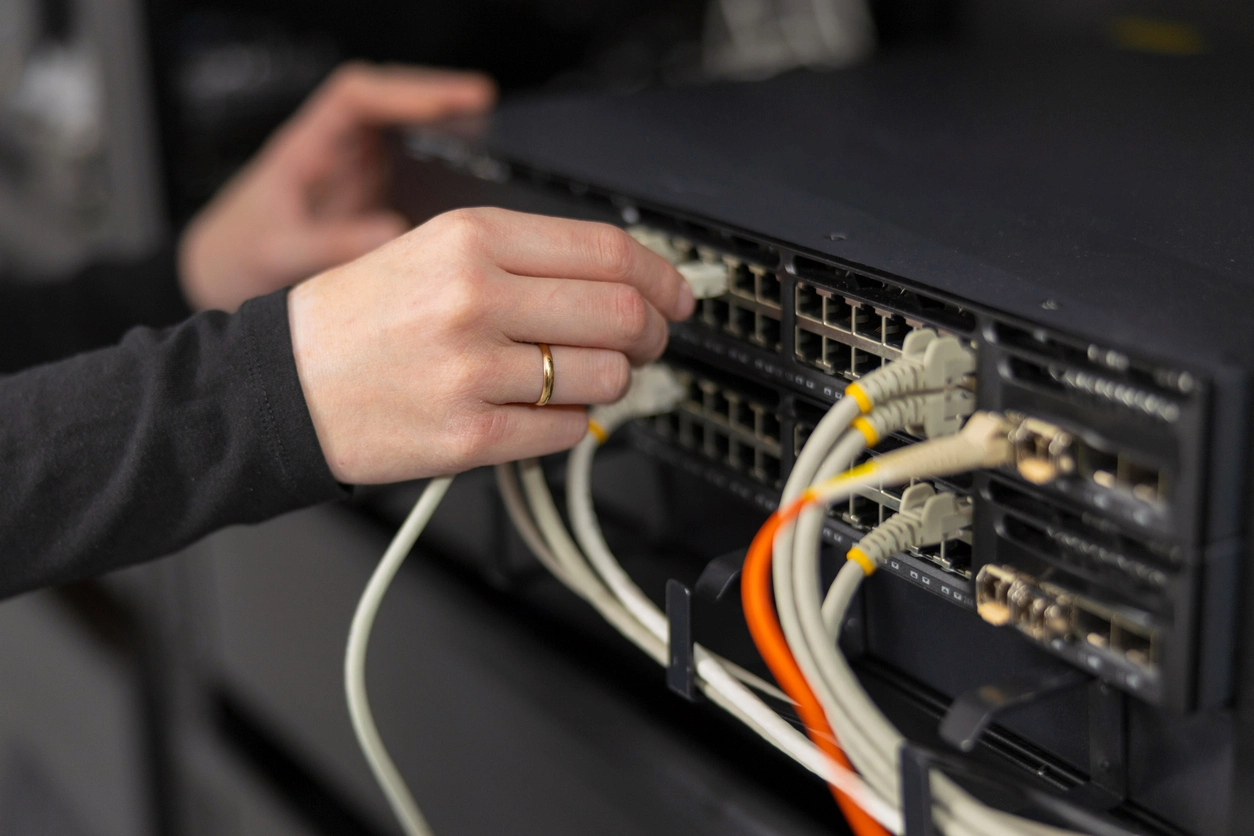
Wireless networks can solve camera connectivity problems when physical cabling is difficult, disruptive, or cost-prohibitive.
Wireless bridges may connect cameras across parking lots, roads, yards, or open areas without digging new cable paths.
Link detached buildings, maintenance facilities, guard shacks, warehouses, athletic areas, and remote offices to the main camera system.
Add cameras where coverage is needed most, not only where existing network cable is already available.
Wireless camera networks are useful when cameras need to cover separate structures, exterior areas, or remote parts of a property.
Connect cameras mounted on parking lot poles, light poles, or remote exterior structures back to the main recording system.

Link cameras from separate offices, maintenance buildings, garages, warehouses, storage buildings, and outbuildings.

Extend camera coverage to athletic fields, parking areas, exterior walkways, remote entrances, and multi-building campus locations.

Connect cameras in fenced yards, vehicle lots, gates, remote equipment areas, construction sites, and industrial properties.
Planning Considerations
Wireless can reduce cabling challenges, but the system still depends on line of sight, bandwidth, power, and proper equipment selection.
Commercial wireless camera systems are not simply plug-and-play Wi-Fi cameras scattered across a property. A dependable wireless design may require point-to-point bridges, directional antennas, proper mounting height, surge protection, weatherproof enclosures, network switches, and reliable power at remote locations.
Line of sight is especially important. Buildings, trees, vehicles, terrain, metal structures, and distance can affect signal strength and reliability. Camera Security Now can help evaluate whether wireless is appropriate or whether fiber, copper, or another network approach makes more sense.

Wireless surveillance networking should account for distance, line of sight, bandwidth, camera count, weather exposure, power, and recorder connectivity.
Wireless links perform best when antennas have a clear path without buildings, trees, terrain, vehicles, or other obstructions.
High-resolution cameras and multiple remote cameras require enough wireless bandwidth to transmit reliable video back to the recorder.
Wireless removes the need for a data cable across the full distance, but cameras and radios still require power.
Outdoor wireless equipment should be installed with weatherproof enclosures, proper mounting hardware, surge protection, and service access.
Wireless camera networks often work alongside PoE cameras, weatherproof cameras, NVR systems, remote access, and centralized management.
Wireless security camera networks help businesses extend surveillance coverage to areas where running cable is difficult, expensive, or disruptive.
Many properties have camera coverage needs that do not line up neatly with existing network cabling. Parking lot poles, remote gates, detached buildings, outdoor yards, athletic fields, construction sites, and multi-building campuses can all create connectivity challenges.
A commercial wireless camera network can use dedicated wireless bridges to move video data from remote cameras back to the main network or recorder. This can reduce trenching costs and make camera placement more practical, but it must be designed around line of sight, distance, bandwidth, power, and environmental conditions.
Camera Security Now helps organizations compare wireless camera networks, PoE systems, NVR recording, weatherproof equipment, remote access, and centralized management so the surveillance system reaches the places where coverage is actually needed.
Get answers to common questions about this security camera solution.
A wireless security camera network uses wireless links, such as point-to-point or point-to-multipoint bridges, to connect cameras or remote network equipment without running data cable the full distance back to the recorder or main network.
Not always. Commercial wireless camera networks often use dedicated wireless bridges between buildings, poles, or remote locations rather than relying on consumer-style Wi-Fi cameras.
Yes. Wireless usually refers to the data connection. Cameras, radios, switches, and network equipment still need a reliable power source at each camera or remote equipment location.
Wireless camera networks are useful for parking lots, remote buildings, yards, campuses, construction sites, warehouses, farms, vehicle lots, and properties where trenching cable is difficult or expensive.
Tell us what buildings, poles, yards, gates, or parking areas need coverage. We’ll help you evaluate whether a wireless camera network is the right fit.